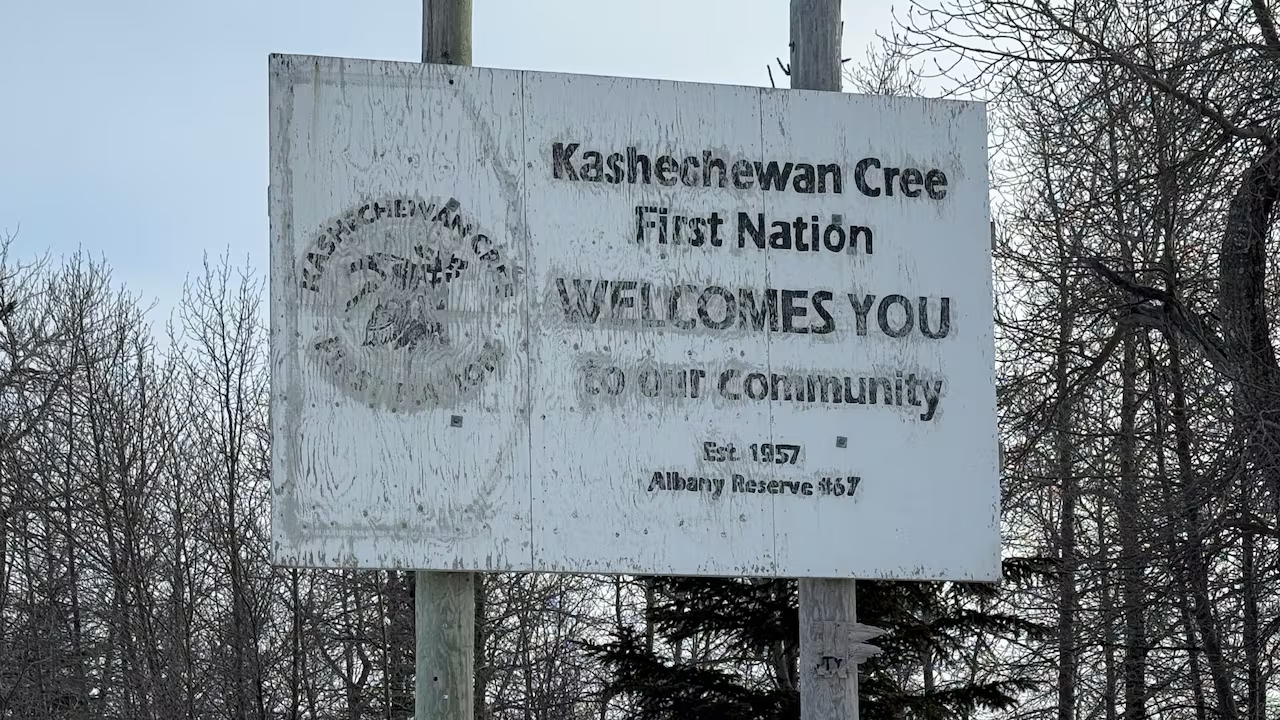
In Kashechewan First Nation, 19 individuals have tested positive for cryptosporidium, a parasite causing gastrointestinal symptoms like diarrhea and stomach pain. While the illness often resolves with rest and hydration, antimicrobial treatment may be necessary for vulnerable groups.
Investigation Underway for Cryptosporidium Source
Indigenous Services Canada, in collaboration with Ontario public health, is investigating the source of the contamination. Cryptosporidium can spread through contaminated water, soil, or feces.
Water Treatment Issues and State of Emergency Declared
Kashechewan Chief Hosea Wesley declared a state of emergency on January 4 after the local water treatment plant stopped working. Evacuations are ongoing as officials await testing results to confirm water safety.
Historical Water Issues and Community Concerns
Nineteen people in Kashechewan First Nation, a remote community in northern Ontario, have tested positive for cryptosporidium, a parasite that causes gastrointestinal issues. The parasite typically results in symptoms like diarrhea, stomach pain, and nausea. While the illness usually resolves on its own with rest and proper hydration, more vulnerable individuals, such as infants, seniors, and those with weakened immune systems, may need antimicrobial treatment.
Investigation Underway for Cryptosporidium Source
Indigenous Services Canada, in collaboration with Ontario public health officials and the Northeastern Public Health Unit, is investigating the source of the cryptosporidium contamination. The parasite is often transmitted through contaminated food or water, and officials are working to determine how it spread within the community. Tyson Wesley, Kashechewan’s executive director, stated that multiple tests are still required to pinpoint the exact source.
Water Treatment Issues Lead to State of Emergency
The timing of the outbreak coincides with ongoing issues at the community’s water treatment plant. On January 4, Chief Hosea Wesley declared a state of emergency after the plant stopped working due to defective pumps. This has left the community without reliable access to clean drinking water, prompting evacuations. Repairs are underway, but officials are awaiting test results to confirm when the water will be safe for consumption again.
Historical Water Issues and Community Concerns
Kashechewan has a history of water contamination issues, including a major E. coli scare in 2005 that forced the community to address its aging infrastructure. Despite receiving $1.7 million for water treatment plant upgrades in 2025, the community faces challenges due to its remote location and ongoing discussions about potentially relocating to higher ground.