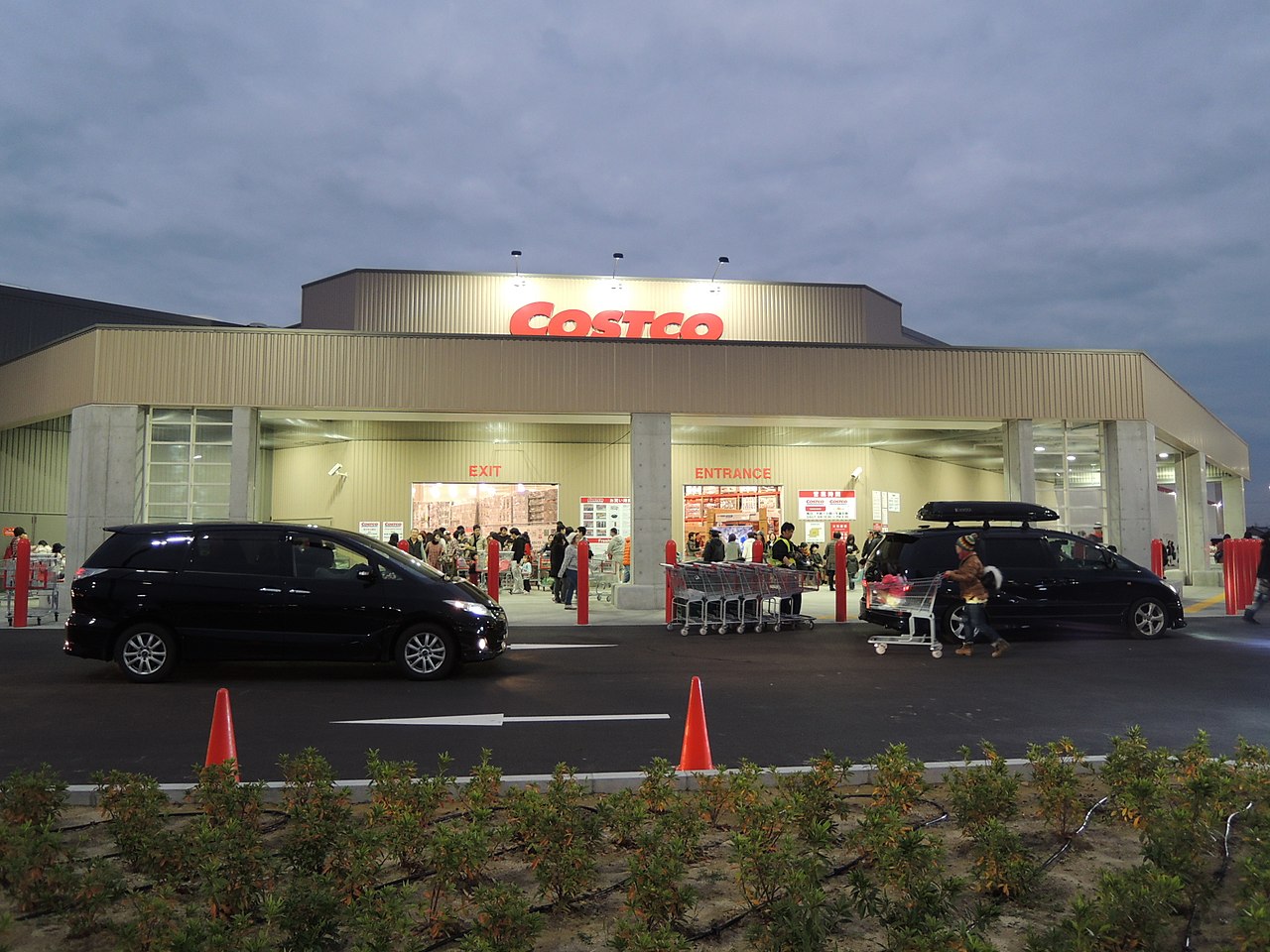
As of April 2025, Costco Canada continues to dominate the retail warehouse landscape with a total of 110 active stores spread across nine provinces and territories. The expansion underscores the brand’s growing influence among Canadian shoppers who rely on its bulk purchasing model, competitive pricing, and trusted Kirkland Signature line. The province with the most Costco locations is Ontario, which accounts for 41 stores—approximately 37% of all Costco outlets in the country. This provincial dominance is followed by Quebec with 24 warehouses and Alberta with 19, cementing Costco’s presence in Canada’s most populated regions.
Costco first entered Canada in 1986, opening its inaugural store in Montreal, Quebec, marking the beginning of what would become one of the country’s most successful retail ventures. Nearly four decades later, Costco has evolved into a household name for millions of Canadians. With over 15 million active memberships, the brand’s warehouse model continues to attract both individual and business customers, offering access to thousands of products at low margins.
The 2025 breakdown shows that Costco operates in 86 cities nationwide, reflecting its strategic focus on suburban and high-density markets. The brand’s distribution model also emphasizes accessibility, with most Canadian households living within a two-hour drive of a Costco location. Ontario’s leadership in store count is unsurprising given its large population base and growing suburban communities like Vaughan, Mississauga, and Ottawa. Each of these areas supports multiple warehouses, serving hundreds of thousands of members each week.
Provincial Breakdown of Costco Stores in Canada (2025)
Ontario leads with 41 warehouses serving a population of about 14.45 million, averaging one Costco per 352,000 people. Quebec follows with 24 stores serving 8.43 million residents, or roughly one store per 351,000 people. Alberta’s 19 locations reflect a store density of one for every 228,000 people, the highest accessibility rate in the country. British Columbia has 14 warehouses, covering a growing population of over five million, while the prairie provinces—Manitoba, Saskatchewan, and New Brunswick—each maintain three stores. Nova Scotia operates two warehouses, and Newfoundland and Labrador has one. Despite the brand’s wide reach, Nunavut, Yukon, Prince Edward Island, and the Northwest Territories remain without Costco presence due to low population density and logistical challenges.
Cities with the Most Costco Stores in Canada (2025)
Urban centers continue to host multiple Costco locations, with Edmonton leading at five warehouses and Calgary close behind with four. The Greater Toronto Area is also a significant market, home to three Costco stores in Mississauga and two each in Markham, Woodbridge, and Nepean. Winnipeg supports three stores, while mid-sized cities like Saskatoon, Oshawa, and Anjou each host two. This concentration illustrates Costco’s emphasis on serving both high-income and growing suburban populations, where vehicle access and bulk buying are common household habits.
Canadian Market Outlook and Growth Strategy
Costco’s sustained growth in Canada reflects its ability to adapt to evolving consumer preferences. Canadians have become increasingly reliant on bulk purchasing to combat inflation and reduce household costs. Costco’s strategy of offering premium private-label products through Kirkland Signature has strengthened its competitive edge. In 2025, Kirkland products accounted for nearly one-third of Costco Canada’s total sales, covering everything from organic foods and wine to batteries and home essentials.
Beyond product diversity, Costco’s Canadian success stems from its efficient supply chain and loyalty-driven model. Membership renewal rates remain above 90%, with the Executive tier continuing to grow due to cashback incentives. In addition, Costco’s online shopping platform, Costco.ca, has expanded its digital footprint, offering home delivery and click-and-collect options in major cities. The retailer’s collaboration with Instacart and Shipt for grocery delivery has increased its accessibility in both metropolitan and suburban areas.
Economic and Employment Impact
Costco Canada employs more than 45,000 workers, making it one of the country’s largest private retail employers. The company’s wages and benefits consistently rank above the industry average, contributing to its strong reputation as a fair employer. With each new warehouse, Costco generates hundreds of full-time and part-time jobs, supporting local economies while maintaining the company’s lean, customer-first culture.
Future Expansion Plans
Costco’s expansion in 2025 includes new warehouse projects in Vaughan, Ontario, and Langford, British Columbia, reflecting its continued investment in Canada’s urban and suburban markets. The company has also hinted at exploring potential entry into Prince Edward Island and Yukon, although no construction timelines have been announced. With stable revenue growth and loyal membership, Canada remains Costco’s most profitable market outside the United States.
Conclusion
The presence of 110 Costco stores across nine provinces reaffirms the brand’s position as a cornerstone of Canadian retail. Its blend of low prices, membership value, and consistent quality has created a loyal consumer base that spans generations. As Costco continues to expand strategically, it is poised to maintain its reputation as Canada’s most trusted warehouse retailer for years to come.
Credit: This article was written and compiled by Bizmart Canada to provide an updated overview of Costco’s operations and store distribution across the country.