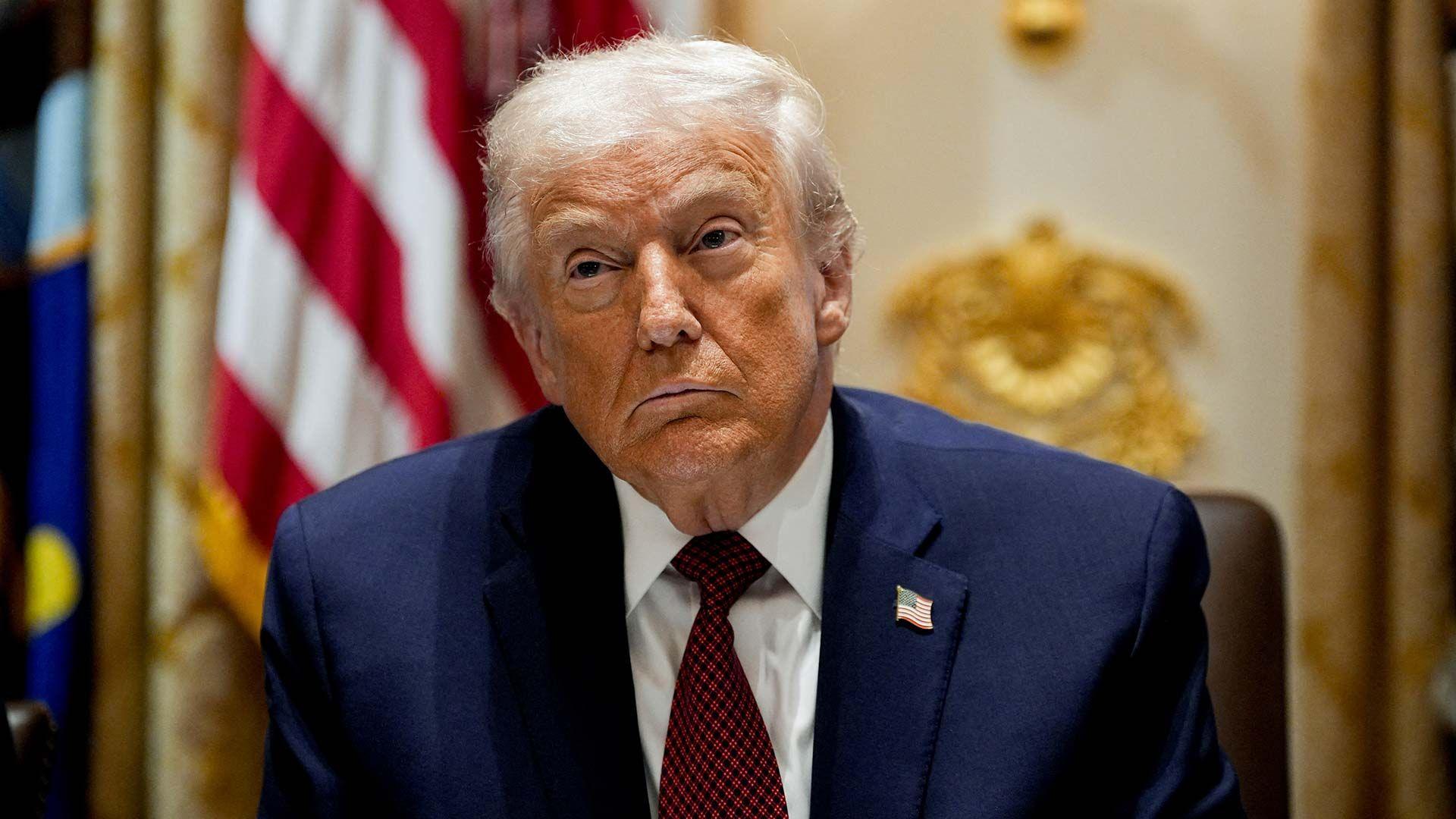
President Donald Trump told a campaign-style rally in Pennsylvania that consumer prices are falling “tremendously,” as he tried to ease voter worries about the Trump cost of living claims. Speaking at a casino in a key battleground district, he declared, “I have no higher priority than making America affordable again.”
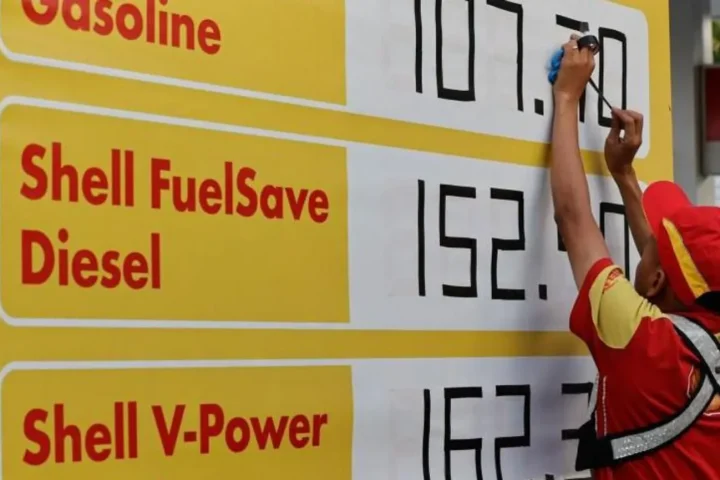
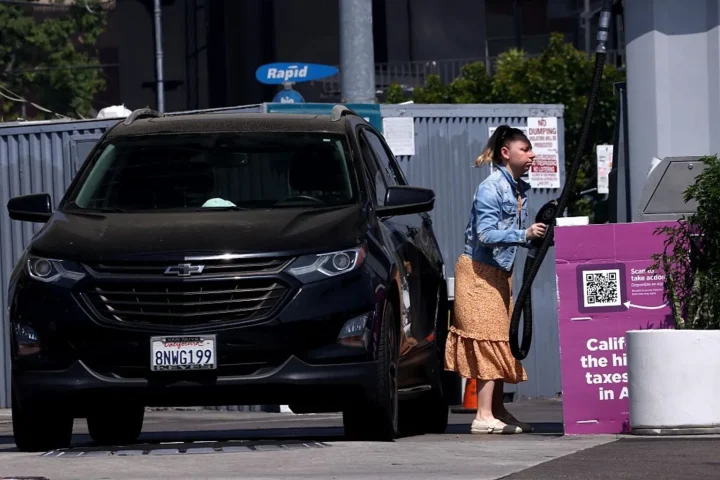
Yet the economic reality remains mixed. While gas and egg prices have dropped, costs for housing, childcare, healthcare, and many groceries continue to strain household budgets. In fact, overall prices have risen 25% over the past five years—even as wages grew.
Moreover, inflation stood at 3% as of September—well above the Federal Reserve’s 2% target. Although this is far lower than the 9.1% peak under President Biden, it still means prices are rising, not falling. Trump’s statement confuses disinflation (slower price increases) with actual deflation (falling prices).
At the rally, Trump again dismissed affordability concerns as a Democratic “hoax.” His administration blames Biden-era policies and Federal Reserve interest rates for lingering economic pain. The Fed has cut rates twice this year to about 3.9%, and markets expect another cut soon.
To counter criticism, the White House has rolled out symbolic measures. These include removing tariffs on dozens of food items, loosening fuel efficiency rules, and promoting Trump-branded retirement accounts for children. In a Politico interview excerpt released Tuesday, Trump gave the economy an “A plus-plus-plus-plus-plus.”
His messaging may be gaining some traction. A new Reuters/Ipsos poll shows his approval rating rose three points to 41%. However, many Americans remain pessimistic.
For example, Alaina Hunt, 37, lost her design job in Oklahoma City in April—partly due to Trump’s steel and aluminum tariffs, which hurt the construction sector. She has applied to over 75 jobs with no success. Her grocery bills now run $25 more per week. “I was able to scrape by a lot easier in years before,” she said. “I don’t think the federal government is listening at all.”
Similarly, Beth Richardson, 45, from Kansas, was stunned to see a pack of Mentos cost nearly $5 with tax. Laid off in late 2023 after her tech firm moved jobs overseas, she voted for Kamala Harris in 2024. “Trump and his policies, like tariffs, are shooting ourselves in the foot,” she said.
Still, some supporters stand by the president. John Mohring, 60, a construction worker from Wisconsin, spends $100 on groceries weekly—even skipping meat. “Prices started rising before Trump came back,” he noted, “and it doesn’t seem like it’s going down.” Yet he gives Trump “the benefit of the doubt,” backing his tariffs and border policies.
Brad Smith, a soybean farmer in Illinois, faced losses when China halted U.S. purchases earlier this year. But after a late-October trade deal, exports began recovering. Trump recently announced a $12 billion aid package for farmers like him. “There’s probably bigger things at play,” Smith said. “The whole America First idea is good.”
Meanwhile, economic indicators send conflicting signals. Consumer confidence hit a spring low in November, yet the stock market hovers near record highs. Forecasters expect 1.9% GDP growth this year—slower than 2024’s 2.8%, but stronger than expected.
Democrats have seized on economic anxiety, winning recent local races by highlighting housing and healthcare costs. Many Republicans now worry about next year’s midterms.
Ultimately, the Trump cost of living claims may resonate with loyal voters—but for millions of Americans facing higher bills and job insecurity, relief still feels out of reach.
READ: Canadian Author and Instagram Star Duncan Kiige Embroiled in Costco Shoplifting Scandal