Alberta, Canada’s oil-rich province, is witnessing a growing movement pushing for independence from the rest of the country. Known for its vast oil reserves, rugged landscapes, and a deeply ingrained spirit of self-reliance, Alberta’s residents have long felt disconnected from the federal government in Ottawa. The province has traditionally leaned conservative, favoring policies that promote the oil and gas industry, and increasingly resentful of federal regulations they perceive as detrimental to their economy and way of life.
In recent months, the push for an Alberta independence referendum has gained significant traction, with proponents arguing that the province would be better off charting its own course without federal interference. As Alberta’s Premier, Danielle Smith, faces growing separatist sentiment, the province is on the cusp of a political turning point that could redefine its future within Canada.
Alberta’s Struggle with Federal Policies
Alberta’s discontent with the federal government has been simmering for years, but the 2025 federal election results and policies under Prime Minister Mark Carney have fueled the flames of separation. The province, which heavily relies on oil and gas, has long felt that Ottawa’s policies favor the interests of larger, more populous provinces like Ontario and Quebec, while marginalizing the economic needs of resource-rich Alberta.
The election of Prime Minister Mark Carney and the re-election of the Liberal Party in April 2025, after a decade in power, acted as a catalyst for separatist sentiments in the province. Alberta’s Conservative Party, which has dominated the province’s politics for years, argues that federal policies—such as environmental regulations and carbon taxes—undermine Alberta’s economic interests, particularly its oil and gas sector.
Support for Alberta’s independence is particularly strong in the wake of Carney’s re-election, with polls showing that up to one-third of Albertans now support the idea of separation. This is a sharp increase from previous years, indicating a shift in public opinion. Premier Danielle Smith, leader of Alberta’s United Conservative Party, has spoken out against Ottawa’s policies, calling for more provincial autonomy in areas like resource management and economic policy.
The Roots of Alberta’s Independence Movement
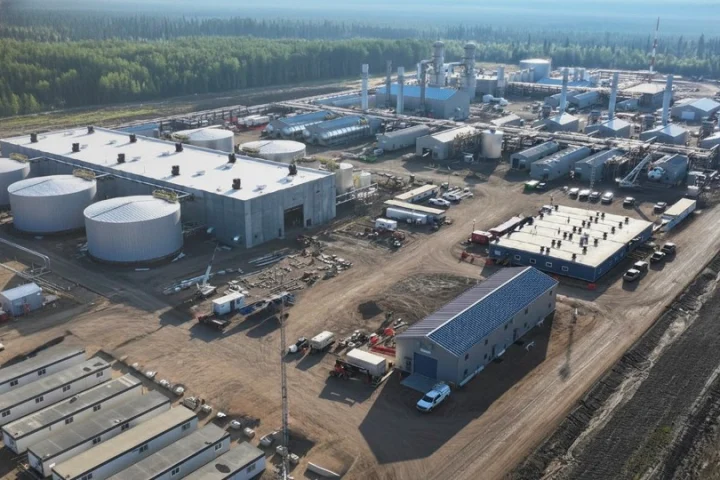
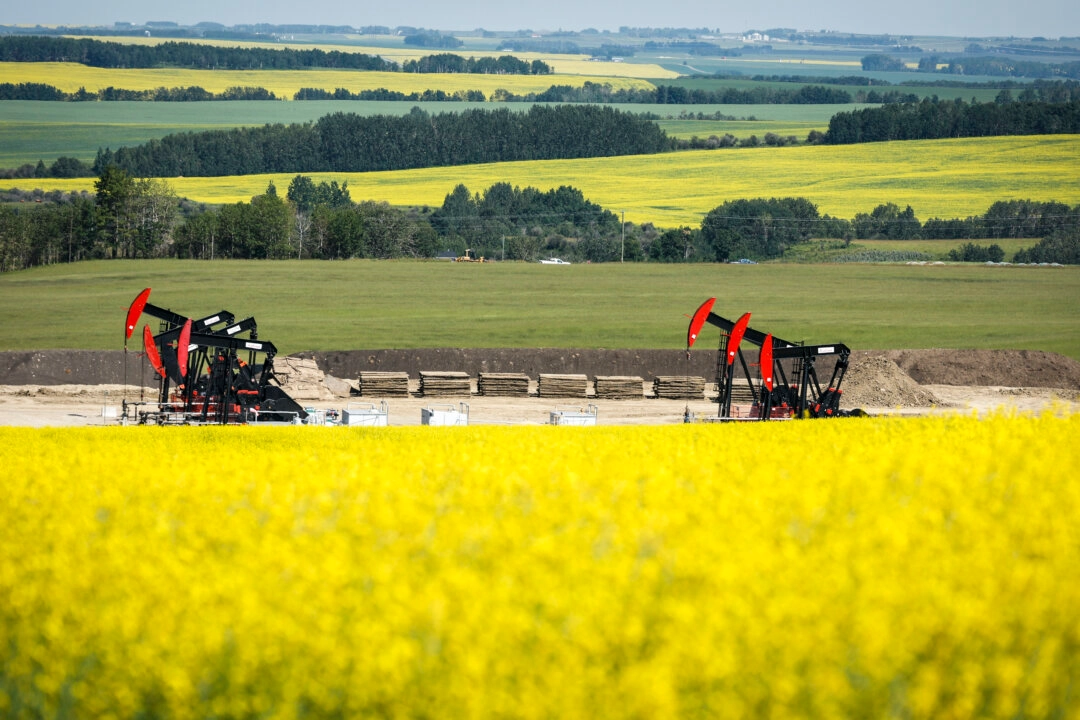
The roots of Alberta’s independence movement are deeply intertwined with the province’s identity. Known for its oil rigs, cattle runs, and endless prairies, Alberta has long prided itself on its resilience and self-sufficiency. Residents often compare themselves to Texas—another oil-rich region with a history of separatist sentiment. Alberta’s economy is heavily reliant on its oil and gas industries, making it the financial powerhouse of Canada’s energy sector.
Yet despite its economic contribution, many Albertans feel that their province is being unfairly treated by the federal government. For example, Alberta contributes significantly to Canada’s equalization payments—a system designed to reduce fiscal disparities between provinces. However, many feel that the money Alberta contributes to the federal government doesn’t benefit the province in return. Alberta has long argued that it receives little in the way of support for the resources it provides, creating a sense of frustration among its citizens.
Earl Scott, a local rancher in central Alberta, voiced his frustration in Didsbury, a town deeply rooted in Alberta’s history. He believes that Alberta contributes more than its fair share to the country’s finances but receives very little in return. “We’re always at the back end,” he said. “The east is the one that separates us.”
These sentiments are echoed by many in the province, as residents feel that federal policies, particularly those imposed under the leadership of former Prime Minister Justin Trudeau and now Mark Carney, have hindered Alberta’s growth. The long-standing tensions over issues like resource development, taxation, and environmental regulations have fueled calls for greater autonomy, or even full independence.
The Growing Push for a Referendum
In 2025, the provincial government introduced legislation to lower the threshold for initiating a public vote on independence, reducing the number of signatures required to call for a referendum to 177,000. This move came as a direct response to growing separatist sentiment, particularly following the 2025 federal election.
The Alberta Prosperity Project (APP), a pro-independence group, quickly filed an application with Elections Alberta to approve the wording of a referendum question. The proposed question—“Do you agree that the Province of Alberta should cease to be part of Canada to become an independent state?”—is the focal point of the province’s independence movement. The group aims to gather enough signatures to qualify the question for a referendum, with a deadline set for May 2, 2026.
The passage of new laws allowing for this referendum has sparked a legal battle, with some arguing that the separation of a province is unconstitutional. A judge recently ruled that the question violated the Canadian Charter of Rights and Freedoms and First Nations treaty rights, but the provincial government pushed back, calling the ruling an interference with the democratic process.
Despite the legal setbacks, the Alberta government remains committed to the cause, arguing that the decision should ultimately rest in the hands of the people of Alberta.
Is Separation from Canada Feasible?
While the idea of Alberta separating from Canada may seem radical, it is legally possible under the country’s constitution. In fact, Quebec has previously held a referendum on independence in 1995, with the vote almost evenly split. The Quebec separation referendum led to a national crisis, resulting in a request for guidance from Canada’s Supreme Court.
The process of separation, however, would be complicated and lengthy. According to the Clarity Act of 1998, Alberta would need to pass a clear vote for independence, which would then require constitutional negotiations between the provincial government, the federal government, and the other provinces. A successful independence movement would require significant political will and cooperation from both federal and provincial officials, making it a challenging and uncertain process.
The Economic Impact of Separation
The economic implications of Alberta’s independence would be significant. Alberta is one of the wealthiest provinces in Canada, largely due to its vast natural resources, including oil, natural gas, and minerals. The province’s oil industry alone generates billions of dollars in revenue each year. However, Alberta’s dependence on the oil industry also makes it vulnerable to fluctuations in global oil prices and federal regulations.
As an independent nation, Alberta would need to establish its own economic policies, trade agreements, and currency. It would also need to manage its own defense, foreign relations, and immigration policies—responsibilities currently handled by the Canadian federal government. This would require considerable investments in infrastructure and government services, which would likely come at a high cost.
The energy sector, in particular, would face numerous challenges. Alberta’s economy is heavily tied to oil exports, particularly to the U.S. A separation from Canada would create barriers to trade and complicate Alberta’s relationships with its neighboring provinces and other countries. The potential loss of trade agreements and economic ties with Canada could have a negative impact on Alberta’s economy in the short term, despite the province’s natural wealth.
What’s Next for Alberta’s Independence Movement?
The coming months will be pivotal for Alberta’s independence movement. As the APP gathers signatures for the referendum, political tensions are likely to rise. Premier Danielle Smith has consistently advocated for more autonomy for Alberta within Canada, while maintaining that she does not want the province to separate. However, she acknowledges that the frustrations of Albertans need to be addressed through changes in federal policies.
For now, the future of Alberta’s relationship with Canada remains uncertain. As discussions about independence continue, the province faces a crossroads—whether to continue its path within Canada or pursue a more radical vision of sovereignty and self-reliance.
Alberta’s Path Forward
Alberta’s push for independence is not just about politics; it is about identity, economic control, and the desire for greater autonomy. With a growing number of Albertans supporting the idea of separation, the province is on the brink of a major political shift. Whether this movement will culminate in a referendum, and ultimately a successful push for independence, remains to be seen. For now, Alberta stands at a crossroads, and its future within or outside of Canada will continue to shape the national discourse in the years to come.