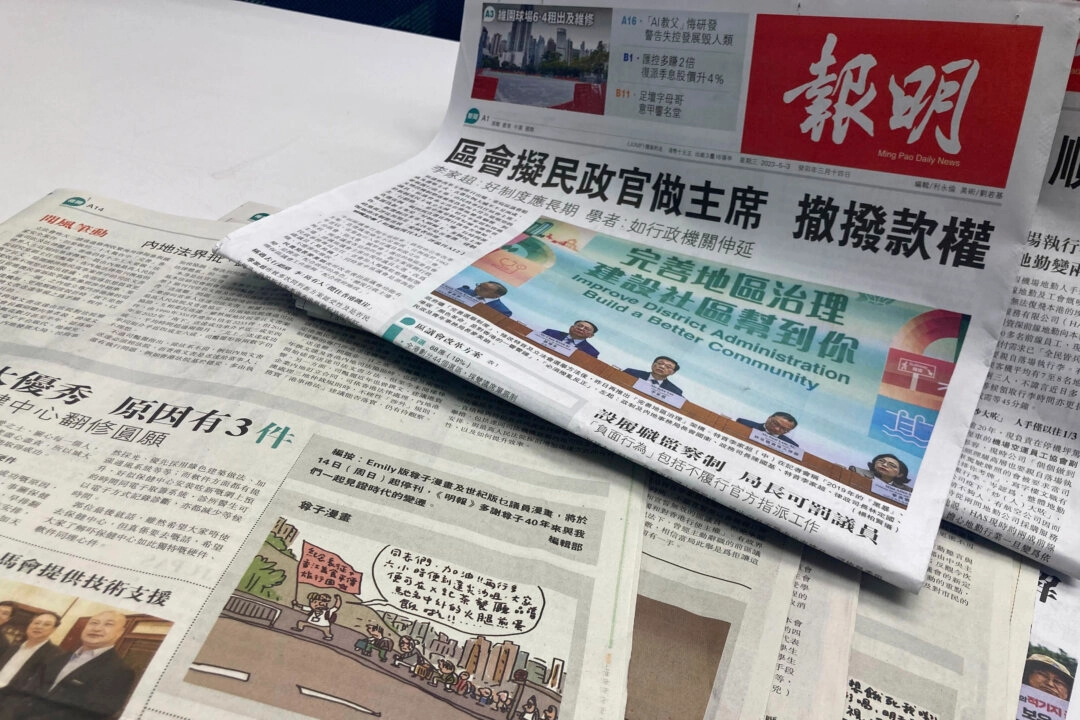
The Canadian editions of the Chinese-language newspaper Ming Pao will cease operations on January 16, 2026, marking the end of over three decades of service to the overseas Chinese community. The company is set to lay off more than 60 employees, with the final closures happening by January 31, 2026. This decision is part of a broader trend of Chinese-language media grappling with financial pressures and evolving business models in the digital age.
Financial Struggles and Staff Termination
Ming Pao Canada, which has had offices in both Toronto and Vancouver since its launch in 1993, notified employees of the shutdown on January 12, 2026. The company issued termination letters to 62 employees — 38 full-time and 24 part-time — and announced the last publication day for the newspaper would be January 16. The shutdown is attributed to financial reasons, as per the company’s statement sent to the B.C. Ministry of Labour. Employee benefits will continue until March 9, 2026, and all outstanding wages, including vacation pay, will be paid out.
A Shift in Strategy
The decision to close down Ming Pao‘s Canadian operations came from the company’s headquarters in Hong Kong. In the years leading up to this closure, the company faced significant financial losses, with previous layoffs in the editorial team and the transfer of roles to other regions, including China and Hong Kong. For example, in 2015, the Toronto office laid off seven editorial staff members and moved their jobs to China. A similar decision was made for photographers, who had their jobs transferred to Hong Kong.
The newspaper’s closure follows a broader pattern seen in other overseas Chinese-language publications, such as Sing Tao Daily. Sing Tao terminated its Canadian print edition in 2022, citing a shift towards digital platforms. Both Ming Pao and Sing Tao have been under scrutiny due to their perceived ties to the Chinese government.
Beijing’s Influence on Overseas Media
Over the years, both Ming Pao and Sing Tao have been increasingly viewed as under the influence of the Chinese Communist Party (CCP). Experts have pointed to a shift in the editorial stance of these newspapers, with some critics noting a growing alignment with Chinese state narratives. This has contributed to a decline in readership, particularly among Chinese expatriates in North America, who may no longer view these outlets as independent or neutral.
In fact, both newspapers have been cited as part of China’s larger strategy to exert control over overseas Chinese-language media, beginning in the mid-1990s. The Chinese government’s efforts to influence global media outlets are seen as part of a broader campaign to shape global public opinion in favor of the CCP’s policies and objectives.
The U.S. and Canada Response
The increasing control from Beijing over publications like Ming Pao and Sing Tao has caught the attention of governments in the West. The U.S. Department of Justice designated Sing Tao‘s U.S. subsidiary as a “foreign agent” in 2021, adding to the growing concerns over Chinese influence in American media. Similar concerns have been raised in Canada, where experts have pointed to the gradual shift of these outlets into pro-CCP voices, leading to a loss of their independent reputation and market share.
In 2009, Ming Pao closed its U.S. operations, also citing financial losses and the effects of the economic downturn. The decision to shutter the Canadian edition comes amid continued shifts in consumer behavior, with more people moving to digital news sources, further diminishing the viability of traditional print media.
The Future of Chinese-Language Media in North America
The closure of Ming Pao Canada highlights the challenges facing traditional print publications in an increasingly digital world. While the company has pointed to financial difficulties as the main reason for the shutdown, the changing media landscape, coupled with concerns about editorial independence, may have contributed to its decline. As digital platforms continue to dominate, it remains to be seen whether other legacy media outlets, particularly those with ties to Beijing, will face similar challenges.
A Broader Trend
The closure of Ming Pao is not an isolated event. In 2022, Sing Tao also halted its Canadian print operations, reflecting a shift towards focusing resources on digital media. Both of these closures are part of a broader trend in the media industry, as traditional print media struggles to compete with the flexibility and immediacy offered by online news platforms. Moreover, the influence of foreign governments, particularly China’s growing role in media management, adds another layer of complexity to the situation.
The end of Ming Pao‘s Canadian operations marks the conclusion of a significant chapter in the history of Chinese-language media in North America. With rising financial challenges, changing consumer habits, and increasing scrutiny over Chinese government influence, the future of traditional media outlets in this space looks uncertain. As the industry pivots to digital, Ming Pao‘s closure underscores the need for media companies to adapt to the evolving media environment while navigating the complex political landscape.