For the first time, major social media companies are facing legal action over claims that their platforms have caused harm to children and adolescents. Jury selection commenced on Tuesday in Los Angeles, marking the beginning of high-profile trials that could reshape the future of social media regulation. The lawsuits target leading platforms such as Instagram, YouTube, TikTok, and Snapchat, with more than 1,600 plaintiffs, including families and school districts, accusing the companies of designing addictive features that endanger young users’ mental health.
The Heart of the Lawsuits: Platform Design and Addictive Features
At the center of these legal challenges is the claim that social media companies intentionally designed their platforms to be addictive, using features like infinite scrolling, push notifications, and personalized algorithmic recommendations. According to the plaintiffs, these features are deliberately aimed at increasing user engagement, particularly among minors, even as internal company research allegedly showed the potential harm these features could cause.
The plaintiffs argue that the companies prioritized user growth and profits over the well-being of young people, failing to protect children from the adverse effects of excessive screen time. The lawsuits contend that these platforms knowingly exploited addictive features despite understanding the risks.
Settlements Precede Broader Trials
Before the first trial began, TikTok and Snap reached a settlement in a California state case involving a minor plaintiff, identified as K.G.M. The terms of the settlement were not disclosed. Despite this, both TikTok and Snap remain defendants in hundreds of similar lawsuits that are expected to move forward throughout the year. These cases are expected to set important precedents for the ongoing litigation.
High-Profile Testimonies and Legal Scrutiny
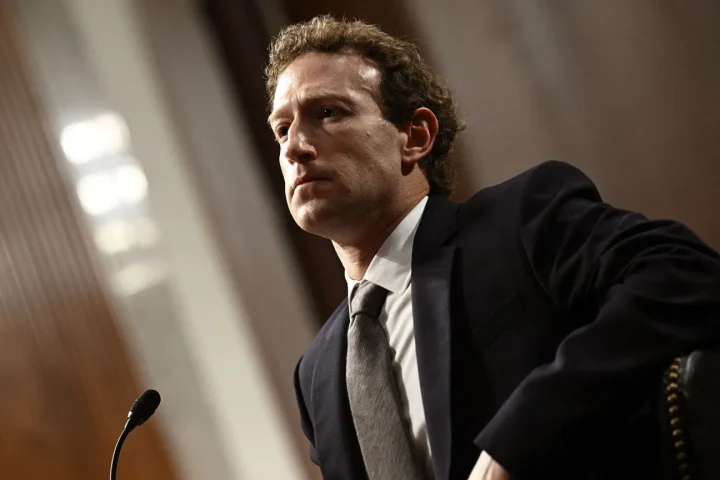
As the trials unfold, high-profile executives are expected to testify. Meta’s CEO Mark Zuckerberg is slated to appear in February, alongside Adam Mosseri, the head of Instagram. Although Evan Spiegel, the CEO of Snap, will not testify following the settlement, his company remains a key defendant in the ongoing lawsuits.
The outcome of the K.G.M. case is particularly significant, as it could influence the trajectory of many other legal challenges that follow. If juries rule in favor of the plaintiffs, social media giants may face hefty financial penalties and be required to overhaul the design of their platforms.
Unsealed Documents Raise Questions About Company Practices
Recent court documents have brought to light internal communications from social media companies, including emails and presentations that seem to show efforts to boost youth engagement, even when potential risks were known. These documents have intensified scrutiny of the companies’ actions and raised further questions about whether they acted irresponsibly by promoting addictive content for minors.
Section 230 Protections Under Challenge
One of the most significant aspects of these trials is the challenge to Section 230 of the Communications Decency Act, which has long shielded online platforms from liability for content posted by users. Legal experts note that the plaintiffs have made significant strides by overcoming these legal protections, allowing the cases to proceed to trial. This represents a potential shift in how social media platforms may be held accountable for the content and features they promote.
Company Defenses and Rejections of Allegations
The companies involved have strongly rejected the allegations, pointing to the various safety tools, parental controls, and policy updates they have introduced in recent years. They argue that the claims mischaracterize their products and that they are dedicated to ensuring the safety and well-being of their young users. Despite these reassurances, the trials will likely continue to intensify the debate over the responsibilities of social media companies in protecting vulnerable users.