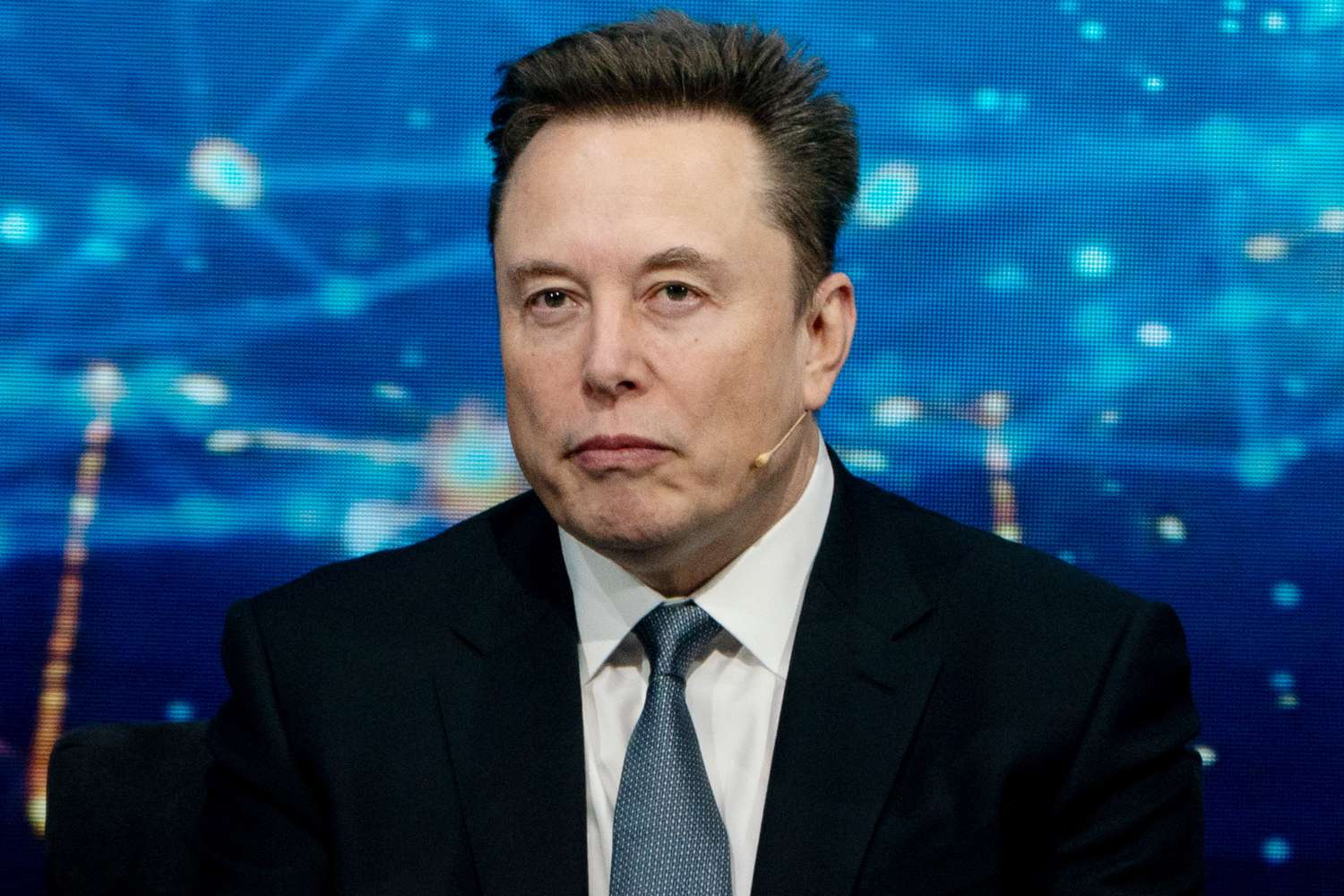
Elon Musk trillionaire status is now one of the defining business stories of 2026 after SpaceX’s record-breaking Nasdaq debut lifted his estimated fortune beyond $1 trillion.
The rocket and satellite company priced its initial public offering at $135 per share before opening near $150, with investor demand pushing SpaceX above the $2 trillion valuation mark during trading. The listing raised about $75 billion, making it the largest IPO on record and one of the most closely watched market events in modern financial history.
Forbes declared Musk the world’s first trillionaire after the SpaceX listing created a public market value for one of his most important holdings. The declaration marked a symbolic shift in global wealth, moving the conversation from billionaires to the first individual fortune measured in four commas.
Musk’s fortune is not simply a story of one company. It reflects a business empire built across electric vehicles, rockets, satellite internet, artificial intelligence, social media and advanced technology. But SpaceX is now the centrepiece of the wealth milestone.
The listing also changes the way investors, regulators and the public will view SpaceX. Once a privately held company known for bold engineering goals and government contracts, it now faces the pressure of public markets, quarterly scrutiny and a valuation that demands extraordinary execution.
Quick Facts About Elon Musk’s Trillionaire Milestone
| Category | Detail |
|---|---|
| Person | Elon Musk |
| New milestone | First publicly recognised trillionaire |
| Main trigger | SpaceX Nasdaq debut |
| IPO price | $135 per share |
| Opening price | Around $150 per share |
| Reported IPO proceeds | About $75 billion |
| SpaceX valuation | Above $2 trillion during trading |
| Main wealth drivers | SpaceX, Tesla and other ventures |
| Key business themes | Space, satellites, AI, electric vehicles and infrastructure |
| Main risk | Wealth tied heavily to market valuations |
Why SpaceX’s Debut Became a Global Wealth Event
SpaceX’s market debut became a global wealth event because of Musk’s large ownership stake and the company’s massive valuation.
When a founder owns a significant share of a company that suddenly becomes publicly traded at a high valuation, that founder’s paper wealth can rise dramatically. That is what happened with Musk.
Before the IPO, SpaceX was already one of the most valuable private companies in the world. But private valuations depend on funding rounds and investor estimates. A public listing gives the market a live price.
That price changed everything.
As SpaceX traded above its IPO price, the value of Musk’s stake increased enough for Forbes to estimate his net worth above $1 trillion.
This is why the story matters beyond Wall Street. SpaceX did not only raise capital. It created a new wealth category.
What SpaceX Is Really Being Valued For
SpaceX is best known for rockets, but the market is valuing a much broader business.
Investors are looking at reusable launch systems, Starlink satellite internet, government contracts, national security demand, space logistics and long-term infrastructure opportunities beyond Earth.
That makes SpaceX unusual.
It is part aerospace company, part communications network, part defence-linked technology supplier and part future-infrastructure platform.
Starlink is especially important because it gives SpaceX recurring revenue potential. Rocket launches can be high-profile, but satellite broadband offers a business model that can scale across countries, industries and households.
Investors are betting that SpaceX will not only dominate launch services. They are also betting that it will become one of the world’s most important space-based communications companies.
Why Investors Were Willing to Pay a Premium
The valuation attached to SpaceX shows that investors are willing to pay heavily for companies that appear to control future markets.
SpaceX has a strong narrative. It has built reusable rockets, expanded satellite internet and positioned itself at the centre of commercial space activity.
It also has a founder whose other companies have already reshaped markets.
That combination created unusual investor demand. SpaceX is not being treated like a normal industrial company. It is being priced like a platform with decades of possible expansion ahead.
The risk is that such valuations leave very little room for disappointment.
A company valued above $2 trillion must keep growing, keep executing and keep convincing investors that its future opportunity is as large as promised.
Elon Musk’s Wealth Is Mostly Paper Wealth
Musk’s trillionaire status does not mean he has $1 trillion in cash.
Most of his fortune is tied to shares, options and company ownership. That wealth rises and falls with market prices.
If SpaceX shares climb, Musk’s net worth may rise further. If SpaceX or Tesla shares decline sharply, he could fall below the trillion-dollar mark.
This is important because founder wealth can be extremely volatile.
A market rally can add tens or hundreds of billions of dollars. A selloff can erase the same amount quickly.
Even so, paper wealth has real-world power. It affects borrowing capacity, corporate influence, investor confidence, public perception and the ability to fund future ventures.
From Tesla to SpaceX: A Shift in Musk’s Wealth Story
For years, Tesla was the main driver of Musk’s fortune.
Tesla turned him into the world’s richest person as investors bought into the future of electric vehicles, batteries, software, energy storage and autonomy.
SpaceX now gives Musk another public-market giant.
That matters because SpaceX has a different growth story. It is not tied to consumer vehicles or car margins. It is tied to satellites, launch capacity, government contracts, space infrastructure and future communications systems.
This gives Musk’s wealth a new foundation.
Tesla remains important, but SpaceX has become the company that pushed him into trillionaire territory.
That shift may also change investor attention. Markets will now track Musk’s influence across two enormous public companies, each with different risks and different expectations.
What the IPO Means for SpaceX
Going public gives SpaceX access to deeper pools of capital.
That capital can support satellite deployment, rocket development, infrastructure expansion, research and long-term projects that require heavy spending.
But public markets bring pressure.
SpaceX will now face stronger scrutiny over revenue, losses, margins, governance, contracts and growth targets. Analysts will ask whether the company can justify its valuation. Shareholders will expect communication and discipline.
This may create tension.
SpaceX has always been associated with long-term ambition. Public investors often want shorter-term proof. Balancing those two demands will be one of the company’s biggest challenges.
The Starlink Factor
Starlink is likely one of the biggest reasons investors are excited about SpaceX.
Satellite internet gives the company a business that can reach homes, businesses, ships, aircraft, remote communities and government users across the world.
That kind of recurring service revenue is attractive because it can be more predictable than one-off launches.
Starlink also gives SpaceX a strategic advantage.
The company can build satellites, launch them using its own rockets and operate the network directly. This vertical structure gives it control over costs, deployment and service quality.
If Starlink continues growing, it could become one of the most important communications networks in the world.
That possibility is built into the valuation.
Why the Valuation Could Be Risky
A valuation above $2 trillion brings serious expectations.
SpaceX must deliver growth that matches investor optimism. That will not be easy.
The company operates in expensive industries. Rockets, satellites, ground infrastructure, engineering teams and regulatory compliance all require large spending.
There are also technical risks. Rocket failures, satellite issues, launch delays or Starship setbacks could affect confidence.
Competition may grow as governments and private companies invest more heavily in space technology.
Another risk is Musk’s attention.
He is involved in several major ventures, and investors may worry about whether his time is stretched too thin.
The IPO is a triumph, but the next stage may be harder than the listing itself.
What This Means for Global Markets
The SpaceX IPO may influence the wider market for large technology listings.
Investors have shown that they are still willing to support massive IPOs when the company has a powerful story, strong brand and perceived leadership in a future industry.
That could encourage other major private technology companies to consider going public.
Artificial intelligence, robotics, defence technology and advanced infrastructure firms may all study the SpaceX listing closely.
If SpaceX performs well, the IPO market could become more welcoming to other high-growth companies. If the shares struggle, investors may become more cautious about paying extreme valuations.
What This Means for Wealth Inequality
Musk becoming a trillionaire will also intensify debate about wealth inequality.
Supporters will say the milestone reflects innovation, risk-taking and the creation of companies that changed industries. They will point to rockets, electric vehicles, satellite internet and ambitious long-term technologies.
Critics will argue that a trillion-dollar fortune reflects extreme concentration of wealth and power.
The debate will be especially sharp because SpaceX operates in strategic sectors. Space infrastructure, satellite communications and government contracts are not ordinary consumer markets. They affect national security, internet access and future technology systems.
That makes Musk’s wealth more than a private financial matter.
It is also part of a public debate about who controls the infrastructure of the future.
Why This Story Matters for Business Readers
For business readers, the SpaceX listing is important for several reasons.
It shows how capital markets reward companies that dominate future-facing sectors.
It shows how founder ownership can create enormous personal wealth when valuations surge.
It shows how private companies can wait longer before listing, then arrive in public markets at giant scale.
It also shows that investors remain hungry for ambitious growth stories, even when valuations are difficult to justify using traditional measures.
SpaceX is now a case study in modern market psychology.
The company combines real engineering achievements with a powerful future narrative. That combination can create extraordinary valuations.
Key Takeaways
- Elon Musk has been declared the world’s first trillionaire by Forbes.
- SpaceX’s Nasdaq debut pushed his estimated fortune above $1 trillion.
- SpaceX priced its IPO at $135 per share.
- The stock opened near $150 and traded higher during the session.
- The IPO raised about $75 billion.
- SpaceX’s valuation moved above $2 trillion during trading.
- Musk’s wealth is mostly tied to shares and options, not cash.
- SpaceX’s valuation depends heavily on expectations for Starlink, launches and future space infrastructure.
- Tesla remains a major part of Musk’s wealth, but SpaceX triggered the trillionaire milestone.
- The listing gives SpaceX more capital but also more public-market scrutiny.
- The milestone raises wider debates about innovation, valuation and wealth concentration.
Frequently Asked Questions
Why is Elon Musk now a trillionaire?
Elon Musk is now considered a trillionaire because SpaceX’s public listing increased the estimated value of his ownership stake enough to push his net worth above $1 trillion.
What role did SpaceX play in Musk’s wealth milestone?
SpaceX was the main trigger. Its Nasdaq debut gave the company a public valuation above $2 trillion, sharply increasing the value of Musk’s stake.
What was the SpaceX IPO price?
SpaceX priced its IPO at $135 per share.
What did SpaceX shares open at?
SpaceX shares opened around $150 per share.
How much did SpaceX raise in the IPO?
SpaceX raised about $75 billion through the listing.
Is Elon Musk’s trillion-dollar fortune in cash?
No. Most of Musk’s fortune is paper wealth tied to shares, options and ownership stakes in companies such as SpaceX and Tesla.
Could Musk lose trillionaire status?
Yes. If SpaceX or Tesla shares fall, Musk’s estimated net worth could drop below $1 trillion.
Why is SpaceX valued so highly?
SpaceX is valued highly because investors see it as a leader in reusable rockets, satellite internet, government space contracts and future space infrastructure.
Why is Starlink important to SpaceX?
Starlink is important because it gives SpaceX a global satellite internet business with recurring revenue potential.
Why does Musk becoming a trillionaire matter?
It matters because it marks a historic wealth milestone and raises major questions about technology markets, innovation, valuation and the concentration of economic power.
Conclusion
Elon Musk crossing the $1 trillion threshold is a landmark moment for global business.
The SpaceX IPO transformed the value of one of his most important holdings and gave public investors access to a company positioned at the centre of the space economy.
The milestone reflects the market’s belief in rockets, satellites, broadband networks and future infrastructure. It also reflects the extraordinary power of founder-led technology companies to create wealth at unprecedented scale.
But the achievement comes with pressure.
SpaceX must now justify a valuation above $2 trillion. Musk must manage growing scrutiny across multiple companies. Investors must decide whether the future opportunity is large enough to support today’s price.
For now, one fact stands out.
The world’s first trillionaire has arrived, and SpaceX made it happen.