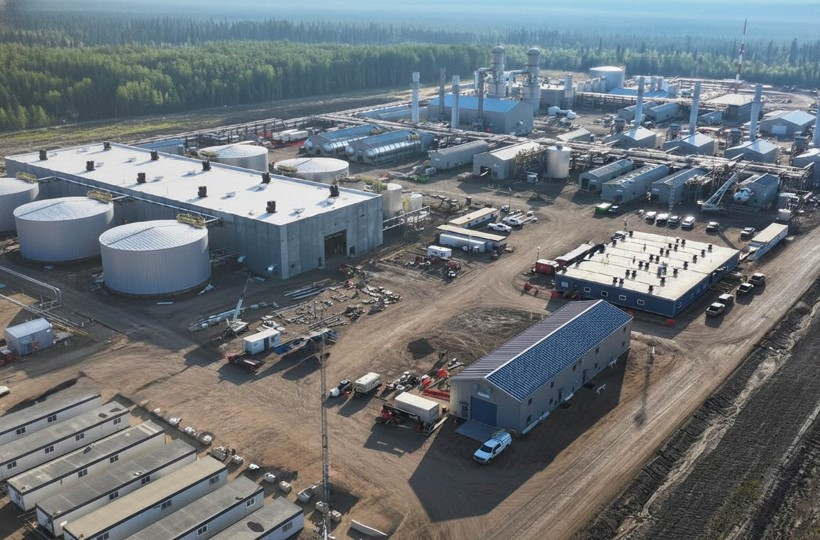
Blackrod oilsands project has started producing oil, giving Canada its first new Alberta oilsands development approved since 2013 and signaling a possible shift in the country’s long-cautious production growth strategy.
International Petroleum Corp. said oil production began May 31 at the initial phase of its US$855 million Blackrod site. The Vancouver-based company expects the project to ramp up to 30,000 barrels per day by late 2027, one quarter earlier than originally planned.
The company said the project was delivered mostly on budget, with costs coming in roughly US$5 million above the original plan. IPC could expand Blackrod output to as much as 80,000 barrels per day in future phases.
The start of production matters because Blackrod is not simply another incremental addition to Canada’s oil supply. It is a greenfield oilsands project, a new site developed from the ground up, in a sector that has largely avoided major new standalone projects for more than a decade.
Blackrod Oilsands Project Marks a Rare New Build
The Blackrod oilsands project moved ahead in 2023, making it the first new Alberta oilsands development to be greenlit in more than 10 years.
That timing is important. After oil prices collapsed around 2014, many companies shifted away from new greenfield oilsands projects. Instead, operators focused on lowering costs, improving efficiency and expanding existing sites in smaller steps.
The change reflected both market pressure and capital discipline. Oilsands projects often require large upfront investment, long timelines and confidence that production economics will remain strong over many years.
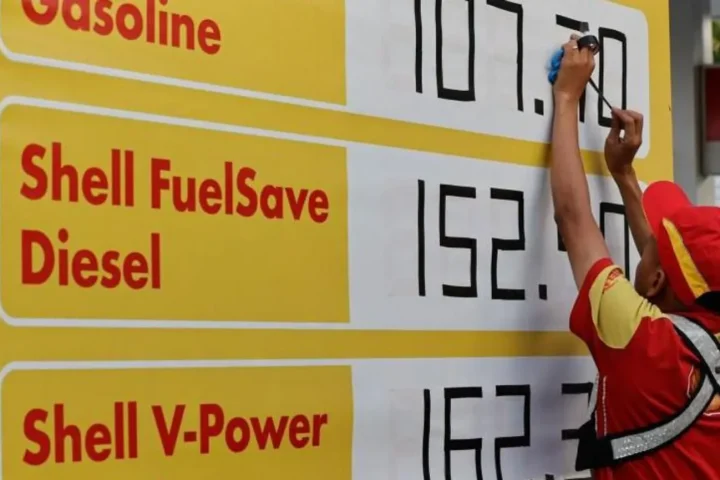
Major international oil companies also reduced their exposure to the sector. Shell PLC and BP PLC were among the global producers that sold oilsands assets as they redirected capital toward other areas, including shale.
Even so, Canada’s oilsands output continued to grow. Much of that expansion came from debottlenecking, phased additions and improved performance at existing operations rather than new large-scale developments.
Blackrod therefore stands out because it represents a return to a type of project that many producers had avoided since the last major oil price downturn.
IPC Targets 30,000 Barrels a Day by Late 2027
International Petroleum Corp. said the Blackrod site will increase production gradually after first oil. The company now expects the initial phase to reach 30,000 barrels per day by late 2027.
That schedule is one quarter ahead of the original plan, according to the company. For an oilsands project, delivering close to budget and ahead of the original production schedule gives IPC a stronger starting point as it evaluates future growth.
The initial phase is only part of the site’s potential. IPC said Blackrod could eventually produce as much as 80,000 barrels per day if future phases move forward.
That possible expansion gives the company flexibility. It can scale output over time if market conditions, infrastructure access and capital returns support further investment.
The project’s cost profile also matters. IPC said the development cost about US$5 million more than originally planned, a relatively limited overrun compared with the size of the US$855 million project.
For investors, that figure will likely be watched as a sign of execution discipline in a sector often associated with large capital requirements.
Pipeline Expansion Could Change the Growth Math
The Blackrod startup comes as Canada prepares for a new wave of oil export capacity.
New and expanded pipelines are planned, and those projects will require producers to increase output at a pace not seen in more than a decade. That creates a different backdrop from the years when pipeline bottlenecks limited growth ambitions and widened price discounts for Canadian crude.
If more export capacity becomes available, producers may have greater confidence that additional barrels can reach markets. That could make future phases at projects such as Blackrod more attractive.
Canada is the world’s fourth-largest oil producer, with most of its crude output coming from northern Alberta. The oilsands remain central to that position.
However, production growth has been shaped by infrastructure limits, investor caution and the high cost of new developments. The question now is whether stronger pipeline access can support a new phase of growth while keeping spending disciplined.
Blackrod’s production start does not mean the industry is returning to the aggressive expansion cycle seen before the 2014 price collapse. But it does show that some producers are willing to move ahead with new supply when project economics and execution plans align.
Why Blackrod Matters for Canada’s Energy Sector
The Blackrod oilsands project arrives at a moment when Canada’s energy sector is balancing opportunity and restraint.
On one hand, additional pipeline capacity could open room for higher output. On the other, companies remain focused on capital discipline after years of volatility. Investors are likely to favor projects that can show cost control, predictable ramp-up schedules and clear market access.
IPC’s Blackrod site fits into that debate because it offers a test case for new greenfield oilsands development. If the project ramps successfully and stays close to budget, it could strengthen confidence in carefully selected new builds.
The project also highlights the continued role of Alberta in global oil supply. While international majors have pulled back from some oilsands positions, companies with focused exposure to Canadian assets continue to see value in the basin.
For Canada, the start of production adds to a broader discussion about how quickly the country can grow crude output as export infrastructure expands. Producers will need to decide whether to pursue new projects, expand existing assets or maintain a more conservative investment stance.
What to Watch Next
The next key milestone for Blackrod will be its ramp-up toward 30,000 barrels per day by late 2027. Investors and energy market watchers will track whether IPC can meet that target on its accelerated timeline.
Future expansion plans will also draw attention. IPC has said Blackrod could eventually reach 80,000 barrels per day, but the company has not said in the supplied information when later phases might proceed.
The broader market will also watch pipeline development. If new and expanded export routes move forward as planned, Canadian oilsands producers may face fresh pressure to increase output after years of slower growth.
For now, Blackrod gives Canada’s oilsands sector a rare new greenfield project. Its performance could help determine whether the next phase of Alberta oil growth comes from cautious expansions, new developments or a combination of both.