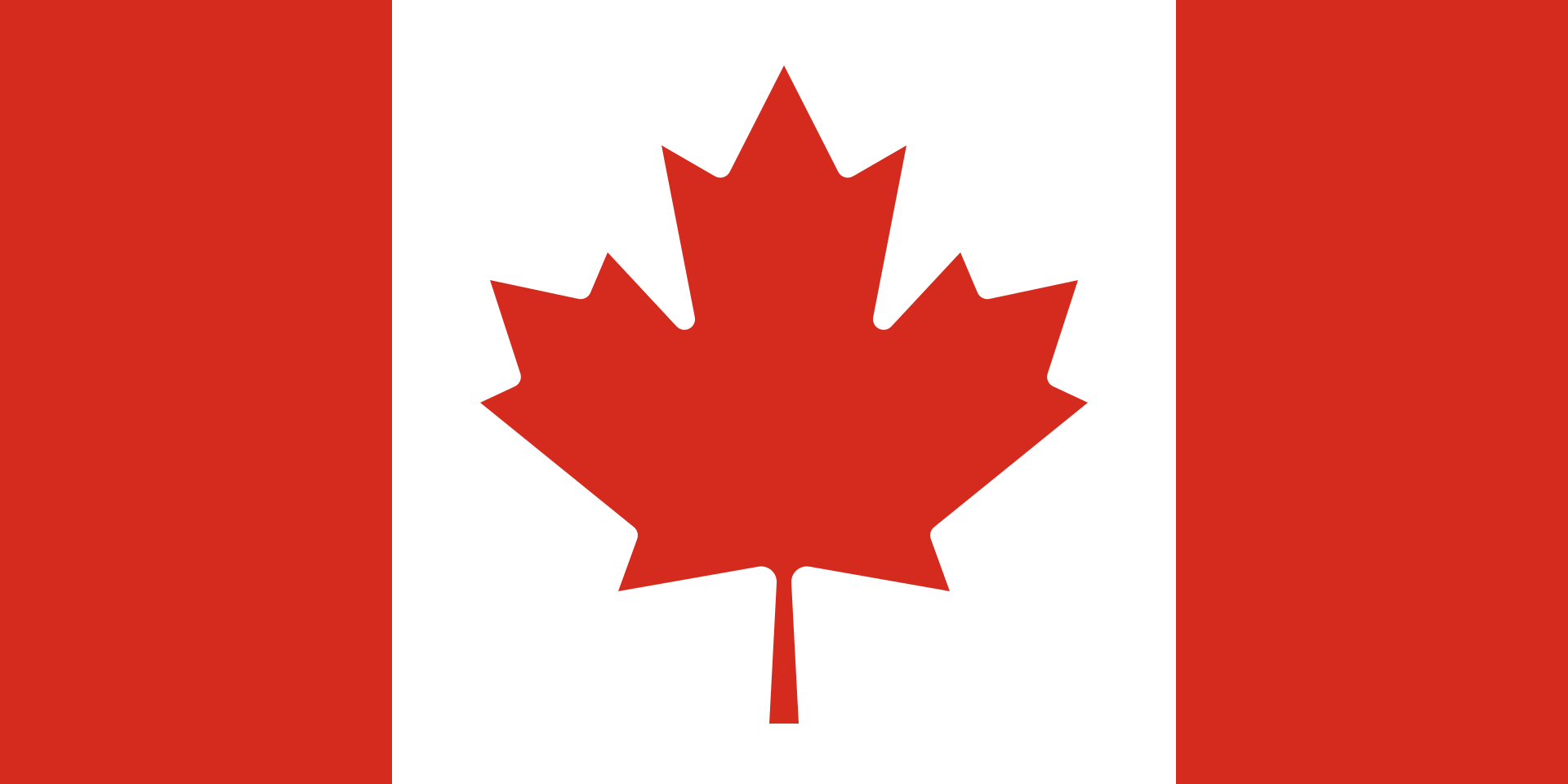
Canadians are people who identify with the country of Canada through citizenship, residence, ancestry, or cultural connection. With a population of over 41 million in 2025, Canadians form one of the world’s most diverse and multicultural societies, blending Indigenous traditions with French, British, and immigrant influences. The term Canadian reflects not only nationality but also a sense of shared identity and values rooted in history, diversity, and community.
History of Canadians
The history of Canadians begins with the Indigenous peoples, who have lived in North America for thousands of years. The First Nations, Inuit, and Métis formed advanced societies with agriculture, trade networks, and distinct governance systems long before European contact. The arrival of European explorers in the 16th century, such as John Cabot (1497) and Jacques Cartier (1534), marked the start of colonial settlement. The French established New France, with Quebec City and Port Royal among the earliest permanent settlements. Later, the British conquest of 1763 shifted power and led to the formation of British North America.
In 1867, the Canadian Confederation was created through the British North America Act, uniting four provinces: Ontario, Quebec, Nova Scotia, and New Brunswick. Over time, other provinces and territories joined, including British Columbia (1871), Prince Edward Island (1873), Alberta and Saskatchewan (1905), and Nunavut (1999). Canada’s journey to full sovereignty culminated in the Statute of Westminster (1931) and the Canada Act (1982), which established complete independence from the United Kingdom and introduced the Canadian Charter of Rights and Freedoms.
Culture and Identity of Canadians
The culture of Canadians is rooted in a blend of Indigenous traditions, French and British heritage, and diverse global immigration. Canada officially adopted multiculturalism in 1971, becoming the first country in the world to make it a state policy. Unlike the concept of a cultural melting pot, Canada promotes a cultural mosaic, where distinct identities coexist and enrich the national character.
French-speaking communities, especially in Quebec, maintain strong linguistic and cultural identities, often distinct from English-speaking Canadians. At the same time, immigrants from South Asia, China, the Caribbean, Africa, and Latin America have reshaped modern Canadian society, adding new layers of art, cuisine, music, and traditions.
Canadians often identify with values such as equality, human rights, tolerance, social justice, and freedom. These principles are reflected in national policies such as universal healthcare, bilingualism, gun control, same-sex marriage legalization, and support for multiculturalism. Surveys indicate that nearly 87% of Canadians feel proud of their national identity, with especially strong pride in the military, history, and healthcare system.
Population, Diaspora, and Languages
As of Q4 2024, Canada’s population stood at 41,465,298, representing about 0.5% of the world’s total population. Nearly 41% of Canadians are first- or second-generation immigrants, reflecting the country’s long-standing reliance on immigration for growth. By 2031, almost half of Canadians over 15 years old are projected to be either foreign-born or children of immigrants.
According to the 2021 census, major ethnic groups in Canada include European (69.8%), South Asian (7.1%), Indigenous (5%), Chinese (4.7%), Black (4.3%), and Arab (1.9%), alongside smaller populations of Latin American, Southeast Asian, West Asian, Korean, and Japanese descent. About 26.5% of the population identifies as a visible minority, with South Asians, Chinese, and Black Canadians forming the largest groups.
The Canadian diaspora is widespread, with more than 1 million Canadians living in the United States, followed by significant communities in Hong Kong (300,000), the United Kingdom (73,000), France (60,000), Lebanon (45,000), and the United Arab Emirates (40,000).
In terms of languages, English (54.9%) and French (19.6%) are the official languages of Canada. A significant number of Canadians also speak Chinese (3.5%), Punjabi (1.8%), Spanish (1.5%), and Arabic (1.4%) as their first languages. Indigenous languages, such as Cree, Inuktitut, and Ojibway, are spoken across Canada, with Inuktitut being the majority language in Nunavut. Canada also has vibrant sign language communities, including ASL and LSQ.
Religion and National Values
Religion in Canada is diverse. Christianity remains the largest faith (53.3%), with Roman Catholicism being the most widespread denomination. Other major religions include Islam (4.9%), Hinduism (2.3%), Sikhism (2.1%), Buddhism (1.0%), and Judaism (0.9%), while 34.6% of Canadians identify as having no religion. Before colonization, Indigenous peoples practiced animistic and shamanistic spiritual traditions, some of which continue to this day.
Canadian values emphasize multiculturalism, democracy, and inclusiveness. The country is often described as a postnational state, where tolerance and diversity are central to its national identity. Symbols such as the maple leaf, the beaver, the loon, the Royal Canadian Mounted Police, and the national parks represent Canadian culture and heritage.