Mark Carney’s newly announced Alberta oil pipeline deal has triggered an immediate wave of political criticism, environmental pushback, and economic debate across Canada. The former Bank of England and Bank of Canada governor, who is increasingly positioning himself as a major voice in the country’s economic and climate agenda, stepped into a storm of public scrutiny the moment the plan was revealed. Supporters argue the agreement represents a pragmatic attempt to balance energy security with green transition goals, while opponents see it as an unnecessary entrenchment of fossil fuel dependence. The deal highlights deep divisions within Canada over the future of oil and gas, particularly in Alberta where the industry remains both an economic lifeline and a political flashpoint.
A Pipeline Deal Framed as “Transition Strategy”
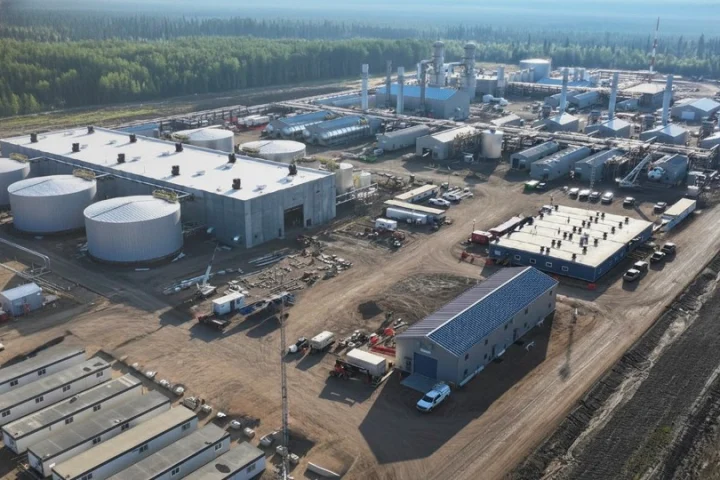
Carney’s proposal centers on expanding an existing Alberta pipeline corridor to increase capacity for transporting oil to key domestic and international markets. Unlike previous megaprojects, this initiative focuses on leveraging pre-established routes to limit new land disturbances, reduce regulatory hurdles, and offer a “middle-ground” solution between traditional extraction and long-term climate planning. Carney has framed the project as a temporary but necessary boost to Canadian energy competitiveness while renewable infrastructure scales up. According to his public statements, Canada cannot afford a disorderly or abrupt energy transition that risks economic instability, job losses, and weakened global influence in energy markets. The pipeline expansion, he argues, is meant to prevent bottlenecks, reduce reliance on rail transport, and ensure the country remains a reliable supplier during volatile global conditions.
Environmental Advocates Reject the Logic
Environmental organizations, however, are already pushing back aggressively. Groups such as the David Suzuki Foundation, Greenpeace Canada, and regional climate networks warn that any pipeline expansion—no matter how limited in scope—locks Canada into higher emissions for decades. Critics argue that Carney’s plan contradicts the federal government’s commitments under the Paris Agreement and undermines national goals for net-zero emissions. Many believe that boosting pipeline capacity inevitably encourages increased production, which then delays investment in clean energy. Activists also take issue with Carney’s narrative of “responsible transition,” arguing that the language is often used to justify fossil fuel expansion instead of fostering serious decarbonization. They insist that Canada already has more pipeline capacity than needed for a climate-aligned future and call for a shift toward aggressive renewable development rather than extending the lifespan of oil infrastructure.
Indigenous Communities Express Unease
Several Indigenous communities have also raised concerns about the new project. While some First Nations have participated in oil and gas ventures through equity partnerships, others fear the environmental impacts and long-term risks associated with pipeline expansions. Questions about land rights, consultation processes, and ecological preservation remain central. Indigenous leaders emphasize that genuine partnership must include environmental safeguards, full transparency, and shared decision-making rather than symbolic engagement. Some nations worry that expanding petroleum infrastructure could threaten water sources, wildlife habitats, and treaty lands. Others warn that past pipeline deals have left communities with unfulfilled promises regarding revenue, employment, and safety assurances. Carney’s team has expressed interest in Indigenous collaboration, but critics say meaningful consultation must come before—not after—key agreements are finalized.
Alberta Government Strongly Supports the Deal
In Alberta, political leaders have welcomed the announcement with enthusiasm. The provincial government sees Carney’s endorsement as validation that the oil sector remains essential to the national economy even amid climate pressures. Alberta officials argue that the pipeline expansion will create jobs, attract capital, and prevent production shut-ins caused by transportation constraints. They emphasize that Canada’s oil industry is among the most regulated and technologically advanced in the world, and that failing to expand capacity would strengthen competitors with weaker environmental standards. The government also insists that Alberta must play a central role in shaping national economic direction, and Carney’s involvement gives their position added credibility. However, critics within the province caution that the government’s support may overlook long-term market trends, including global shifts away from heavy crude and increasing competition from low-carbon alternatives.
Federal Politics Complicate the Debate
At the federal level, the deal arrives at an especially sensitive moment. Canada is under pressure to meet its climate commitments while managing political divides between provinces reliant on fossil fuels and those prioritizing environmental policy. Carney’s influence in national political circles has intensified speculation that he may pursue a future leadership role, putting even more attention on the implications of his pipeline stance. Some political analysts suggest that Carney is attempting to position himself as a centrist capable of bridging energy and climate interests. Others argue that supporting a pipeline project could alienate progressive voters who see fossil fuel expansion as incompatible with climate leadership. Opposition parties, meanwhile, are already using the announcement to shape narratives about government priorities, economic direction, and environmental responsibility.
Economic Stakes at the Center of the Controversy
Economists are divided over the long-term value of expanding pipeline capacity. Some analysts argue that Canadian oil remains a crucial component of global energy supply chains and that new infrastructure is necessary to avoid revenue loss, stranded assets, and missed export opportunities. They highlight that despite global climate goals, demand for oil persists—particularly in developing economies—and will not vanish overnight. Others counter that global energy markets are shifting quickly, and that Canada risks over-investing in infrastructure that may not be profitable as countries accelerate decarbonization. They also warn that financial institutions are progressively distancing themselves from long-lived fossil fuel assets, raising questions about the long-term financing of such projects. Carney, known for his work in sustainable finance, argues that the key to managing economic risk is a measured transition that avoids both abrupt abandonment and reckless expansion.
Public Sentiment Remains Deeply Divided
Reactions from the Canadian public reflect deep-seated divisions about the country’s energy future. In Alberta and parts of Saskatchewan, many view the pipeline deal as overdue support for an industry they believe has been unfairly targeted. In British Columbia, Quebec, and much of urban Canada, however, skepticism remains high. Urban voters increasingly prioritize climate action, seeing fossil fuel projects as obstacles to progress. Younger generations, in particular, express concern that continued investment in pipelines undermines efforts to prevent long-term environmental damage. The debate has quickly become a symbol of broader national tensions between economic pragmatism and climate urgency.
The Road Ahead for Carney’s Pipeline Deal
Carney’s proposal is still at an early stage, and its future will depend on regulatory processes, public consultation, Indigenous negotiations, environmental assessments, and political dynamics at both provincial and federal levels. The opposition that emerged immediately after the announcement suggests the path forward will be anything but simple. As the debate intensifies, Carney finds himself navigating a landscape where economics, climate policy, public opinion, and political ambition intersect. Whether the pipeline expansion ultimately moves ahead remains uncertain. What is clear, however, is that the deal has already sparked a national conversation about Canada’s identity, its climate obligations, and the complex choices required to balance prosperity with sustainability. The controversy surrounding the plan will likely shape discussions about energy policy for years to come.