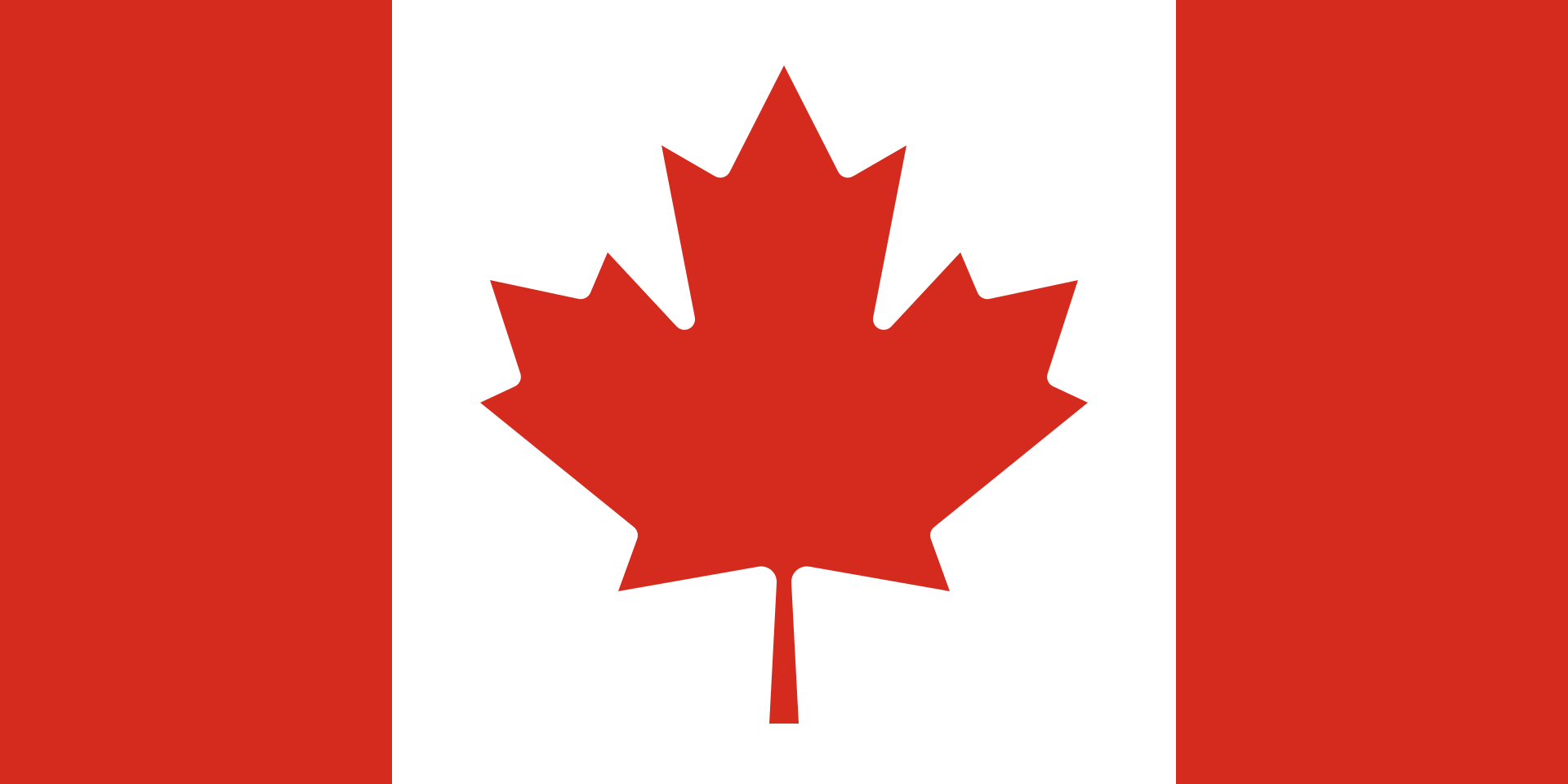
Education in Canada is publicly funded and overseen by federal, provincial, and local governments, but is primarily a provincial responsibility. This means that each province or territory sets its own curriculum, policies, and education standards, resulting in variations across the country. Despite these differences, Canada is globally recognized for having one of the most educated populations in the world, with consistently high literacy and post-secondary attainment rates.
Structure of the Education System
Canada’s education is generally divided into three levels:
- Primary education (Elementary School): Begins at age 5 or 6 and runs through Grade 6 (or Grade 7 in some provinces).
- Secondary education (High School): Runs from Grades 7–12 in most provinces, but ends at Grade 11 in Quebec.
- Post-secondary education: Includes universities, colleges, vocational schools, and technical institutes.
- Mandatory schooling age: Between 5–7 and 16–18 years, depending on the province.
- Languages: Education is available in both English and French, with additional supports for Indigenous languages such as Mi’kmaq and Inuktitut in specific regions.
Key Achievements and Global Standing
- Literacy Rate: Both male and female literacy rates stand at 99%.
- High School Completion: 89% of Canadians aged 25–64 have completed at least a secondary school diploma, far above the OECD average.
- Post-Secondary Education: Over 57% of Canadian adults have a university or college degree, making Canada the most educated country in the world, according to the OECD.
- Global Rankings: Canadian students consistently score above OECD averages in math, science, and reading, ranking among the top 10 globally in standardized assessments like PISA.
Universities and Colleges
Canada is home to nearly 100 public universities and over 200 colleges. Almost all are publicly funded, ensuring accessibility and affordability.
- Oldest University: Université Laval, established in 1663.
- Largest University: University of Toronto, with over 85,000 students.
- World-Ranked Institutions: The University of Toronto, McGill University, University of British Columbia, and McMaster University consistently rank among the top 100 globally.
- Vocational Education: Community colleges and polytechnics provide diplomas, certificates, apprenticeships, and in some cases, bachelor’s degrees.
Funding and Investment
- Canada spends about 5–6% of its GDP on education, comparable to other high-income nations.
- Tertiary education receives significant investment, averaging US$20,000 per student.
- Tuition fees vary by province, with Alberta seeing the steepest increases in recent years.
Historical Development of Compulsory Education
Education became mandatory in Canada in a staggered timeline:
- 1871: Ontario
- 1873: British Columbia
- 1877: Prince Edward Island
- 1883: Nova Scotia
- 1905–1916: Saskatchewan, Alberta, Manitoba, and New Brunswick
- 1942–1943: Newfoundland and Quebec
By the mid-20th century, compulsory education was standard across the country.
Diversity and Inclusion
- Indigenous Education: Schools increasingly include Indigenous languages, culture, and history, often with participation from community elders.
- Equity Programs: Some districts, like the Toronto District School Board, collect identity-based data to address achievement gaps among racialized students, under Section 15(2) of the Charter of Rights and Freedoms.
- Religious and Language Rights:
- Ontario, Saskatchewan, and Alberta still provide publicly funded Catholic schools.
- Quebec guarantees French-language schooling, while other provinces offer French immersion and minority-language protections under Section 23 of the Charter.
Challenges and Criticisms
Despite its strengths, the Canadian education system faces challenges:
- Grade inflation and social promotion policies have raised concerns about declining academic standards.
- Equity-focused interventions spark debates about fairness, transparency, and data collection.
- Rural-urban disparities limit access to resources in remote communities, particularly for Indigenous students.
- Tuition hikes continue to create financial barriers for many families.
Conclusion
Education in Canada is considered one of the world’s best systems, producing highly skilled graduates and supporting a literate, well-educated population. Its combination of provincial flexibility, bilingual instruction, strong investment, and internationally respected universities has positioned Canada as a leader in education globally. However, balancing accessibility, equity, and academic excellence remains a continuing challenge as the country adapts to social and economic changes.