How Hybrid Cars Are Changing the Auto Market
Introduction
The automotive industry is undergoing a significant transformation, and hybrid cars are leading the charge. As consumers become more environmentally conscious and governments implement stricter emission regulations, hybrid vehicles are bridging the gap between traditional gasoline-powered cars and fully electric vehicles. In 2025, hybrid cars are not just a niche option—they are reshaping the global auto market. generalodhiambo
Rising Consumer Demand
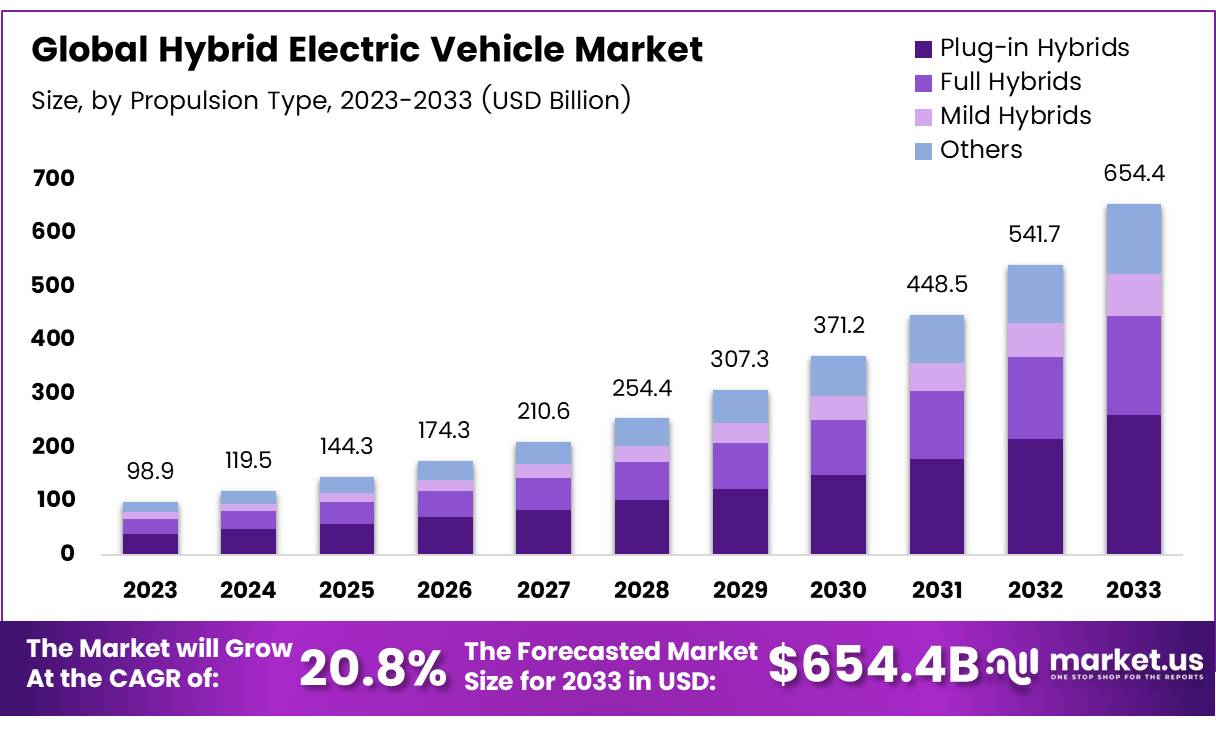
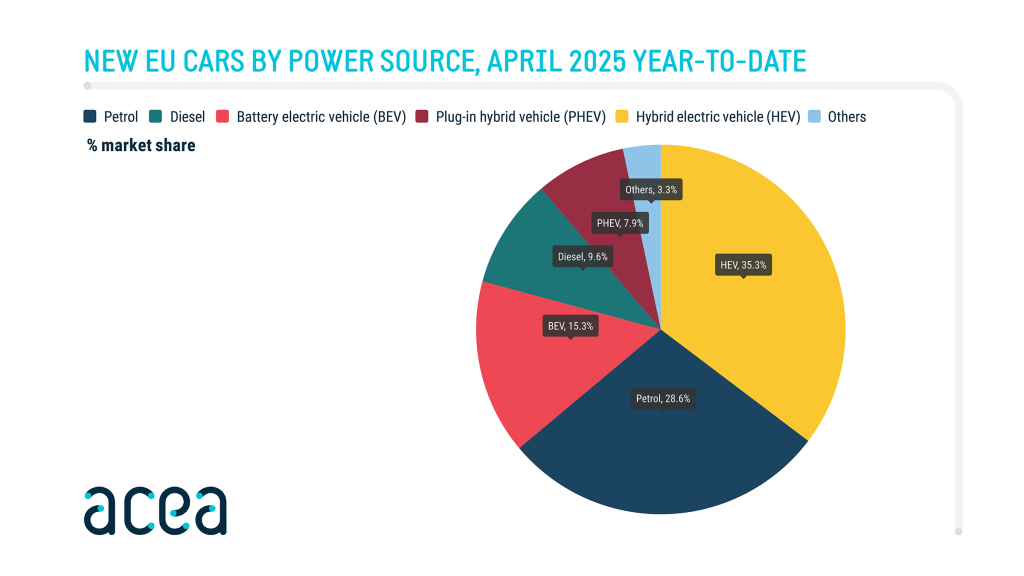
Hybrid cars combine the efficiency of electric motors with the reliability of internal combustion engines. This dual system appeals to drivers looking for lower fuel costs, reduced emissions, and longer driving ranges. In 2025, hybrid vehicle sales have surged globally, with major manufacturers like Toyota, Honda, and Ford introducing advanced models to meet growing demand.
Environmental Impact
One of the key drivers of hybrid adoption is environmental sustainability. Hybrid cars produce fewer greenhouse gas emissions compared to conventional vehicles. With global awareness of climate change at an all-time high, hybrids are becoming a preferred choice for eco-conscious consumers, fleet operators, and governments looking to reduce urban pollution.
Technological Innovations
Hybrid cars are not just about combining gas and electric engines—they are technological marvels. Innovations in battery technology, regenerative braking, and smart energy management systems have made hybrids more efficient, reliable, and cost-effective. Features like AI-powered energy optimization and connected vehicle systems are pushing the automotive industry into a smarter, greener future.
Market Implications
The rise of hybrid cars is reshaping the competitive landscape. Traditional automakers are investing heavily in hybrid technology to remain relevant, while startups focused on electric mobility are adjusting strategies to include hybrid options. This shift affects supply chains, manufacturing processes, and aftermarket services, making hybrid technology a central element of the 2025 auto market.
Challenges and Considerations
Despite the growth, hybrid cars face challenges. High initial purchase costs, complex maintenance requirements, and battery disposal concerns remain key hurdles. Additionally, the expansion of full electric vehicle infrastructure may influence the future role of hybrids in the automotive ecosystem.
Conclusion
Hybrid cars are more than just a transitional technology—they are catalysts for innovation and sustainability in the auto industry. By offering a balance of efficiency, reliability, and environmental friendliness, hybrids are reshaping consumer expectations and forcing automakers to rethink their strategies. In 2025, the hybrid revolution is well underway, signaling a greener and more efficient future for global transportation.