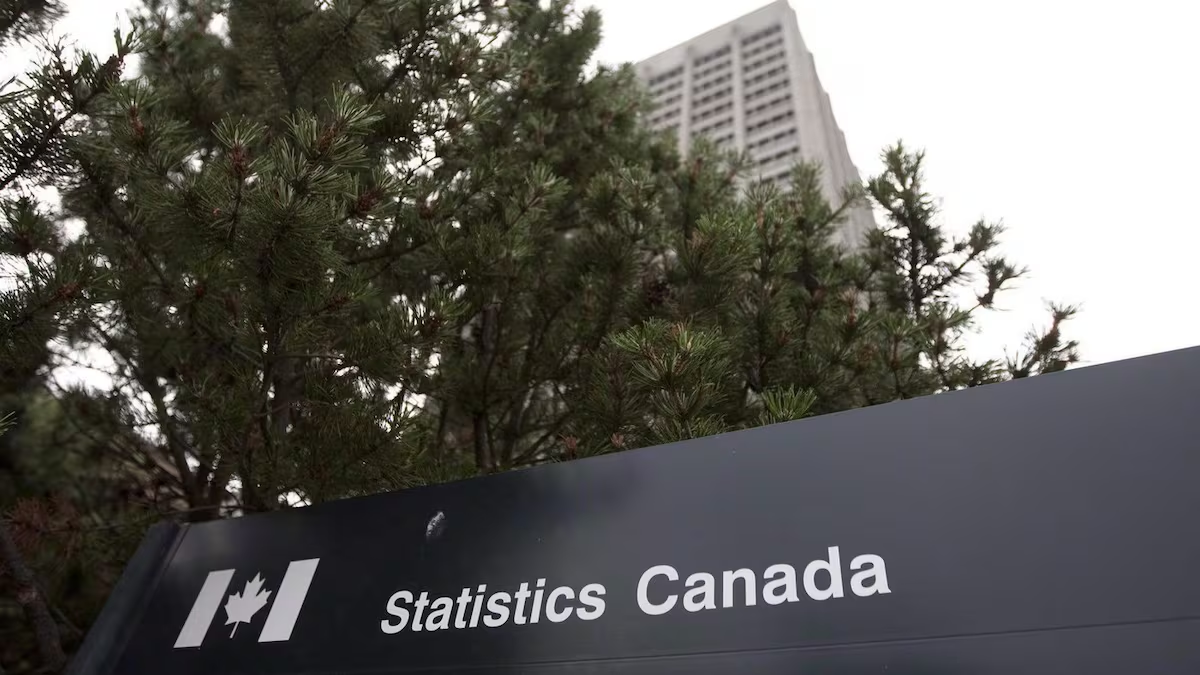
Canada’s inflation rate held steady at 2.2% in November, unchanged from the previous month, according to Statistics Canada. Despite this stability, experts warn that grocery prices continue to rise, signaling that inflationary pressures could persist into 2026.
In its latest report, StatCan revealed that grocery prices increased by 4.7% year-over-year in November, a sharp rise from the previous month’s 3.4%. This marks the highest level recorded since December 2023, with fresh berries and beef being major drivers of the price increase.
The rising costs of fresh or frozen beef were up 17.7% in November due to lower cattle inventories across North America. Additionally, tariffs from the United States and challenging weather conditions in coffee-producing regions have contributed to a 27.8% increase in coffee prices.
Read Also
Jetour Cars in Canada 2025: What’s New?
Top American-Made Cars 2025: A Look at the Best
Impact of Inflation on Housing and Household Budget
Experts Expect Continued Grocery Price Pressures
Benjamin Reitzes, BMO’s managing director of Canadian rates and macro strategist, predicts that grocery prices will remain high at least through the first few months of 2026. He points to several factors, including the soft Canadian dollar, which raises import prices, and global trade tensions that are increasing costs across the supply chain.
The Food Price Report from Canadian universities projects a 4-6% inflation rate in the grocery sector next year. Reitzes highlighted that while interest rates cannot directly impact food prices, the Bank of Canada is likely to maintain its interest rate of 2.25% as inflationary pressures in the core economy are still high.
Travel and Housing Costs Show Mixed Trends
In contrast to grocery price hikes, gas prices in Canada fell year-over-year but rose by 1.8% on a monthly basis in November, largely due to oil refinery disruptions. On the other hand, travel costs showed some relief for consumers. Prices for travel tours dropped by 8.2% year-over-year, and traveller accommodations fell by 6.9%.
Meanwhile, rent price growth slowed, although cellular service prices continued to rise. Leslie Preston, TD senior economist, expects inflation to moderate in the coming months, as last year’s GST holiday has distorted the annual comparison.
Reitzes also predicted that the inflation figures will see volatility over the next few months, due to the impact of the tax holiday and the removal of the consumer carbon price, which lowered gas prices in 2025. However, the Bank of Canada will likely remain on the sidelines until the picture becomes clearer.
Inflation Trend and Future Outlook
Despite core inflation showing signs of easing, Andrew Grantham, CIBC senior economist, noted that core inflation remains too high to allow for any further interest rate cuts. He also pointed out that inflationary pressures are widespread, with more items experiencing price increases in November.
Overall, TD Bank expects inflation to moderate back toward the Bank of Canada’s target of 2% over the coming year, but experts acknowledge the challenges still ahead in balancing price pressures with economic growth.