Intel Q2 earnings delivered mixed results for investors on Thursday. Consequently, the chipmaker beat revenue forecasts but unfortunately missed earnings per share expectations. Moreover, Intel Q2 earnings also revealed significant workforce reductions ahead.
The company reported adjusted losses of $0.10 per share. However, revenue reached $12.8 billion, exceeding expectations. Nevertheless, Wall Street had forecast $0.01 earnings on $11.8 billion revenue. Interestingly, last year’s Intel Q2 earnings showed $0.02 EPS and similar revenue.
Additionally, Intel took $800 million in impairment charges. Specifically, these related to excess tools with no re-use plans. Furthermore, the company also recorded $200 million in one-time costs. Therefore, these charges significantly impacted Intel Q2 earnings results.
Importantly, the Intel Q2 earnings report announced 15% workforce cuts. As a result, the company expects 75,000 employees by year-end. In addition, this reduction aims to streamline operations. Intel also canceled projects in Germany and Poland.
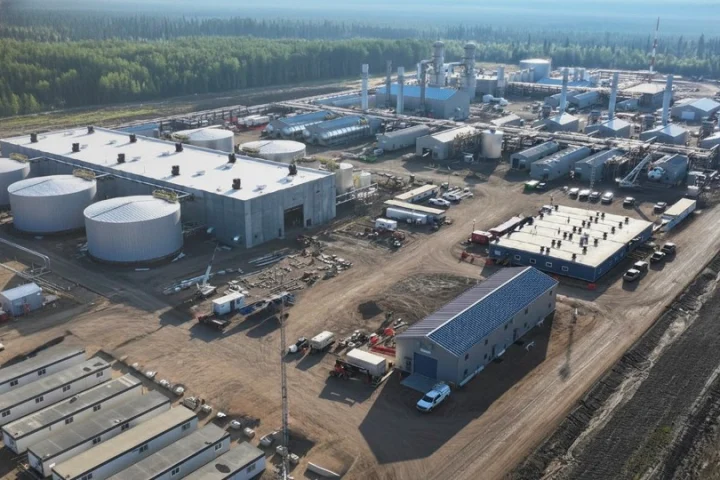
Likewise, construction delays hit Ohio facility development. Consequently, Intel is slowing the major manufacturing site. However, these moves reflect strategic restructuring efforts. Meanwhile, the company focuses on core business priorities.
Furthermore, Intel’s Q3 revenue forecast looks promising. Specifically, expectations range from $12.6 to $13.6 billion. Surprisingly, Wall Street previously predicted $12.6 billion. Indeed, this upbeat guidance shows confidence. Clearly, the Intel Q2 earnings call highlighted future potential.
Nevertheless, despite positive revenue outlook, stock fell nearly 5%. Unfortunately, trading dropped to premarket lows Friday. Initially, shares had risen over 2% Thursday. However, market reaction surprised many investors. Consequently, Intel Q2 earnings created mixed investor sentiment.
Moreover, Intel shares show 28% decline over twelve months. Yet, year-to-date performance improved 13%. Certainly, the stock remains volatile recently. Currently, market capitalization sits at $98 billion. Meanwhile, rivals significantly outpace Intel’s valuation.
For instance, AMD’s market cap exceeds $262 billion. Similarly, Nvidia dominates with $4 trillion valuation. Obviously, both companies lead in AI technology. Unfortunately, Intel struggles to compete effectively. Consequently, market position continues challenging.
Additionally, Intel’s Products division generated $11.8 billion. Remarkably, expectations were $10.9 billion. This includes laptop and desktop CPUs. Equally important, data center and AI chips contributed significantly. Ultimately, strong performance helped overall results.
Furthermore, the Foundry business earned $4.4 billion. Predictably, forecasts predicted $4.3 billion. However, growth remained flat at 2% year-over-year. Unfortunately, third-party chip production still developing. Nevertheless, this division faces implementation challenges.
Importantly, Intel previously announced deals with Microsoft and Amazon. Likewise, both companies will use 18A technology. Notably, former CEO Pat Gelsinger championed this initiative. Therefore, manufacturing growth depends on these partnerships.
Meanwhile, Qualcomm expands into PC chip markets. Consequently, Snapdragon X Plus and X Elite compete directly. Moreover, Intel faces increased competitive pressure. Similarly, AMD continues gaining market share. Therefore, mobile processor competition intensifies.
Earlier reports questioned 18A technology future. However, current leadership reaffirmed commitment. Furthermore, capacity expansion plans continue moving forward. Specifically, internal chip production gets priority. Eventually, third-party customers may follow later.
Clearly, Intel’s restructuring shows strategic realignment. In addition, workforce reductions aim to improve efficiency. Likewise, project cancellations reduce capital spending. Moreover, focus shifts toward profitable segments. Ultimately, long-term vision emphasizes core strengths.
Unfortunately, the company’s market position remains challenging. Nevertheless, competition from AMD and Nvidia grows. Similarly, AI leadership eludes Intel currently. Additionally, manufacturing capabilities need improvement. Therefore, strategic partnerships become crucial.
Finally, investors should watch future Intel Q2 earnings trends closely. Consequently, workforce reductions may improve margins. Furthermore, project cancellations reduce future costs. However, revenue growth depends on product success. Ultimately, market share battles continue intensifying.