The Debate on Motorcycles Lane Splitting
The question of motorcycles lane splitting divides Canadian drivers and riders. While riders argue that filtering between slow or stopped cars is safer and faster, Canadian traffic laws still forbid it. Ontario law, like most of Canada, requires vehicles to remain entirely within one lane, which makes lane-splitting illegal.
Yet evidence suggests it can improve safety. A 2015 University of California, Berkeley study examined nearly 6,000 motorcycle crashes. Riders who lane-split in traffic moving under 80 km/h suffered less severe injuries compared to those who stayed in lane. California legalized lane-splitting in 2017, developing clear guidelines, and several U.S. states have since followed.
Safety vs. Perception
Supporters say motorcycles lane splitting prevents rear-end collisions, which are a serious risk for riders stuck in traffic. Filtering also reduces congestion by keeping bikes moving instead of idling. A Belgian study found that if just 10% of drivers switched to motorcycles, commute times would fall by 40%.
However, cultural attitudes in Canada remain skeptical. Many car drivers see lane-splitting as unsafe or unfair. Images of chaotic roads in parts of Asia and South America often reinforce negative perceptions. As a result, even when studies show benefits, resistance from drivers can prevent reform.
Read Also
Air Canada Flight Attendants Reach Tentative Deal
Forced Mental Health Treatment in Canada
Cape Breton Treasure Hunters Story – The Globe and Mail
Lane Filtering as a Compromise
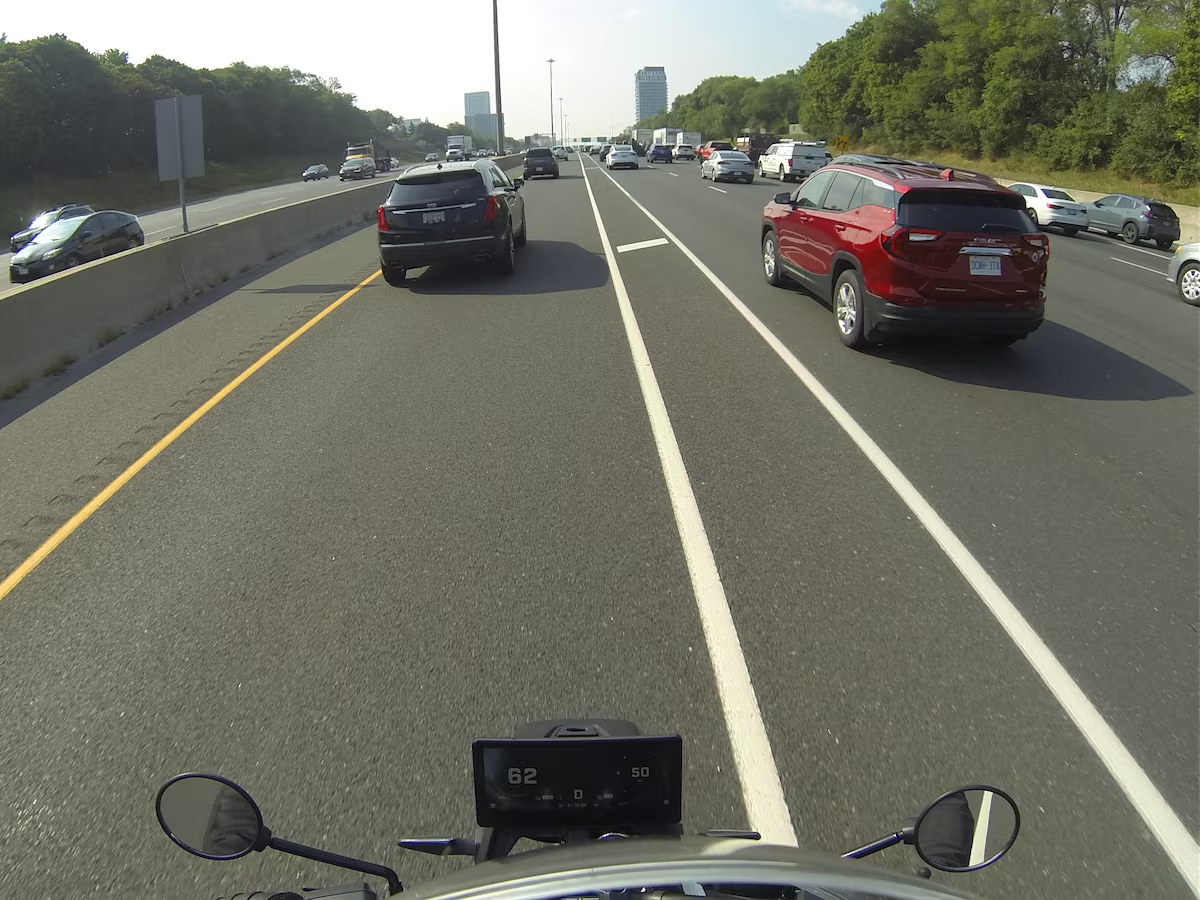
Experts suggest starting with motorcycles lane splitting at low speeds, better described as “lane-filtering.” This allows riders to move between stopped or very slow traffic, not between fast-moving vehicles. Advocates argue this controlled approach would reduce risk and ease congestion without overwhelming drivers.
David Grummett of the Expert Riders Academy believes public education would help drivers adjust. Signs and awareness campaigns could make filtering normal, just as drivers in California now expect motorcycles to pass. He suggests pilot projects using painted highway medians—spaces already wide enough for motorcycles. With speed limits, this could prove safe and practical.
Moving Forward
The case for motorcycles lane splitting rests on safety, efficiency, and reduced congestion. Yet the challenge lies in changing perceptions. Until Canadian drivers see motorcycles as legitimate parts of traffic, reforms will face resistance.
Pilot projects and gradual public education could provide a safe way forward. If done properly, lane-filtering may not only cut commute times but also improve rider safety. For now, though, Canada’s roads remain closed to a practice many riders believe could benefit everyone.