Understanding Canadian politics is essential for every citizen wishing to engage with their democracy effectively. From the federal to the provincial level, Canada’s political landscape is rich and diverse, shaped by unique historical developments and a commitment to parliamentary democracy. This article will help you navigate the intricacies of the Canadian political system, offering insights into its structure, key players, and how you can participate.
The Foundations of Canadian Politics
Canada operates as a parliamentary democracy and a constitutional monarchy. This means that while King Charles III is the head of state, real political power lies with the elected Parliament. The Prime Minister, who leads the party with the most seats in the House of Commons, is the head of government. This system of Canadian politics ensures accountability through regular elections and a robust opposition.
Federal Structure and Divisions
The federal government is responsible for matters of national importance, such as defence, foreign policy, and interprovincial trade. The House of Commons, where Members of Parliament (MPs) are elected to represent specific ridings, is the primary legislative body. The Senate, whose members are appointed, provides a chamber of sober second thought. This dual chamber system is a defining feature of Canadian politics.
Provincial and Territorial Governments
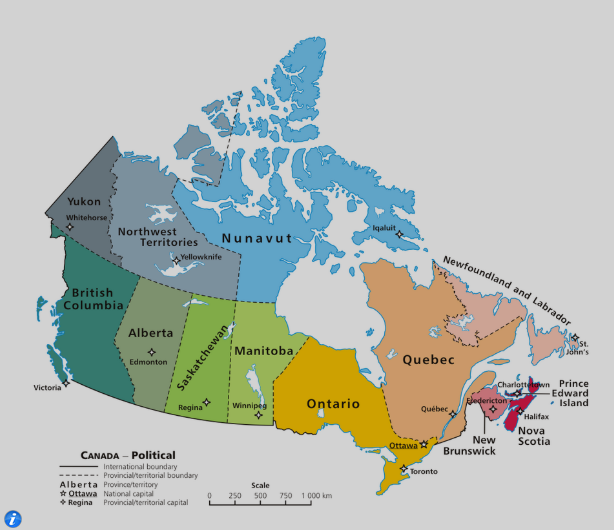
Parallel to the federal system are the provincial and territorial governments, each with its own premier and legislative assembly. These governments have jurisdiction over areas like education, healthcare, and natural resources, reflecting the decentralized nature of Canadian politics. The division of powers is outlined in the Canadian Constitution, ensuring a balance between national unity and regional autonomy.
Key Players in Canadian Politics: Parties and Leaders
The multi-party system is a cornerstone of Canadian politics, offering voters a range of choices and perspectives. Each party represents a distinct ideology and policy platform, vying for the support of the electorate.
Major Federal Political Parties
Currently, the dominant federal parties include:
- Liberal Party of Canada: Historically a centrist party, often associated with social programs and a strong federal government.
- Conservative Party of Canada: Typically advocates for fiscal conservatism, lower taxes, and individual liberty.
- New Democratic Party (NDP): A social democratic party focused on social justice, workers’ rights, and environmental protection.
- Bloc Québécois: Represents Quebec’s interests in the federal Parliament, advocating for greater autonomy for the province.
- Green Party of Canada: Primarily focused on environmental issues and sustainable development.
These parties, along with smaller regional parties, contribute to the dynamic nature of Canadian politics. Understanding their platforms is crucial for informed voting.
The Role of the Prime Minister
The Prime Minister is the most powerful figure in Canadian politics. As the leader of the governing party, they play a crucial role in shaping policy, appointing cabinet ministers, and representing Canada on the international stage. Their leadership significantly influences the direction of the country. For more on the Prime Minister’s role, you can visit the Parliament of Canada website.
Participating in Canadian Politics: Your Voice Matters
Active civic participation is vital for a healthy democracy. There are numerous ways for citizens to engage with Canadian politics beyond just casting a ballot.
Voting and Elections
The most fundamental form of participation is voting in federal, provincial, and municipal elections. By exercising your right to vote, you directly influence who represents you and makes decisions on your behalf. Understanding the electoral process, including voter registration and identifying your riding, is a key step.
Beyond the Ballot Box
Engagement extends far beyond election day. Consider:
- Contacting your elected representatives: Share your opinions and concerns with your MP or MLA. They are there to represent your interests.
- Attending public meetings: Many political bodies hold public consultations or town halls where you can voice your views.
- Volunteering for campaigns: Support the party or candidate you believe in by volunteering your time.
- Joining advocacy groups: Organizations focused on specific issues often lobby governments and raise public awareness.
- Staying informed: Follow reputable news sources and critically analyze political discourse. For information on local government, consider exploring your municipality’s official website. (e.g., City of Toronto)
By actively participating in these ways, you contribute to the ongoing dialogue and evolution of Canadian politics. Your engagement helps ensure that diverse perspectives are heard and considered in the policy-making process. The strength of Canadian politics lies in the informed and active involvement of its citizens.
Challenges and Future of Canadian Politics
Like any democratic system, Canadian politics faces ongoing challenges. These include addressing issues like climate change, economic inequality, reconciliation with Indigenous peoples, and maintaining national unity amidst regional differences. The ability of the political system to adapt and respond to these challenges will determine its future trajectory. Debates surrounding electoral reform, national unity, and the role of the federal government continue to shape the discourse in Canadian politics.
In conclusion, a nuanced understanding of Canadian politics empowers citizens to be more effective participants in their own governance. By recognizing the structure, key players, and avenues for engagement, individuals can contribute to a vibrant and responsive democracy.