A major Norwegian investment has begun reshaping South Africa’s energy landscape through a $75 million commitment targeting renewable power expansion. The financing supports an ambitious pipeline of solar and wind projects as the country attempts to stabilize its electricity supply and transition away from long-term dependence on coal. Because South Africa struggles with frequent power shortages and an aging grid, the investment arrives at a moment of urgency for communities, businesses and policymakers. It also reflects growing global interest in Africa’s clean-energy market, where demand continues rising as countries accelerate their energy transitions.
Why the Norwegian Investment Matters
The $75 million injection strengthens one of South Africa’s largest renewable-energy developers, allowing it to scale projects already under construction and prepare new ones for grid integration. The developer’s portfolio includes operational plants, active construction sites and long-term proposals that align with national energy goals. The funding is expected to increase clean-power capacity, support local industries and reduce pressure on the national grid.
Additionally, the investment marks a strategic partnership between a Norwegian state-backed fund and a South African energy company. It signals international confidence in South Africa’s renewable-energy sector and demonstrates how global funds increasingly view African markets as viable destinations for green-infrastructure finance.
Impact on South Africa’s Power Landscape
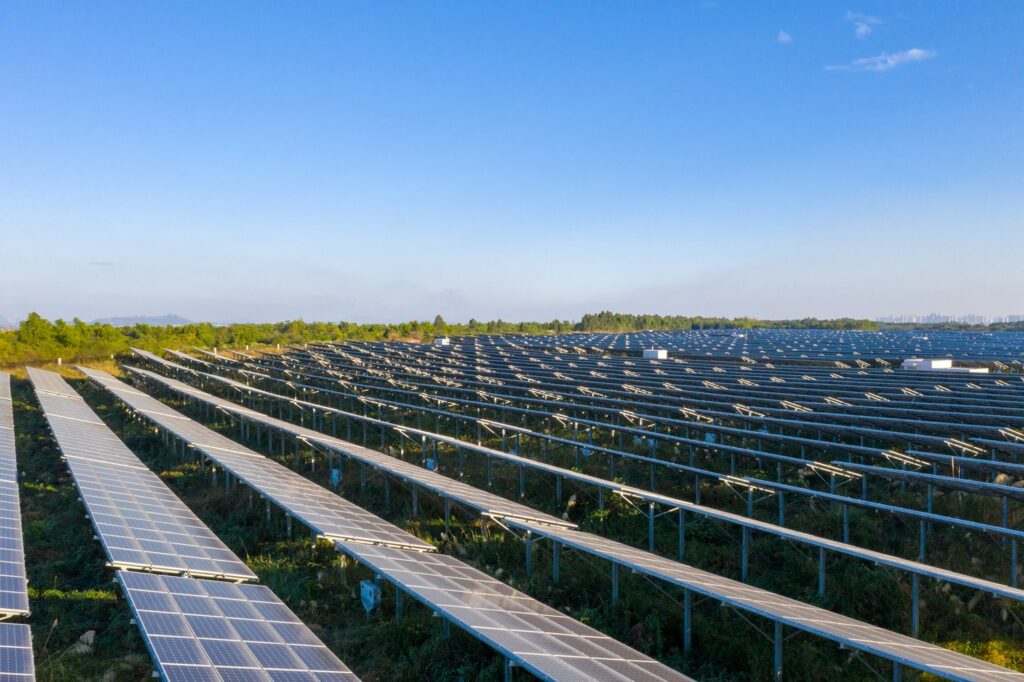
South Africa’s electricity system continues facing supply shortages caused by years of limited maintenance, aging coal plants and operational failures. Therefore, expanding renewable capacity is now essential for stabilizing the grid. The new investment supports solar and wind facilities designed to deliver consistent, predictable output. These projects contribute to reducing load-shedding, lowering carbon emissions and improving energy reliability.
Furthermore, renewable-energy construction boosts local employment by creating opportunities in engineering, logistics, environmental monitoring and on-site operations. Communities near project sites often benefit from infrastructure upgrades, training programs and economic activity generated by construction work.
How the Investment Strengthens Renewable Development
The Norwegian funding provides capital for several stages of the energy-project cycle. Early-stage development becomes more secure because financial backing speeds up planning and environmental assessments. Construction benefits from improved supply-chain reliability, faster procurement and better access to advanced technology. Once operational, plants use modern control systems, efficient turbines and high-capacity solar modules to maximize electricity output.
Moreover, the partnership encourages knowledge transfer between European and South African energy specialists. This supports long-term capability building in project design, grid integration, operations and maintenance.
Economic and Social Benefits
The investment supports broader goals within South Africa’s economic reconstruction efforts. By strengthening energy security, it improves the business environment for mining, manufacturing and services. Lower disruption risks help companies plan production more effectively, boosting investor confidence.
Social benefits extend beyond employment. Renewable plants reduce environmental harm caused by traditional coal generation. Cleaner air supports public health, while predictable power supply improves education, healthcare and economic opportunities in affected regions.
Challenges and Future Priorities
Despite strong progress, several challenges remain. South Africa’s grid infrastructure requires modernization to handle rising renewable-energy volumes. Transmission gaps in key regions slow project delivery. Additionally, policy clarity is needed to encourage more private-sector investment and accelerate licensing.
Nevertheless, the Norwegian investment strengthens momentum for future expansion. It demonstrates that well-structured renewable-energy projects in South Africa can attract large-scale international capital. As global demand for clean energy rises, South Africa is well-positioned to become a major hub for green investment, provided structural reforms continue.
South Africa’s partnership with the Norwegian fund represents more than a financial deal. It reflects a strategic alignment focused on long-term sustainability, industrial development and cleaner energy. If supported by continued policy adjustments and infrastructure upgrades, this investment could help reshape the country’s energy future.