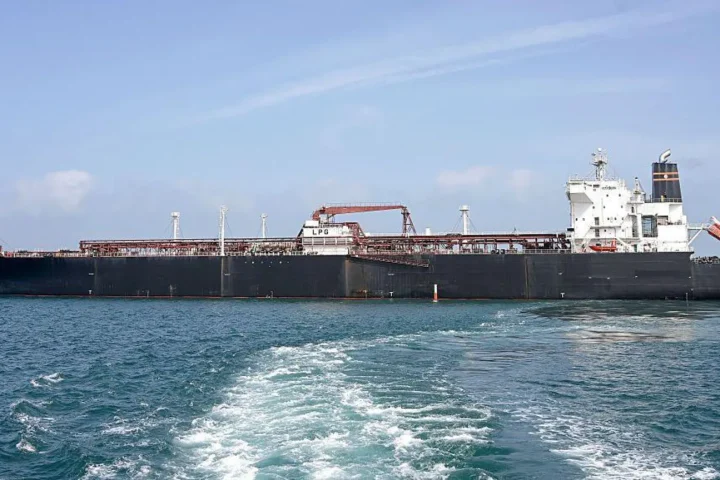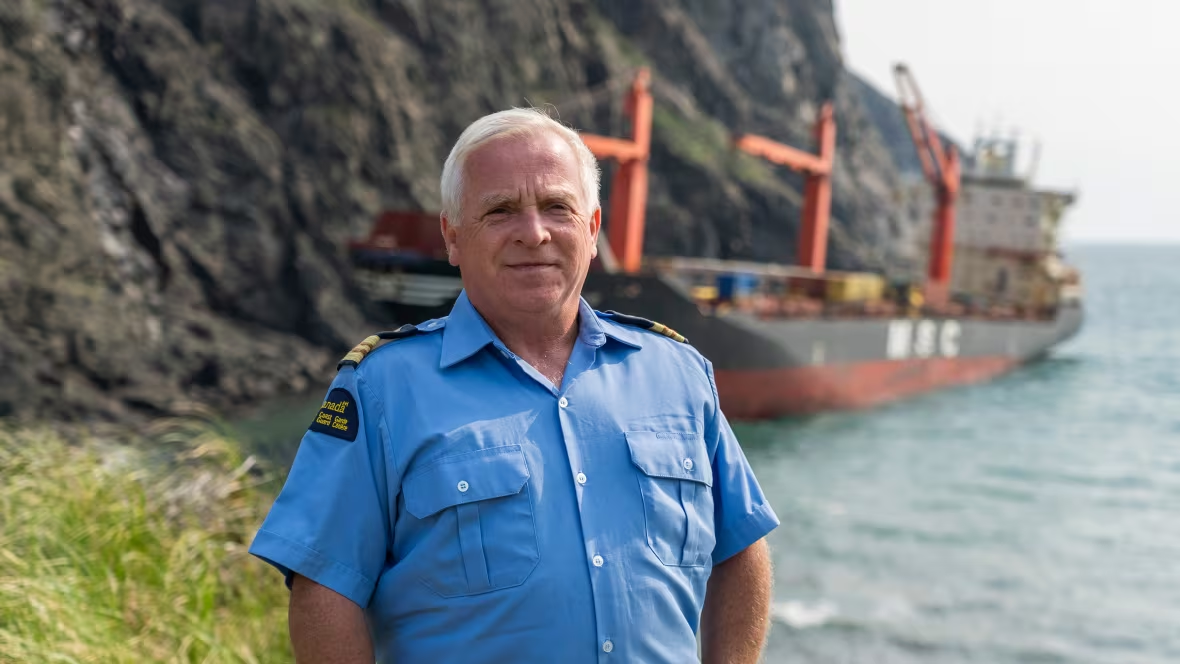
The Remove Heavy Oil MSC Baltic III operation has become one of Canada’s largest maritime recovery missions in decades. The 207-metre cargo vessel ran aground at Cedar Cove, Newfoundland, in February with 1,600 tonnes of heavy fuel oil and 472 cargo containers.
From Rescue to Recovery
When the MSC Baltic III lost power during fierce winter winds, its crew could not drop anchor. Instead, the ship drifted into a sheltered cove. This location allowed the Canadian Coast Guard to evacuate all 20 crew members without injury. Senior response officer Bruce English described it as the largest and most complex incident of his 30-year career.
Although the ship carried goods ranging from textiles to whiskey, the heavy fuel oil created the most urgent risk. Officials and cleanup crews aimed to remove the oil quickly, especially with hurricane season approaching.
The Complex Cleanup Process
Crews have already removed 90% of the fuel. Environment and Climate Change Canada oversees each step to ensure safety and compliance. Workers heat the thick oil with steam for up to seven days, pump it into deck tanks, transfer it to barges, and then move it onto another vessel for disposal.
Tarballs — small clumps of oil — have appeared on nearby beaches. Environmental teams collect and analyze these samples to determine which onboard tanks might be leaking. According to senior environmental officer Mark Dalton, even small amounts of hydrocarbon can harm marine food chains, from insects to fish and birds.
Local and Indigenous Concerns
Fishing families depend on these waters. Local fisherman Jeff Childs warns that the site sits in prime lobster territory. If storms arrive before crews finish, he fears that remaining oil could spill and devastate the area.
The Qalipu First Nation has pressed to participate in the cleanup. Chief Jennifer Brake emphasizes that an oil spill would destroy food sources and traditions that communities have relied on for generations.
Economic and Tourism Impact
While crews work on the Remove Heavy Oil MSC Baltic III project, Cedar Cove has drawn curious visitors. Tourists have boosted sales for local restaurants and hotels. However, residents and officials remain focused on removing the last of the oil and securing the ship.
The mission will continue until teams either refloat the vessel or dismantle it at the site. Everyone involved aims to finish before severe weather increases the risk of an environmental disaster.