Choosing between a sedan and an SUV is one of the most common dilemmas car buyers face today. Both vehicle types have evolved significantly, offering advanced technology, improved safety features, and better fuel efficiency than ever before. However, sedans and SUVs are designed with different priorities in mind, making each better suited to specific lifestyles, budgets, and driving conditions.
This in-depth comparison explores sedan vs SUV across performance, fuel economy, comfort, safety, cost, practicality, and long-term value to help you decide which vehicle is right for you.
Understanding the Difference Between a Sedan and an SUV
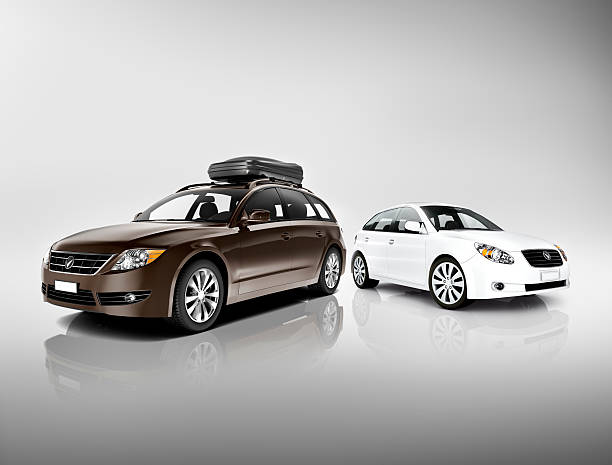
A sedan is a passenger car with a low ride height, three-box design (engine, cabin, trunk), and typically seats four to five people. Sedans are known for smooth handling, efficiency, and comfort.
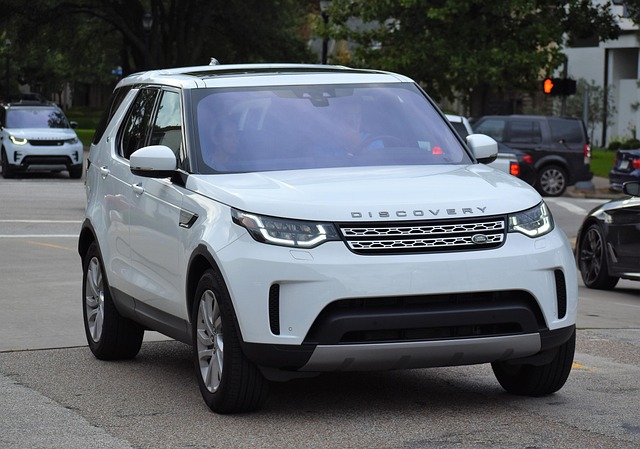
An SUV (Sport Utility Vehicle) features a higher ground clearance, larger body, and often offers all-wheel or four-wheel drive. SUVs are designed for versatility, space, and the ability to handle rougher roads.
also check generalodhiambo
Performance and Driving Experience
Sedan Performance
Sedans generally provide a more refined and engaging driving experience. Their lower center of gravity allows for:
- Better handling and cornering
- Smoother highway cruising
- Easier maneuverability in traffic
Sport-oriented sedans such as performance trims from BMW, Audi, or Toyota deliver impressive acceleration and responsiveness.
SUV Performance
SUVs prioritize power and stability over agility. They offer:
- Higher torque for towing
- Better performance on uneven roads
- Enhanced confidence in poor weather conditions
However, SUVs tend to feel heavier and less nimble compared to sedans, especially in urban driving.
Verdict:
Sedans are better for smooth, sporty driving, while SUVs excel in versatility and challenging road conditions.
Fuel Efficiency and Running Costs
Sedan Fuel Economy
Sedans are generally lighter and more aerodynamic, resulting in:
- Better fuel efficiency
- Lower fuel expenses
- Reduced emissions
Hybrid sedans further improve fuel savings, especially for city driving.
SUV Fuel Economy
SUVs consume more fuel due to their size and weight. While modern SUVs have become more efficient, especially hybrid models, they still lag behind sedans in most cases.
Maintenance and tire replacement costs also tend to be higher for SUVs.
Verdict:
If fuel economy and lower running costs are a priority, sedans are the clear winner.
Interior Comfort and Passenger Space
Sedan Interior
Sedans offer:
- Comfortable seating for daily commutes
- Quieter cabins due to lower wind resistance
- Better ride comfort on paved roads
However, rear headroom and legroom may be limited in compact models.
SUV Interior
SUVs are designed for space and flexibility:
- Higher seating position improves visibility
- More headroom and legroom
- Foldable rear seats for extra cargo
Families and taller passengers often prefer SUVs for their spacious interiors.
Verdict:
SUVs provide more space and flexibility, while sedans offer a cozier and more refined ride.
Cargo Capacity and Practicality
Sedan Cargo Space
Sedans typically have enclosed trunks that:
- Secure luggage
- Are ideal for groceries and daily items
However, trunk space is limited compared to SUVs.
SUV Cargo Space
SUVs excel in cargo capacity:
- Larger boot space
- Easy loading due to higher roof
- Suitable for travel, sports gear, and family use
This makes SUVs ideal for road trips and active lifestyles.
Verdict:
SUVs clearly outperform sedans in cargo space and practicality.
Safety and Road Presence
Sedan Safety
Modern sedans are equipped with advanced safety features such as:
- Automatic emergency braking
- Lane-keeping assist
- Adaptive cruise control
Their lower profile also reduces rollover risk.
SUV Safety
SUVs offer:
- Better visibility due to height
- Strong road presence
- Advanced driver assistance systems
However, SUVs have a higher rollover risk compared to sedans, though modern stability systems have significantly reduced this issue.
Verdict:
Both vehicle types are safe, but sedans are more stable while SUVs provide better visibility and road confidence.
Cost and Affordability
Sedan Pricing
Sedans are generally:
- More affordable to purchase
- Cheaper to insure
- Less expensive to maintain
They offer excellent value for budget-conscious buyers.
SUV Pricing
SUVs tend to be:
- More expensive upfront
- Costlier to insure
- Higher maintenance costs
Despite this, many buyers are willing to pay more for the added space and versatility.
Verdict:
Sedans offer better affordability, while SUVs justify their higher cost with added utility.
Urban vs Rural Driving
Sedans in the City
Sedans are ideal for urban environments due to:
- Easy parking
- Better maneuverability
- Lower fuel consumption
SUVs in Rural Areas
SUVs are better suited for:
- Rough or unpaved roads
- Flood-prone areas
- Long-distance travel with cargo
Verdict:
Sedans are perfect for city driving, while SUVs excel in rural and mixed terrain conditions.
Resale Value and Longevity
SUVs often have higher resale value due to strong market demand. Sedans, while reliable, have seen declining popularity in some markets.
Brands known for reliability tend to hold value well regardless of body style.
Verdict:
SUVs generally retain value better, but well-maintained sedans still offer strong long-term reliability.
Environmental Impact
Sedans typically have:
- Lower emissions
- Better fuel efficiency
SUVs contribute more emissions unless they are hybrid or electric.
As electric SUVs become more common, this gap is narrowing.
Verdict:
Sedans are more environmentally friendly, though electric SUVs are changing the landscape.
Who Should Buy a Sedan?
Sedans are best for:
- Daily commuters
- Budget-conscious buyers
- City drivers
- Those who prioritize fuel efficiency and comfort
Who Should Buy an SUV?
SUVs are ideal for:
- Families
- Frequent travelers
- Drivers in rural or rough road areas
- Buyers who need cargo space and versatility
Final Verdict: Sedan vs SUV – Which Is Better?
There is no universal winner in the sedan vs SUV debate. The right choice depends on your lifestyle, driving environment, and budget.
- Choose a sedan if you value affordability, fuel efficiency, and smooth driving.
- Choose an SUV if you need space, flexibility, and the ability to handle varied road conditions.
Both vehicle types offer excellent options in today’s market, ensuring that buyers can find a car that fits their needs perfectly.