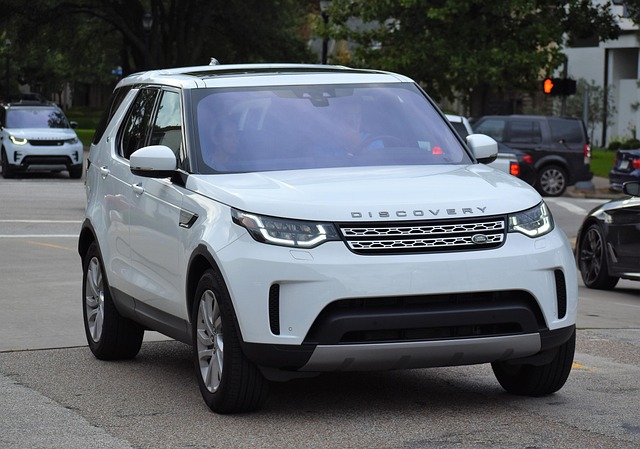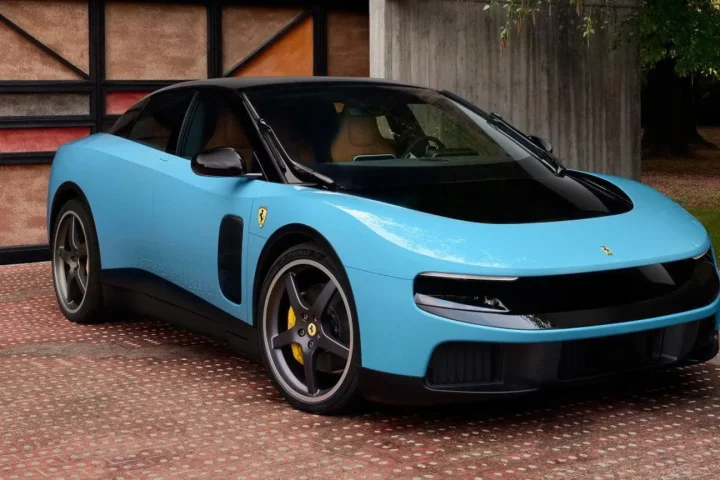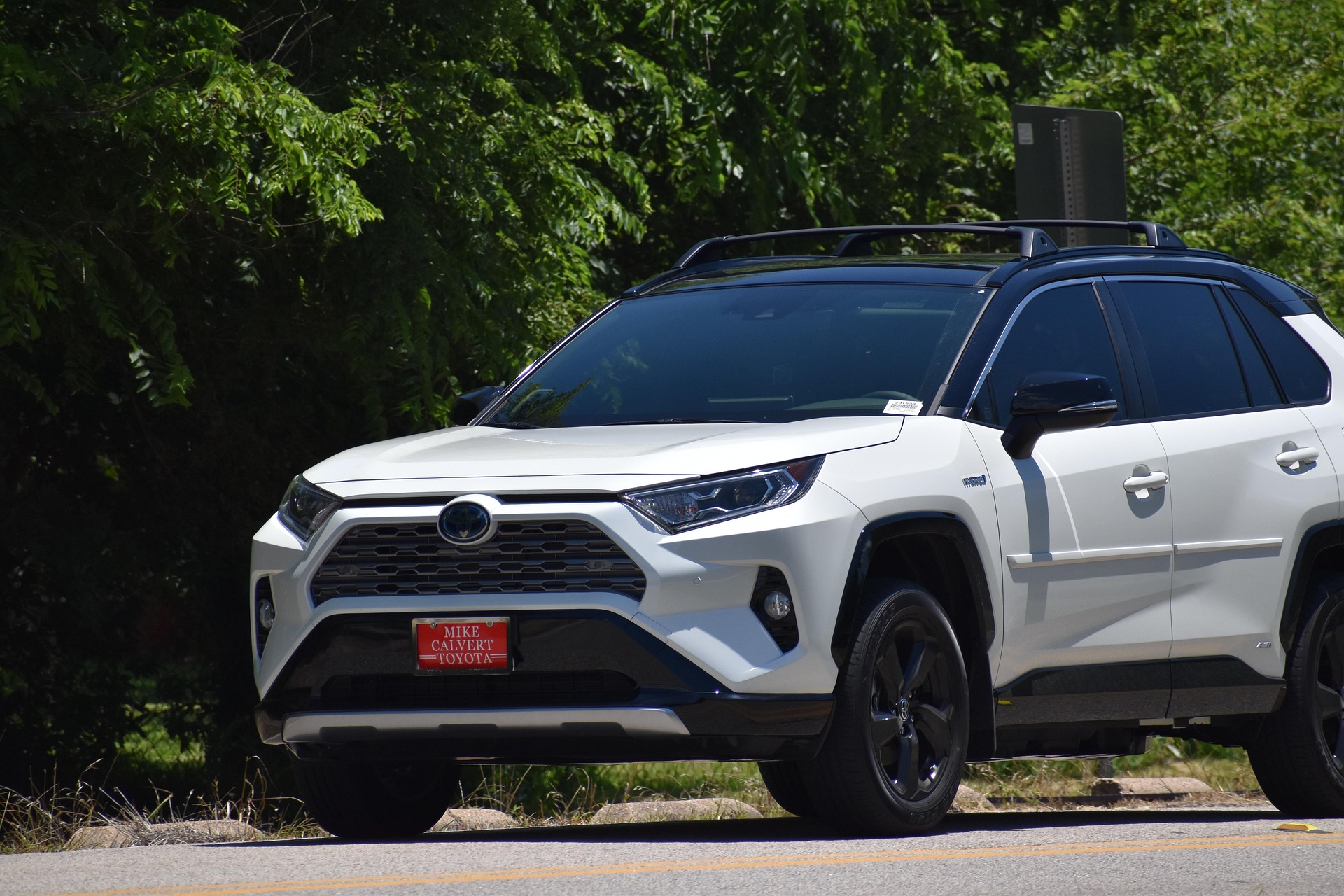
The automotive market has evolved rapidly over the past two decades, introducing new vehicle categories that blur traditional lines. One of the most common sources of confusion among car buyers today is the difference between an SUV and a crossover. While the two may look similar at first glance, they are designed with different engineering principles and serve different driving needs.
This in-depth SUV vs crossover comparison explores performance, comfort, fuel efficiency, safety, cost, and practicality to help you choose the vehicle that best fits your lifestyle and budget.
Also check generalodhiambo
Understanding the Difference Between SUVs and Crossovers
A traditional SUV (Sport Utility Vehicle) is built on a body-on-frame platform, similar to a pickup truck. This design emphasizes durability, towing capability, and off-road performance.
A crossover (CUV – Crossover Utility Vehicle) is built on a unibody platform, shared with passenger cars. Crossovers prioritize comfort, efficiency, and everyday usability.
Although modern designs make them look alike, the engineering underneath is what truly separates SUVs from crossovers.
Platform and Construction
SUV Construction
SUVs use a body-on-frame design, which offers:
- Higher towing capacity
- Better durability for rough terrain
- Increased load-bearing strength
However, this construction results in:
- Heavier weight
- Lower fuel efficiency
- A stiffer ride
Crossover Construction
Crossovers use a unibody design, which provides:
- Lighter overall weight
- Improved fuel economy
- Better handling and ride comfort
This makes crossovers more suitable for daily commuting and urban driving.
Verdict:
SUVs are tougher and more capable off-road, while crossovers are more refined and efficient on paved roads.
Performance and Driving Experience
SUV Performance
SUVs are designed for power and capability:
- Strong torque for towing
- Better performance on rough or muddy roads
- Often equipped with four-wheel drive
However, SUVs feel larger and less agile, especially in city traffic.
Crossover Performance
Crossovers offer:
- Car-like handling
- Smooth acceleration
- Easier maneuverability
Most crossovers use all-wheel drive rather than full four-wheel drive, making them ideal for light off-road use and poor weather conditions.
Verdict:
Choose an SUV for strength and ruggedness; choose a crossover for comfort and easy driving.
Fuel Efficiency and Running Costs
Fuel economy is a major deciding factor for many buyers.
SUV Fuel Consumption
Due to their weight and size, SUVs:
- Consume more fuel
- Have higher emissions
- Cost more to run
Maintenance costs are also higher because of larger engines and heavy-duty components.
Crossover Fuel Consumption
Crossovers benefit from lighter construction:
- Better fuel efficiency
- Lower emissions
- Reduced maintenance costs
Hybrid and electric crossover options further enhance fuel savings.
Verdict:
Crossovers are known for better fuel efficiency and lower ownership costs.
Interior Comfort and Passenger Space
SUV Interior Space
SUVs offer:
- Upright seating positions
- Spacious cabins
- Ample legroom and headroom
Large SUVs can seat up to seven or eight passengers, making them ideal for big families.
Crossover Interior Space
Crossovers provide:
- Comfortable seating for five passengers
- Flexible cargo arrangements
- A more car-like interior feel
While slightly smaller than full SUVs, crossovers still offer practical space for most families.
Verdict:
SUVs win in maximum space, but crossovers offer plenty of room with better comfort.
Cargo Capacity and Practicality
SUV Cargo Capacity
SUVs are built for heavy-duty use:
- Large cargo areas
- High rooflines
- Suitable for hauling equipment and luggage
Crossover Cargo Capacity
Crossovers provide:
- Fold-flat rear seats
- Easy loading height
- Sufficient cargo space for everyday needs
They may not match SUVs in sheer volume but excel in usability.
Verdict:
SUVs handle heavy cargo better, while crossovers are more practical for daily life.
Off-Road Capability
SUVs Off-Road
Traditional SUVs are designed for off-road conditions:
- High ground clearance
- Low-range gearing
- Robust suspension systems
These features make SUVs ideal for rural areas, construction sites, and adventure driving.
Crossovers Off-Road
Crossovers can handle:
- Gravel roads
- Light trails
- Rain or snow conditions
However, they are not designed for extreme off-road environments.
Verdict:
SUVs dominate off-road driving; crossovers are better suited for mild terrain.
Safety Features and Technology
Both SUVs and crossovers come equipped with modern safety technology, including:
- Automatic emergency braking
- Lane-keeping assist
- Adaptive cruise control
SUV Safety
SUVs offer:
- High driving position
- Strong road presence
However, they have a higher center of gravity, increasing rollover risk.
Crossover Safety
Crossovers provide:
- Better handling stability
- Lower rollover risk
- Easier control at high speeds
Verdict:
Crossovers generally offer safer handling, while SUVs provide better visibility.
Cost, Insurance, and Maintenance
SUV Costs
SUVs are typically:
- More expensive to purchase
- Costlier to insure
- More expensive to maintain
Crossover Costs
Crossovers are:
- More affordable
- Cheaper to insure
- Less expensive to maintain
This makes crossovers attractive to budget-conscious buyers.
Verdict:
Crossovers deliver better value for money for most drivers.
Urban vs Rural Use
SUVs in Rural Areas
SUVs perform well in:
- Rural environments
- Poor road conditions
- Flood-prone areas
Crossovers in Urban Areas
Crossovers are ideal for:
- City driving
- Tight parking spaces
- Daily commuting
Verdict:
SUVs suit rural use, while crossovers are better for urban lifestyles.
Resale Value and Market Demand
Crossovers have gained massive popularity worldwide due to their versatility, leading to strong resale demand. Traditional SUVs also retain value, especially models with proven durability.
Verdict:
Both hold value well, but crossovers currently dominate consumer demand.
Environmental Impact
SUVs typically produce higher emissions due to fuel consumption. Crossovers, especially hybrids and EVs, are more environmentally friendly.
Verdict:
Crossovers are the greener option for most buyers.
Who Should Buy an SUV?
SUVs are ideal for:
- Off-road enthusiasts
- Large families
- Rural drivers
- Heavy towing needs
Who Should Buy a Crossover?
Crossovers are best for:
- Urban and suburban drivers
- Small to medium families
- Fuel-conscious buyers
- Daily commuters
Final Verdict: SUV vs Crossover
The SUV vs crossover debate comes down to usage and lifestyle.
- Choose an SUV if you need durability, towing power, and off-road capability.
- Choose a crossover if you want comfort, fuel efficiency, and everyday practicality.
For most modern drivers, crossovers offer the best balance of performance, comfort, and cost, while SUVs remain essential for demanding conditions.