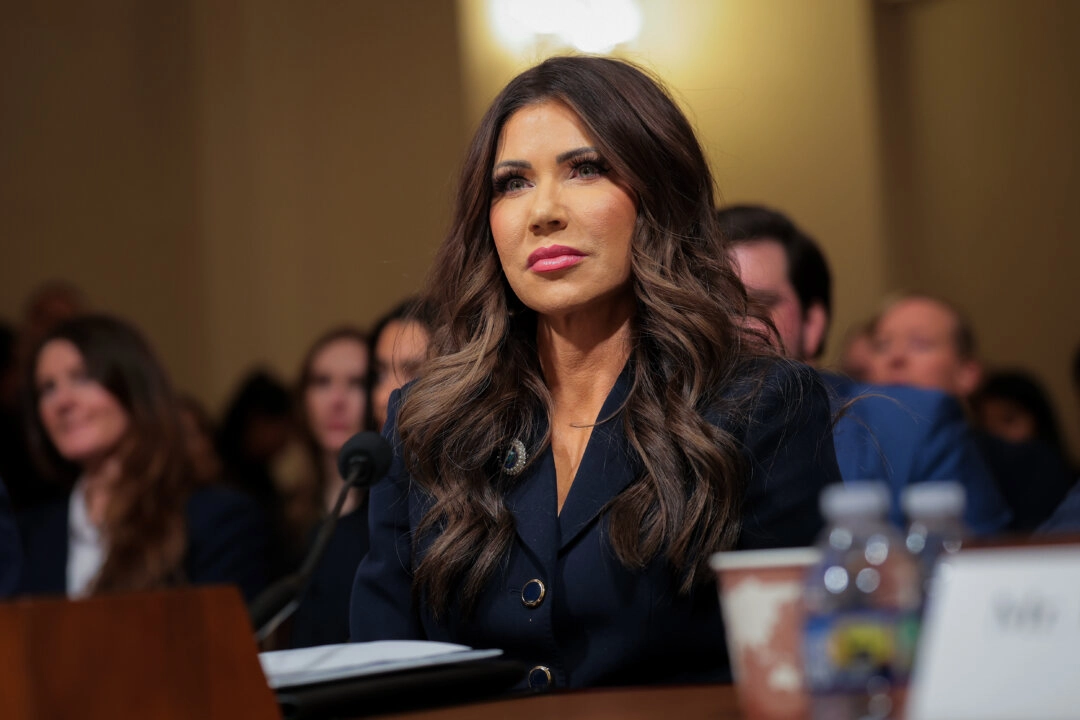
On January 13, 2026, the Trump administration made a significant move by ending Temporary Protected Status (TPS) for Somali nationals in the United States, a policy that had been in place for over 30 years. The decision, announced by Homeland Security Secretary Kristi Noem, signals a shift in the administration’s approach to immigration and foreign relations. Under TPS, Somali nationals were granted temporary protection in the U.S. due to the ongoing conflict and instability in Somalia, but with the country’s conditions purportedly improving, the administration believes it is time to revoke this status.
This article will explore the reasoning behind the policy shift, the impact on Somali nationals in the U.S., and the broader implications for U.S. immigration law.
The End of Temporary Protection for Somalis
Temporary Protected Status was first granted to Somali nationals in 1991 due to the civil war and deteriorating conditions in the country. Initially, TPS allowed Somali nationals to stay in the U.S. as refugees from war, and the status was repeatedly extended by various administrations in response to Somalia’s unstable security and humanitarian conditions.
However, on January 13, 2026, Secretary Kristi Noem declared that the situation in Somalia had improved significantly, thus no longer meeting the legal requirements for TPS. According to Noem, “Temporary means temporary,” emphasizing that the protections were never intended to be permanent. The Trump administration’s argument is that continuing to grant TPS to Somali nationals in the U.S. is no longer justified, particularly as the country’s situation has stabilized enough to allow citizens to return.
There are currently 2,471 Somali nationals in the U.S. with TPS status, with an additional 1,383 individuals awaiting approval. The decision to terminate TPS will impact these individuals, many of whom have lived in the U.S. for years, building lives and contributing to their communities.
The Reversal from the Biden Administration’s Extension
In 2024, the Biden administration extended TPS for Somali nationals through March 2026, citing “the ongoing armed conflict and extraordinary and temporary conditions” in Somalia. During this time, the U.S. Department of Homeland Security (DHS) noted that Somalia continued to experience widespread insecurity due to armed conflict, terrorism, and natural disasters, including severe flooding that exacerbated food insecurity and humanitarian needs.
Despite the Biden administration’s extension of TPS in 2024, the Trump administration’s decision to end the program signals a sharp departure from its predecessor’s approach. The shift is particularly controversial given the ongoing violence in Somalia, which has displaced millions of civilians and continues to strain international relief efforts.
Impact on Somali Nationals in the U.S.
The immediate effect of this policy change will be felt by the 2,471 Somali nationals with TPS in the U.S., along with the thousands more who have pending applications. These individuals, many of whom have been in the U.S. for decades, will now face the risk of deportation, leaving them in a state of uncertainty.
Many of these Somali nationals have established families, careers, and lives in the U.S. and have become integral members of their local communities. The sudden loss of TPS status could disrupt their lives, potentially leading to separation from family members and the loss of employment opportunities.
Further, critics of the decision argue that the situation in Somalia, though improved, remains volatile, particularly in regions controlled by militant groups like Al-Shabaab. The U.S. government’s decision to end TPS is seen by some as an unfair treatment of refugees who have relied on the protections of the American legal system.
The Broader Implications for U.S. Immigration Policy
The decision to end TPS for Somali nationals is not an isolated event. It reflects a broader pattern in the Trump administration’s immigration policy, which has aimed at limiting legal protections for immigrants and tightening enforcement measures. Secretary Noem’s comments echo the administration’s stance on prioritizing American citizens over immigrants, claiming that continued protection for Somali nationals is contrary to U.S. national interests.
This decision also comes at a time when allegations of fraud have emerged concerning Somali nationals in Minnesota, a state with a large Somali population. President Donald Trump and Secretary Noem have both expressed concerns about fraud and criminal activity linked to Somali nationals, which has only fueled the administration’s determination to end TPS.
Despite legal challenges from various organizations, including court rulings that have temporarily blocked TPS terminations for other countries, the Trump administration appears steadfast in its policy shift. The ongoing debate over TPS and its impact on vulnerable populations highlights the tensions between immigration policy, national security, and humanitarian concerns.
What Lies Ahead for Somali Nationals in the U.S.
As the Trump administration moves forward with ending TPS for Somali nationals, the future remains uncertain for many of those impacted. Legal challenges are expected, with advocates arguing that the decision to revoke TPS for Somalia is premature and unjustified given the ongoing insecurity in the country.
Somali nationals who are set to lose their status may face the difficult choice of returning to a still-unstable homeland or remaining in the U.S. without legal protection. The outcome of these cases could set a precedent for other nations with similar TPS statuses, potentially affecting thousands of other immigrants in the U.S.
The decision to end Temporary Protected Status for Somali nationals marks a significant shift in U.S. immigration policy under the Trump administration. While the administration argues that Somalia’s conditions have improved, critics maintain that the situation in the country remains fragile. The move is expected to have serious consequences for Somali nationals in the U.S., many of whom have lived in the country for decades and have built their lives here. As legal challenges loom and the debate over TPS continues, the broader implications of this decision will shape future U.S. immigration policies.