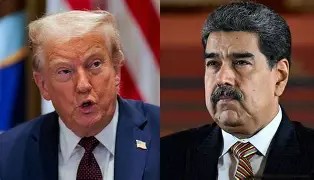
The dramatic capture of Venezuelan leader Nicolás Maduro on January 3, 2026, marks a pivotal moment in the country’s tumultuous political history. U.S. President Donald Trump, who has long sought to remove Maduro from power, has now threatened a second military strike on Venezuela if its remaining leaders “do not behave.” While the world celebrates the removal of an authoritarian leader, the real challenges begin now as Venezuela faces a complex transition. The country is left in a fragile state, and the question of what happens next is far from settled. This article explores the fallout from Maduro’s capture, the potential risks of further U.S. intervention, and the long road to recovery that lies ahead for Venezuela.
The Operation: Swift, Precise, and Strategic
On the morning of January 3, 2026, U.S. special forces launched a highly coordinated military operation in Caracas, aimed at apprehending Nicolás Maduro and dismantling the core of his regime. The operation, which took place in the early hours, lasted under 30 minutes and involved airstrikes targeting strategic infrastructure, including ports, cell towers, and military sites. The capture of Maduro and his wife, Cilia Flores, was swift, with no U.S. casualties reported.
The U.S. has charged Maduro with a range of serious offenses, including narco-terrorism, cocaine importation, and the possession of destructive devices intended for use against the United States. Maduro is currently being held in the Metropolitan Detention Center in Brooklyn, where he faces arraignment on January 5, 2026. This operation, executed with precision, represents the culmination of years of tension between the U.S. and the Maduro regime.
Trump’s Stark Warning: A Second Strike Possible
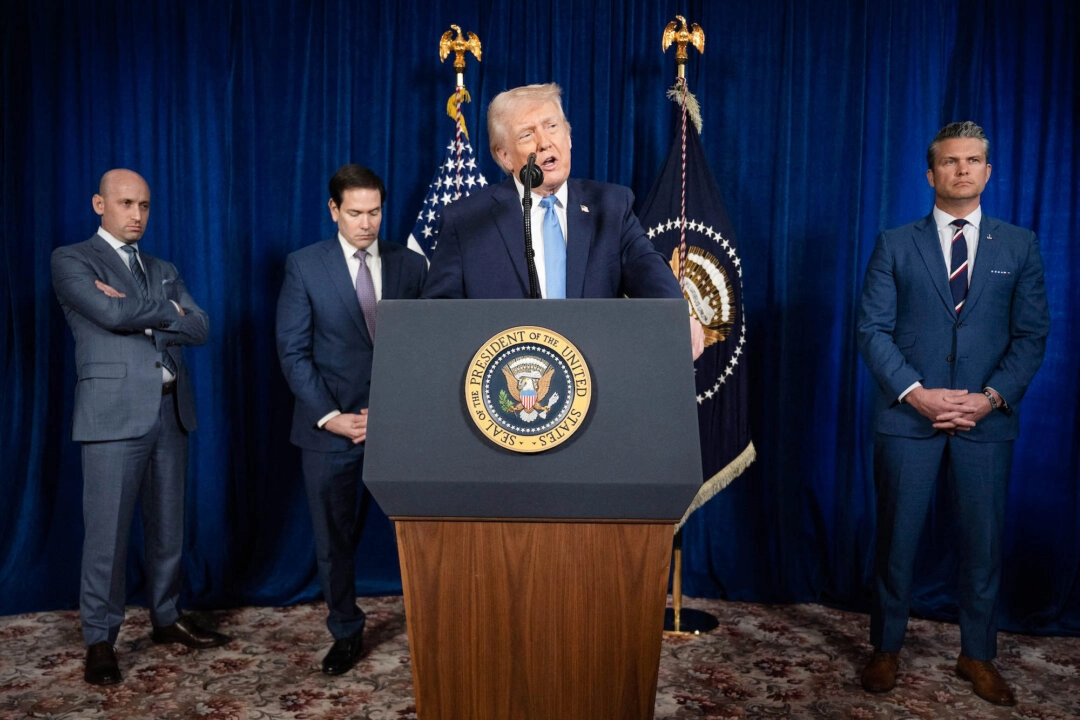
In the aftermath of the operation, President Trump spoke to reporters aboard Air Force One, making it clear that the U.S. is prepared to escalate its actions if necessary. “We’re prepared to do a second strike if we need it. We’re totally prepared,” Trump declared, underscoring the seriousness of the U.S. commitment to shaping Venezuela’s future. This warning was directed not only at the Venezuelan government but also at any factions or figures that might attempt to resist U.S. influence during the transition.
While Trump’s rhetoric is forceful, it raises serious questions about the long-term consequences of such threats. A second military strike could lead to further destabilization, not only in Venezuela but across the broader Latin American region. The risk of a prolonged conflict, coupled with a fractured military and ongoing criminal activities, makes the future uncertain.
Venezuela’s Interim Leadership: Delcy Rodríguez Takes the Helm
Following Maduro’s removal, Delcy Rodríguez, Venezuela’s former vice president, has been appointed as the country’s interim leader. Rodríguez, who was a loyal ally to Maduro, initially condemned the U.S. intervention. However, in a surprising shift, she has signaled a willingness to cooperate with the U.S. government. This marks a critical turning point for Venezuela, as Rodríguez’s ability to navigate the complex political landscape will determine the future of the country.
Rodríguez’s leadership is contested within Venezuela. While she is seen by some as a figure capable of holding the government together, others worry about her ties to the old regime and the military’s continued influence. The question remains whether she can unite a fractured opposition, manage the deep divisions in the country, and steer Venezuela towards a more democratic and stable future.
Rebuilding Venezuela: A Long Road Ahead
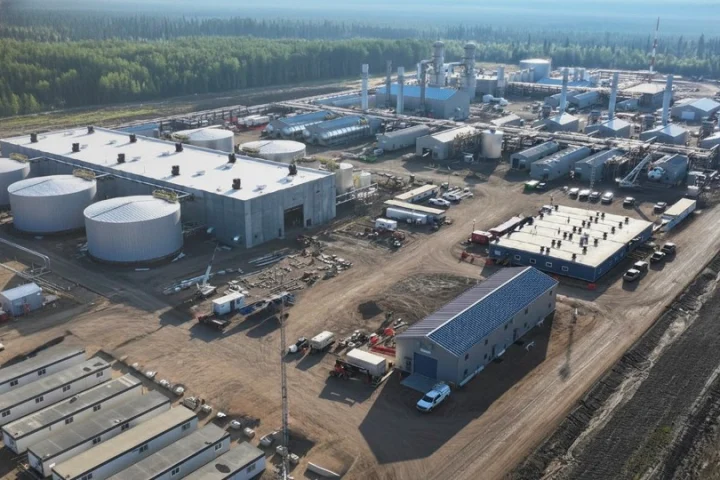
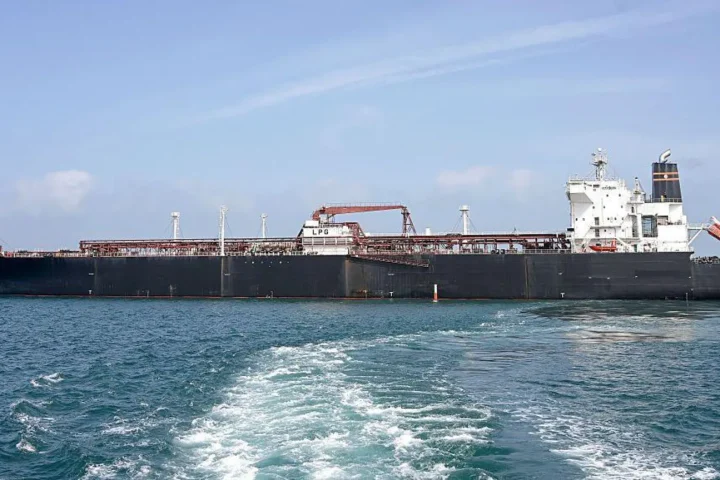
Even with Maduro gone, the road to rebuilding Venezuela’s economy and political system is fraught with obstacles. The country’s infrastructure has been decimated by years of mismanagement, corruption, and sanctions. The oil industry, once the backbone of Venezuela’s economy, is in tatters, with production at an all-time low. Rebuilding will require massive investments, not only from U.S. oil companies but from international partners as well.
Venezuela’s economic collapse has left the country grappling with hyperinflation, food and medicine shortages, and widespread poverty. The U.S. has promised to help rebuild Venezuela’s infrastructure, but the question remains whether the country’s fragile political situation will allow for the kind of recovery needed to restore basic services and economic stability.
The Military and Criminal Groups: Major Obstacles to Stability
One of the biggest challenges in Venezuela’s transition will be dealing with the entrenched military and criminal groups that have flourished under Maduro’s regime. The Venezuelan military, which has long been a key ally of Maduro, still holds significant power in the country. While some military leaders may be open to change, others may resist any shift in power that threatens their influence.
Furthermore, Venezuela’s relationship with organized crime, particularly in the drug trade, has been a critical factor in Maduro’s ability to maintain control. These criminal organizations, with deep ties to the government, pose a serious threat to any future leadership. Disbanding or neutralizing these groups will be a monumental task that requires coordinated efforts from both the Venezuelan government and international allies.
Trump’s Leadership: Navigating a Complex Transition
President Trump’s role in Venezuela’s transition will be pivotal. While the U.S. has promised to oversee the country’s recovery, the challenges of managing such a massive and complex country are immense. Trump has emphasized the importance of restoring Venezuela’s oil infrastructure, but rebuilding the country will require much more than just oil investment. The U.S. will need to address the country’s political, social, and economic issues if Venezuela is to recover from years of devastation.
The military’s role will continue to be a key factor. While some members of the military may support a democratic transition, others may resist or seek to take control for themselves. The U.S. will need to carefully manage these dynamics to avoid further violence or instability.
The International Response and Geopolitical Implications
The international response to the U.S. intervention in Venezuela has been mixed. While many Latin American countries have supported the removal of Maduro, others—particularly Russia and China—have condemned U.S. involvement. These countries have long been allies of Maduro’s regime and may view the U.S. actions as an attempt to impose its influence over the region.
The geopolitical consequences of Venezuela’s transition will likely extend far beyond its borders. As the U.S. seeks to stabilize Venezuela, it will need to navigate complex relationships with neighboring countries and global powers. The risk of further conflict, particularly if the military or criminal groups resist the transition, could lead to instability in the region.
A Fragile Future for Venezuela
The removal of Nicolás Maduro represents a significant turning point in Venezuela’s history. While celebrations have erupted worldwide, the true challenges lie ahead. The road to rebuilding Venezuela will be long and uncertain, with numerous obstacles standing in the way of recovery. The U.S. is playing a central role in Venezuela’s transition, but whether the country can overcome its political divisions, economic collapse, and criminal elements remains to be seen. As President Trump continues to assert U.S. control, the world will be watching closely to see how Venezuela navigates this precarious moment in its history.