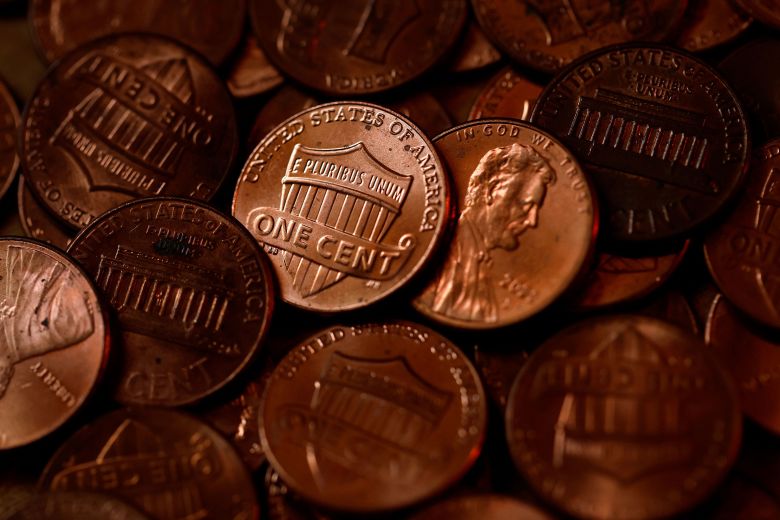
In a historic move, the United States will mint its last penny on Wednesday, marking the end of over 230 years of penny production. The decision, announced by the Philadelphia Mint, follows a growing debate over the increasing cost of producing the coin, which now costs nearly four cents to make.
Why the Penny Is Being Phased Out
The penny, which has been in circulation since 1793 and features the image of Abraham Lincoln, has become increasingly expensive to produce. The Treasury Department estimates the production cost has more than doubled in the past decade, with each penny now costing the government around four cents. The US government expects that ending production will save about $56 million annually.
Impact on Businesses and Consumers
Though the penny will continue to circulate, the move has already prompted businesses to start adjusting prices. As pennies become harder to find, some retailers are expected to round prices, potentially increasing costs for consumers. A study by the Richmond Federal Reserve predicts that this adjustment could cost shoppers an estimated $6 million annually.
Global Trends in Coin Retirements
The US joins a growing number of countries that have phased out low-value coins. Canada stopped minting pennies in 2012, and both Australia and New Zealand retired their smaller coins in the 1990s. Meanwhile, the UK halted production of its smaller denominations in 2024, acknowledging the shift towards digital transactions.
What’s Next for US Coinage?
Following the penny, attention is turning to the nickel, which costs nearly 14 cents to make, a much larger discrepancy compared to its face value. Although retiring the nickel would have a bigger financial impact, discussions around its future are expected to continue.