British Columbia (BC) is the westernmost province of Canada, located between the Pacific Ocean and the Rocky Mountains. With a population of nearly 5.7 million (2025 estimate), it ranks as Canada’s third-most populous province and is home to a rich blend of cultures, landscapes, and economic activity. Its capital is Victoria, on Vancouver Island, while its largest city and economic hub is Vancouver, part of the Greater Vancouver metropolitan area.
Historical Overview
Indigenous Roots
The territory now called British Columbia has been inhabited for over 10,000 years by Indigenous peoples, including the Coast Salish, Haida, Nuu-chah-nulth, Tsilhqotʼin, and Interior Salish nations. These groups developed complex societies built around fishing, cedar forestry, and rich coastal ecosystems. Totem poles, potlatches, and oral traditions remain central to their heritage.
European Contact and Colonization
The first Europeans to explore the coast were Spanish navigators in the late 18th century, followed by Captain James Cook (1778) and George Vancouver (1792–93), who charted much of the coastline. The fur trade, led by the Hudson’s Bay Company and North West Company, established settlements such as Fort St. James, Fort Langley, and Fort Victoria.
In 1858, the Fraser Canyon Gold Rush brought thousands of prospectors, spurring the creation of the Colony of British Columbia. It later merged with the Colony of Vancouver Island in 1866, and in 1871, British Columbia became the sixth province to join Confederation. A central condition was the promise of a transcontinental railway, completed in 1885, which linked BC to eastern Canada.
Geography and Climate
British Columbia covers 944,735 km², making it Canada’s third-largest province. Its geography is among the most diverse in North America, featuring:
- Coastal Rainforests – temperate rainforests on Vancouver Island and the mainland coast.
- Mountain Ranges – Coast Mountains, Rocky Mountains, and Columbia Mountains.
- Interior Valleys – semi-arid plateaus like the Okanagan and Thompson valleys, famous for fruit and wine.
- Northern Wilderness – sparsely populated boreal forests and subarctic regions.
The climate varies dramatically:
- The coastal southwest has mild, rainy winters and warm summers.
- The southern interior experiences hot, dry summers and cold winters.
- The northern interior has long, harsh winters, typical of subarctic climates.
The record Canadian high temperature of 49.6 °C was recorded in Lytton, BC, in June 2021, during an unprecedented heat wave.
Population and Demographics
British Columbia is Canada’s most ethnically diverse province. Its population includes:
- Europeans (60%) – primarily of English, Scottish, Irish, and German descent.
- East Asians (14%) – with large Chinese communities in Vancouver and Richmond.
- South Asians (10%) – concentrated in Surrey and Abbotsford.
- Indigenous peoples (6%) – representing more than 200 First Nations and 34 Indigenous languages.
More than half of BC’s population lives in the Metro Vancouver area, while Greater Victoria and the Okanagan Valley are other major population centres.
Religiously, over half of residents identify as non-religious, though Christianity, Sikhism, Islam, and Buddhism have significant followings.
Economy
British Columbia has one of Canada’s most diverse economies, driven by:
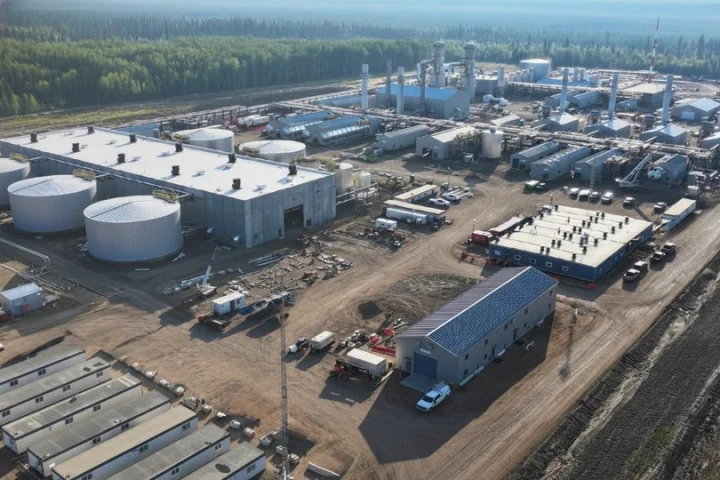
- Forestry & Mining – historically the backbone of BC’s economy, producing lumber, pulp, copper, coal, and natural gas.
- Film & Television – Vancouver is known as Hollywood North, the third-largest film production hub in North America.
- Tourism – fueled by natural attractions like Whistler Blackcomb, Pacific Rim National Park, and Haida Gwaii.
- Agriculture & Wine – the Fraser Valley and Okanagan produce fruit, vegetables, and award-winning wines.
- Trade – the Port of Vancouver is Canada’s busiest port, connecting North America with Asia.
BC’s GDP was $309 billion in 2020, ranking fourth in Canada, with a per capita GDP of around $60,000.
Government and Politics
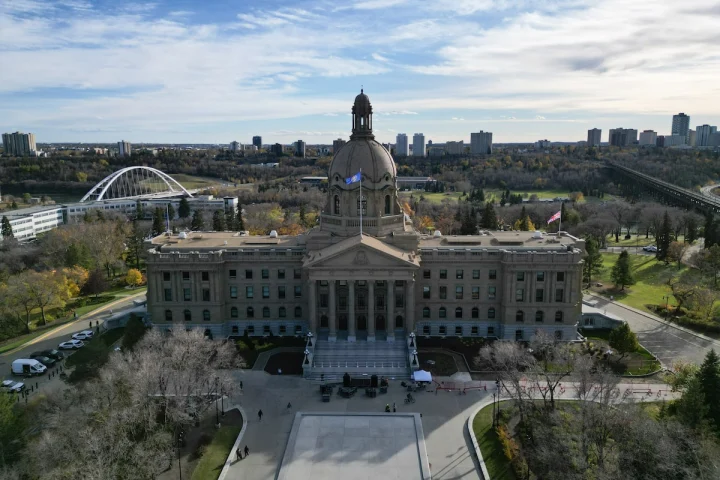
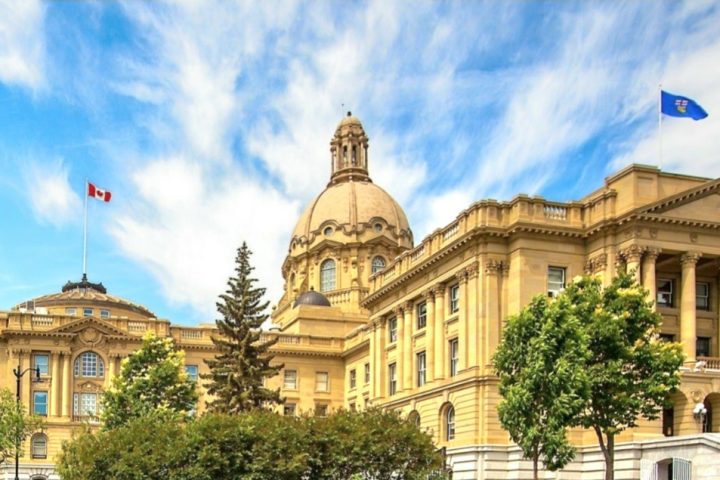
BC operates under a parliamentary constitutional monarchy, with the Lieutenant Governor representing the Crown. The provincial legislature in Victoria has 87 elected members.
Political power has shifted historically between the BC New Democratic Party (NDP), currently led by Premier David Eby, and right-of-centre parties such as the BC Liberals (rebranded as BC United in 2023). The Green Party also plays a larger role here than in most provinces.
Culture and Society
British Columbia’s culture reflects its Indigenous heritage, colonial past, and multicultural population.
- Art & Architecture – from Indigenous totem poles and Emily Carr’s paintings to modern Vancouver architecture.
- Cuisine – BC cuisine emphasizes seafood (salmon, halibut, Dungeness crab), wine, and fusion dishes like the BC roll and Japadog. The Nanaimo bar is a beloved dessert.
- Music & Film – the province has produced international stars like Bryan Adams, Michael Bublé, Nelly Furtado, and Carly Rae Jepsen.
- Outdoor Life – skiing, hiking, kayaking, and mountain biking define the lifestyle of many British Columbians.
BC also hosted the 2010 Winter Olympics in Vancouver and Whistler, showcasing its global sporting and cultural presence.
Conclusion
British Columbia stands as Canada’s Pacific gateway, blending rugged wilderness with dynamic urban centres. Its history spans ancient Indigenous traditions, colonial struggles, and rapid economic modernization. Today, BC balances its resource-based industries with innovation, technology, and sustainability, making it one of the most forward-looking provinces in the country.