The discount on Western Canada Select (WCS) to the North American benchmark West Texas Intermediate (WTI) futures remained unchanged on Monday. For October delivery in Hardisty, Alberta, WCS settled at $11.10 per barrel under the U.S. benchmark WTI, which is the same level as last Friday’s trading. This consistency in the WCS discount reflects ongoing dynamics in the Canadian energy sector.
Growth in Western Canadian Crude Production
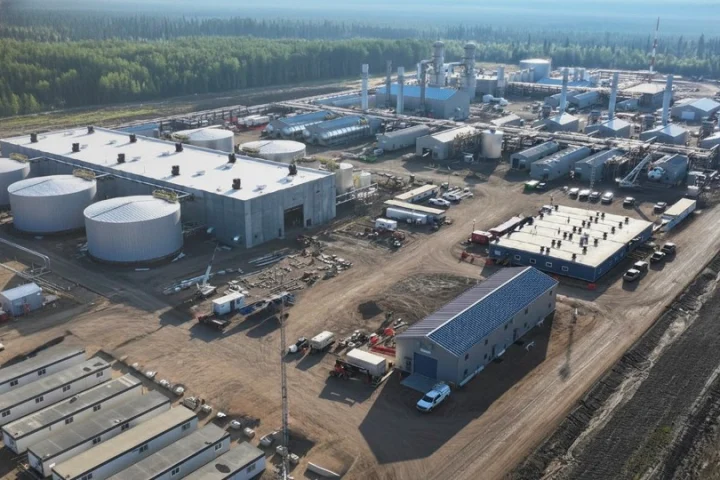
Despite the discount on Western Canada Select remaining steady, Western Canadian crude production continues to show impressive growth. The oil-producing province of Alberta set a new record in July, reaching an output of 4.3 million barrels per day. This marks a significant milestone for the province, reflecting the expansion of Canada’s crude oil capacity.
Discussions on Emissions and Environmental Impact
In response to growing environmental concerns, Canada’s government is engaged in discussions with energy companies and Alberta’s provincial authorities. These talks focus on the possibility of eliminating the federal cap on emissions from the oil and gas sector. However, the condition for such a move is that the industry and the province reduce their carbon footprint through other measures, which is an ongoing point of negotiation.
Global Factors Affecting Canadian Oil Demand
While Western Canada Select has maintained its discount, other global factors weigh on the demand for Canadian crude. Recently, U.S. imports of Venezuelan heavy crude resumed in late August, a development that impacts the need for Canadian heavy barrels. Additionally, global oil prices rose on Monday as investors evaluated the effects of Ukrainian drone attacks on Russian refineries and the geopolitical situation involving U.S. President Donald Trump urging NATO nations to stop buying Russian oil.
Conclusion: The Future of WCS and Canadian Oil
The discount on Western Canada Select remains steady as Western Canadian crude production continues to grow. While there are efforts to reduce emissions and adjust regulations, external factors like global oil price fluctuations and international market changes will continue to play a significant role in shaping the future of Canada’s oil industry.