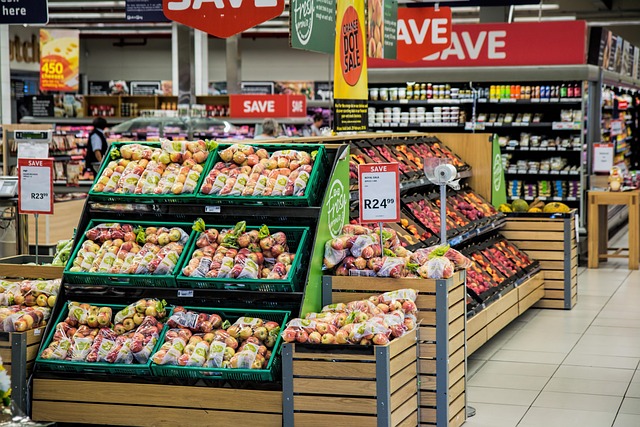
Canada’s retail sector in 2025 is navigating a complex mix of rising consumer caution, shifting spending habits, regional performance differences, and a rapidly evolving digital landscape. Retail sales have shown modest year-over-year growth, but changing economic conditions—including interest rates, inflation, and labour market dynamics—continue to influence how and where Canadians spend their money. Understanding these trends helps retailers, policymakers, and investors prepare for the year ahead.
1. Retail Sales Performance in 2024–2025
The Canadian retail sector recorded steady but moderate growth heading into 2025. Retail sales reached more than C$803 billion in 2024, rising by approximately 1.3% year-over-year, marking a recovery from previous inflation-driven volatility.
Check out generalodhiambo
Key highlights:
- Core retail sales (excluding autos and gasoline) grew 1.3%, showing stable essential-goods spending.
- Motor vehicle & parts dealers supported growth in strong months but also contributed to dips when consumer confidence weakened.
- General merchandise and health/personal care retailers posted reliable gains, reflecting a shift toward essential-focused spending.
Monthly performance has been mixed, with some months seeing strong rebounds and others experiencing dips as consumers adjust to economic pressures.
2. How Inflation Is Shaping Consumer Spending
Although inflation has slowed from the extremes of 2022–2023, Canadians remain highly price-sensitive. Food price inflation in particular continues to influence spending behaviour.
Current consumer adjustments include:
- More shopping at discount and general-merchandise stores, including dollar stores and big-box retailers.
- Shifting grocery habits, with many Canadians buying frozen, packaged, and bulk food to save money.
- Reduced spending on premium brands, replaced by private-label or lower-cost alternatives.
These patterns show that value shopping is becoming the dominant behaviour in Canada’s retail ecosystem.
3. Growth in Essential Spending and Declines in Discretionary Goods
The largest share of retail spending continues to go toward essentials such as groceries, pharmaceuticals, and household necessities. Food and beverages now account for almost one-quarter of all retail sales, highlighting how household budgets are being reallocated.
Strong categories:
- Groceries
- Health and beauty
- Household goods
- Baby and personal-care products
Weaker categories:
- Furniture and home goods
- Electronics
- Sporting and luxury items
- High-end apparel
Canadians are delaying major purchases, particularly big-ticket items such as furniture, appliances, and vehicles, especially during months of weak consumer confidence.
4. E-Commerce and Omnichannel Retailing Trends
E-commerce remains strong, but growth has leveled off compared to pandemic-era peaks. Online retail accounted for about 6% of total retail sales, driven by convenience, access to deals, and flexible purchasing options.
What’s trending online:
- Mobile shopping
- Flash sales and discount platforms
- Subscriptions for household essentials
- Social commerce through platforms like TikTok and Instagram
Retailers with robust omnichannel systems—integrated online and in-store experiences, fast shipping, easy returns—are outperforming traditional single-channel stores.
5. Changing Regional Retail Performance Across Canada
Retail sector performance varies across provinces due to differing economic conditions.
Ontario & British Columbia
- Strongest overall sales
- Driven by tech, finance, and large urban populations
- Higher e-commerce penetration
Alberta & Saskatchewan
- Strong discretionary spending linked to energy-sector income
- Higher volatility in auto and home-goods purchases
Atlantic Canada
- More stable essential spending
- Benefiting from population growth from inter-provincial migration and immigration
Quebec
- Consistent growth in food, fashion, and home goods
- Strong local retail brands and cultural spending habits
6. The Rise of Discount Retailers & Private-Label Brands
One of the most dominant trends in 2025 is the rapid rise of value-oriented retail. Discount chains, dollar stores, and big-box retailers are seeing significant sales increases.
Why this shift matters:
- Private-label products now capture a larger share of grocery and household goods sales.
- Consumers trust budget brands more due to improved quality and consistent availability.
- Retailers are allocating more shelf space to lower-cost alternatives.
This shift is reshaping competition in the Canadian retail market.
7. Consumer Confidence and Future Spending Outlook
Consumer confidence remains fragile due to economic uncertainty, interest rates, and high living costs. However, sales spikes during certain months show that Canadians still spend when promotions, confidence, or seasonal factors align.
Expected trends heading into 2026:
- Continued focus on essentials
- Growing preference for discount retail
- Increased adoption of online and hybrid shopping
- Slower growth in big-ticket purchases
- Potential rebound in discretionary spending if economic conditions improve
These trends point to a retail sector that is resilient but adapting quickly to changing consumer expectations.
Conclusion
Canada’s retail sector in 2025 is defined by shifting spending patterns, value-driven consumer behaviour, and an increasingly digital purchasing landscape. While inflation continues to shape priorities, essential goods, discount chains, and omnichannel retailing remain strong growth areas. Understanding these consumer spending trends helps retailers adapt and stay competitive in a rapidly evolving market.