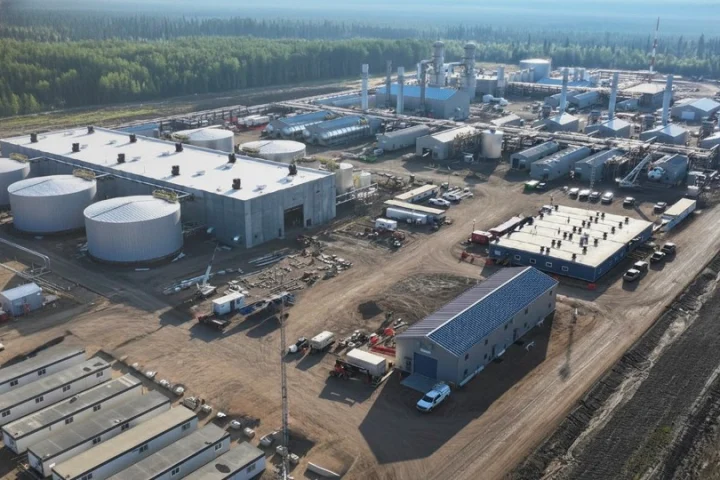
Canada’s economy is diverse, with each province contributing differently to national growth. In 2025, some provinces are expanding rapidly due to booming industries, demographic shifts, and policy-driven investment, while others face slower growth due to structural challenges. Understanding regional economic trends is critical for businesses, investors, and policymakers seeking opportunities across Canada.
1. Ontario: The Economic Powerhouse
Ontario remains Canada’s largest economy, contributing approximately 38% of national GDP. Its growth is driven by:
- Technology and innovation: Toronto and Waterloo are hubs for AI, fintech, and software startups.
- Finance and professional services: Ontario’s financial sector, centered in Toronto, continues to expand, attracting both domestic and international investment.
- Manufacturing revival: Advanced manufacturing in automotive, aerospace, and machinery supports employment and exports.
Despite global uncertainties, Ontario’s diverse economy ensures steady growth, making it Canada’s top-performing province in terms of overall GDP contribution.
2. Alberta: Resource-Fueled Recovery
Alberta’s economy is closely tied to energy, mining, and natural resources. In 2025, Alberta has experienced one of the fastest provincial growth rates due to:
- Rising oil and gas production: Improved global energy prices have bolstered revenues and investment.
- Mining and industrial activity: Expansion of critical minerals, including lithium and potash, supports regional development.
- Infrastructure investment: Major projects in transportation, energy, and industrial sectors stimulate local employment.
Alberta’s resource-driven growth, combined with favorable business policies, positions it as one of Canada’s fastest-growing economies in 2025.
3. British Columbia: Innovation and Green Economy Lead Growth
British Columbia (BC) has experienced robust economic expansion due to a mix of tech innovation, clean energy, and international trade:
- Tech sector expansion: Vancouver is a hub for gaming, software development, and AI startups.
- Green economy: Investments in renewable energy, clean technology, and sustainable forestry create jobs and attract capital.
- International trade: Port Metro Vancouver remains a critical gateway for exports to Asia-Pacific markets.
BC’s growth is also supported by population inflows and high domestic consumption, making it a leader in Western Canada’s economic landscape.
4. Quebec: Balanced Growth Through Diversification
Quebec’s economy benefits from a balanced approach across manufacturing, technology, and services:
- Aerospace and manufacturing: Montreal’s aerospace sector continues to lead globally, contributing significantly to exports and employment.
- Digital economy: AI research and digital startups drive innovation, particularly in Montreal and Quebec City.
- Clean tech and green energy: Quebec invests heavily in hydroelectricity, sustainable infrastructure, and clean tech innovation.
Quebec’s focus on innovation and diversified industries ensures steady, sustainable growth across multiple sectors.
5. Saskatchewan and Manitoba: Agriculture and Mining Powerhouses
The prairie provinces are experiencing moderate growth:
- Saskatchewan: Strong agricultural output, mining of potash and uranium, and emerging technology in agritech and resource management drive the economy.
- Manitoba: Manufacturing, hydroelectricity, and agriculture provide steady economic performance. Growth is stable but slower than resource-rich Alberta and tech-driven Ontario.
Both provinces are strategically important for national exports and domestic food security, contributing reliably to Canada’s GDP.\
Also check out generalodhiambo.com
6. Atlantic Canada: Gradual Recovery and Regional Development
Atlantic provinces, including Nova Scotia, New Brunswick, Prince Edward Island, and Newfoundland & Labrador, have smaller but steadily growing economies:
- Tourism and fisheries: Remain key economic drivers, with growing demand post-pandemic.
- Energy and offshore oil: Newfoundland & Labrador benefit from offshore energy projects.
- Immigration-driven workforce: Programs like the Atlantic Immigration Pilot are attracting skilled workers, supporting labor market needs.
While growth rates are modest compared to Western Canada, the region shows potential for long-term development.
7. Regional Growth Trends Summary (2025)
- Fastest-growing provinces: Alberta, British Columbia, Ontario
- Moderate growth: Quebec, Saskatchewan, Manitoba
- Smaller but steady growth: Atlantic Canada
- Growth drivers: Technology, natural resources, clean energy, manufacturing, and international trade
- Challenges: Aging populations, infrastructure gaps, housing affordability, and climate-related risks
Canada’s economic growth is increasingly shaped by regional strengths. Provinces with diversified economies, technological innovation, and resource development are expanding faster, while smaller provinces focus on sustainable growth and workforce development.
8. Implications for Businesses and Investors
Understanding regional trends is essential for:
- Investment decisions: Target fast-growing sectors in Alberta, BC, and Ontario.
- Market expansion: Leverage consumer growth and urban development in tech and energy hubs.
- Talent acquisition: Focus on regions with strong labor inflows, skilled workforce availability, and innovation clusters.
- Infrastructure planning: Support logistics and trade through ports, highways, and tech-enabled solutions.
Regional economic intelligence allows businesses to maximize growth opportunities and minimize risk.
Conclusion
Canada’s provincial economies are growing at different rates, reflecting the diverse economic landscape shaped by natural resources, technology, trade, and population trends. In 2025, Alberta, British Columbia, and Ontario lead growth, while other provinces maintain steady progress through strategic investments and innovation. Understanding these regional differences is critical for shaping policies, business strategies, and investment decisions in a rapidly evolving Canadian economy.