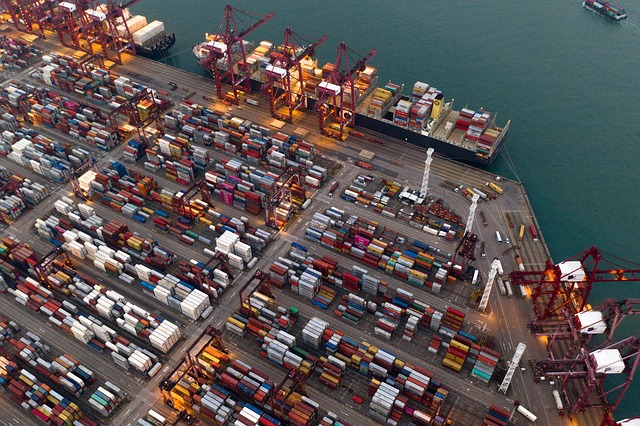
Canada’s import economy plays a vital role in the nation’s prosperity, providing goods and services that Canadians depend on daily. From consumer electronics and automobiles to food and industrial equipment, imported products complement domestic production and support the country’s standard of living. In 2025, Canada’s import patterns are shaped by global trade dynamics, exchange rates, supply chain shifts, and international demand.
This article explores the key products Canadians rely on most, their economic impact, and the trends shaping Canada’s import economy.
1. Overview of Canada’s Import Economy
Canada is a trading nation, with imports constituting over CAD 500 billion annually, accounting for roughly 30% of its GDP. The United States remains Canada’s largest source of imports, followed by China, Germany, Mexico, and Japan.
Imports are essential for:
- Meeting consumer demand for goods not produced domestically
- Supplying raw materials for manufacturing
- Supporting the energy and technology sectors
- Maintaining competitive prices in retail
2. Consumer Goods: Electronics, Appliances, and Vehicles
A. Electronics and Technology Products
Canada imports a significant portion of its electronics, including:
- Smartphones and computers
- Televisions and audio equipment
- Networking and IT hardware
China, the U.S., and South Korea are the primary suppliers. The demand for high-tech gadgets and smart home devices continues to grow, driven by consumers and businesses.
B. Home Appliances
Canadians rely on imported appliances like:
- Refrigerators and freezers
- Washing machines and dryers
- Microwaves and ovens
Most major brands are manufactured overseas, particularly in the U.S., Europe, and Asia. Imports ensure Canadians have access to the latest energy-efficient models.
C. Vehicles and Automotive Parts
Canada imports cars, trucks, and auto parts to complement domestic production. Key points include:
- U.S. and Mexico supply most vehicles via NAFTA/USMCA agreements
- Asian brands (Japan, South Korea) remain highly popular
- Automotive imports support Canada’s repair, aftermarket, and manufacturing sectors
3. Food and Beverage Imports
While Canada has a strong agricultural sector, certain foods and beverages are heavily imported:
- Tropical fruits (bananas, mangoes, pineapples) from Central and South America
- Coffee, tea, and specialty beverages
- Wine and spirits from Europe
- Processed foods not produced domestically
Imports diversify Canada’s food supply, allowing for year-round availability of global products. This also affects retail prices and consumer choice.
4. Industrial and Manufacturing Inputs
Canada imports raw materials and industrial products critical for its manufacturing economy:
- Machinery and equipment – for factories, energy, and construction
- Metals and minerals – steel, aluminum, copper
- Chemicals – fertilizers, plastics, industrial chemicals
- Electronic components – semiconductors and specialized circuits
These imports maintain production capacity in sectors such as automotive, aerospace, electronics, and construction.
5. Energy and Fuel Products
Despite domestic energy production, Canada imports certain fuels and refined products:
- Refined petroleum products to meet regional demand
- Natural gas imports in eastern provinces
- Specialized fuels for industrial and aviation use
Energy imports balance domestic production gaps and help stabilize prices.
6. Medical and Pharmaceutical Imports
Canada relies on imported pharmaceuticals, medical devices, and healthcare supplies:
- Prescription drugs and vaccines
- Diagnostic equipment
- Surgical instruments and protective equipment
Imports ensure Canadians have access to life-saving medications and modern healthcare technologies.
7. Clothing, Footwear, and Consumer Apparel
Canada imports most of its clothing and footwear from:
- China
- Bangladesh
- Vietnam
- India
- U.S. and European brands
Global supply chains provide affordable apparel for Canadian consumers, while supporting retail and e-commerce sectors.
8. Impact of Imports on Canada’s Economy
Imports affect the Canadian economy in several ways:
A. Consumer Choice and Affordability
Access to imported goods allows Canadians to enjoy products at competitive prices.
B. Supply Chain and Manufacturing Support
Imports of raw materials and industrial inputs maintain domestic production and innovation.
C. Trade Balance
Imports contribute to trade deficits, which can fluctuate depending on currency strength, commodity prices, and global demand.
D. Job Creation
While imports may compete with domestic products, they also create jobs in logistics, retail, warehousing, and distribution.
9. Trends Shaping Canada’s Imports in 2025
A. E-Commerce and Online Shopping
Rising online purchases increase imports from global marketplaces, including electronics, clothing, and niche products.
B. Supply Chain Diversification
Canada is diversifying suppliers to reduce dependency on any single country, particularly after global disruptions like the COVID-19 pandemic.
C. Green and Sustainable Products
Consumers increasingly demand environmentally friendly and ethically sourced imports.
D. Technological Innovation
High-tech imports—such as semiconductors, medical devices, and renewable energy components—support Canada’s transition to a modern economy.
10. Future Outlook for Canada’s Import Economy
Canada’s reliance on imports is expected to continue growing, driven by:
- Rising consumer demand for international goods
- Expansion of e-commerce and cross-border trade
- Industrial innovation and energy transition
- Population growth and urbanization
Policy adjustments, trade agreements, and global economic conditions will continue to shape import patterns and Canada’s economic reliance on foreign products.
Conclusion
Canada’s import economy is a cornerstone of its modern prosperity. Canadians rely heavily on products ranging from electronics and vehicles to food, pharmaceuticals, and industrial goods. Imports support consumer choice, maintain manufacturing output, and stimulate employment in logistics and retail sectors. As Canada navigates global trade shifts, technological change, and sustainability goals, its import patterns will remain critical to economic stability and growth in 2025 and beyond.