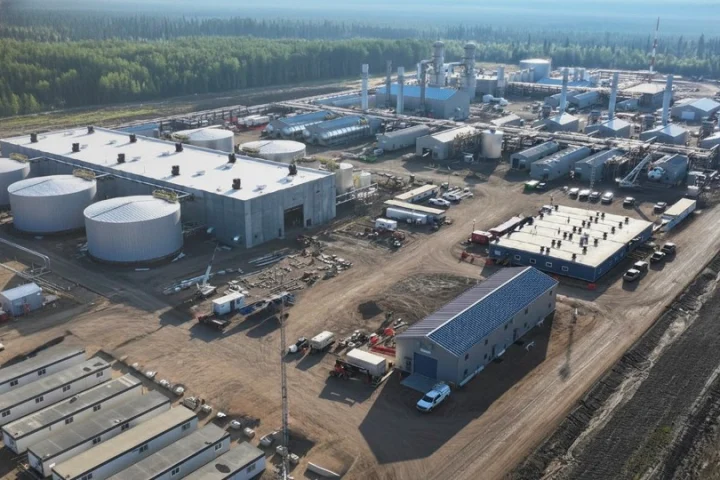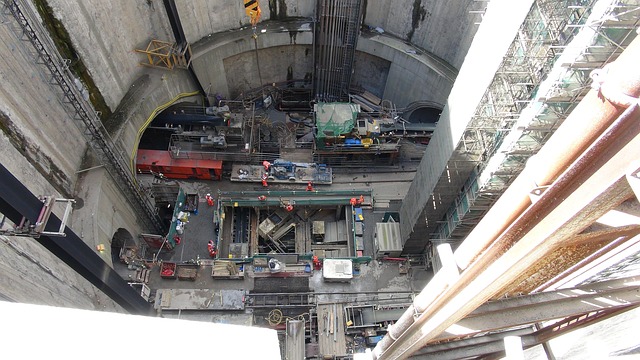
Canada’s construction industry is a critical component of the national economy, supporting housing development, infrastructure projects, and employment across the country. In 2025, the sector continues to experience strong demand driven by population growth, urbanization, and government investments in infrastructure. Construction contributes not only to GDP but also to regional economic development and long-term productivity improvements.
This article explores the current state of Canada’s construction industry, key trends, employment impact, and future opportunities.
1. Overview of Canada’s Construction Industry
Canada’s construction industry encompasses:
- Residential construction: Single-family homes, multi-unit dwellings, and affordable housing projects
- Non-residential construction: Commercial buildings, offices, hospitals, schools, and industrial facilities
- Infrastructure development: Roads, bridges, railways, transit systems, and utilities
Key statistics for 2025:
- GDP contribution: Over CAD 140 billion annually
- Employment: More than 1.4 million workers in direct and indirect roles
- Investment: Significant public and private sector spending on infrastructure and housing
Construction remains a cornerstone for both economic growth and societal development.
2. Housing Construction Trends
A. Residential Development
- High demand for urban housing in cities like Toronto, Vancouver, and Montreal
- Increasing focus on affordable and sustainable housing to meet population growth
- Multi-family units, condominiums, and apartment complexes dominate urban construction
B. Challenges in Housing Construction
- Rising material costs for lumber, steel, and concrete
- Labour shortages for skilled trades such as carpenters, electricians, and plumbers
- Regulatory and zoning challenges that impact development timelines
Housing construction directly influences real estate markets, employment, and urban planning.
3. Infrastructure Construction
Infrastructure projects are key drivers of national economic growth:
- Transportation infrastructure: Highways, bridges, rail networks, and airports
- Public transit: Subway expansions, light rail, and bus rapid transit systems
- Utilities and energy projects: Water, sewage, and renewable energy infrastructure
Government investments in infrastructure improve connectivity, efficiency, and quality of life while supporting long-term economic competitiveness.
4. Employment and Workforce Impact
The construction industry is a significant job creator:
- Skilled trades: carpenters, electricians, plumbers, and masons
- Engineers, architects, and project managers
- Labourers and equipment operators
- Administrative and logistics support
Construction jobs are spread across urban centers and rural regions, supporting local economies and providing stable employment.
5. Economic Contribution of the Construction Sector
A. Direct Economic Impact
- Construction projects generate revenue through material supply chains, equipment rental, and professional services
- Contributes significantly to GDP growth and regional economic stability
B. Indirect Economic Benefits
- Job creation in related sectors such as manufacturing, transportation, and retail
- Stimulates local businesses, restaurants, and service providers in construction areas
- Infrastructure projects improve productivity, lowering costs for businesses and residents
6. Technological Innovation in Construction
Modern construction in Canada increasingly leverages technology:
- Building Information Modeling (BIM): Digital planning for design and efficiency
- Prefabrication and modular construction: Reduces construction time and costs
- Automation and robotics: Assists in heavy lifting, precision tasks, and safety
- Green building technologies: Energy-efficient materials, sustainable design, and eco-friendly construction
Innovation increases productivity, reduces waste, and enhances sustainability in the industry.
7. Challenges Facing Canada’s Construction Industry
Despite growth opportunities, several challenges exist:
- Labour shortages: Difficulty finding skilled tradespeople to meet project demands
- Rising construction costs: Materials, equipment, and energy expenses
- Regulatory complexity: Building codes, environmental standards, and permits
- Supply chain disruptions: Delays in materials can impact project timelines
Addressing these challenges is crucial for sustaining industry growth and economic benefits.
8. Government Investments and Policy Support
Federal and provincial governments play a pivotal role:
- Infrastructure stimulus packages targeting roads, bridges, and public transit
- Affordable housing initiatives to meet urban population demands
- Green building incentives promoting sustainable construction practices
- Workforce development programs to train skilled tradespeople
Policy support ensures a robust construction sector that drives national economic growth.
9. Future Opportunities
The Canadian construction industry has multiple avenues for growth:
- Expansion of urban housing and mixed-use developments
- Investment in smart infrastructure integrating technology and sustainability
- Renewable energy projects such as solar, wind, and hydroelectric facilities
- Adoption of digital construction technologies for efficiency and safety
These opportunities will increase employment, enhance productivity, and promote sustainable growth.
10. Link to Canada’s Economic Growth
Construction infrastructure directly supports:
- National and regional economic development
- Job creation and workforce stability
- Long-term productivity improvements in trade, transportation, and services
- Urbanization and sustainable city planning
A thriving construction industry is essential for Canada’s economic resilience and competitiveness.
Conclusion
Canada’s construction industry in 2025 remains a major driver of economic growth, supporting housing, infrastructure, and employment. From residential developments to large-scale infrastructure projects, construction strengthens both urban and regional economies.
By embracing technological innovation, sustainable building practices, and strategic government investment, Canada can ensure the construction industry continues to fuel economic growth, create jobs, and improve quality of life for Canadians across the country.