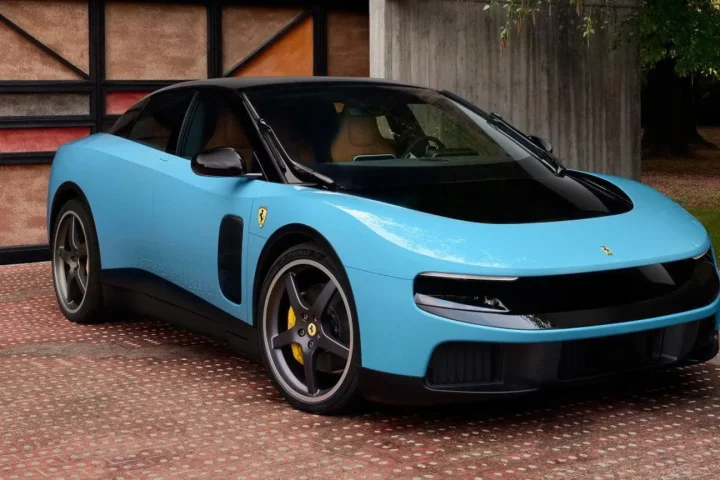
Choosing the right car has become more complex than ever. Modern buyers must weigh performance, fuel efficiency, technology, safety, reliability, and long-term value before making a decision. With manufacturers offering a wide range of sedans, SUVs, hatchbacks, hybrids, and electric vehicles, a detailed car comparison is essential to make an informed choice.
This article compares cars across key categories, highlighting strengths and weaknesses to help buyers select the vehicle that best fits their lifestyle, budget, and driving needs.
1. Performance and Engine Options
Performance is often the first factor buyers consider, especially for those who value driving excitement or need power for highway cruising and overtaking.
Petrol and Diesel Cars
Traditional petrol and diesel vehicles still dominate many markets. Petrol engines are generally smoother and quieter, making them ideal for city driving, while diesel engines offer higher torque and better fuel economy for long-distance travel.
- Sedans such as the Toyota Camry and Honda Accord focus on balanced performance and comfort.
- Sports cars like the BMW M series or Porsche 911 emphasize acceleration, handling, and top speed.
- SUVs often prioritize torque over outright speed, making them suitable for towing and off-road use.
Hybrid and Electric Vehicles
Hybrid and electric cars are gaining popularity due to rising fuel costs and environmental concerns.
- Hybrids like the Toyota Prius combine fuel efficiency with decent performance.
- Electric vehicles (EVs) such as the Tesla Model 3 deliver instant torque and rapid acceleration, often outperforming traditional cars in 0–100 km/h times.
Verdict:
For pure performance, electric cars now rival or exceed petrol-powered vehicles. However, traditional engines still appeal to drivers who enjoy engine sound and long-range convenience.
2. Fuel Efficiency and Running Costs
Fuel efficiency plays a major role in overall ownership cost.
- Small hatchbacks and compact sedans typically offer the best fuel economy.
- Hybrids significantly reduce fuel consumption in urban driving.
- EVs eliminate fuel costs altogether but require charging infrastructure.
Maintenance costs also vary:
- Japanese brands like Toyota and Mazda are known for low maintenance.
- Luxury brands often have higher service and repair costs.
- EVs generally have fewer moving parts, reducing long-term maintenance expenses.
Verdict:
If fuel savings are a priority, hybrids and EVs provide the best value over time, while small petrol cars remain cost-effective for budget-conscious buyers.
3. Interior Comfort and Space
Interior quality and space greatly influence driving satisfaction, especially for families and long-distance travelers.
Sedans
Sedans offer a balance of comfort, handling, and boot space. They are ideal for city driving and highway cruising.
SUVs
SUVs provide higher seating positions, better visibility, and more cargo space. Models like the Toyota RAV4 and Honda CR-V are popular for family use.
Hatchbacks
Hatchbacks are compact, easy to maneuver, and practical for urban environments.
Luxury cars stand out with:
- Premium materials such as leather and wood trims
- Advanced climate control systems
- Enhanced sound insulation
Verdict:
SUVs win for space and versatility, while sedans provide better ride comfort and handling. Hatchbacks remain the best choice for city dwellers.
4. Technology and Infotainment
Modern cars are increasingly defined by their technology.
Common features include:
- Touchscreen infotainment systems
- Apple CarPlay and Android Auto
- Digital instrument clusters
- Wireless charging
Luxury and premium cars offer:
- Head-up displays
- Advanced voice controls
- Over-the-air software updates
Electric vehicles often lead in this category, with minimalist dashboards and smart connectivity.
Verdict:
If technology is a priority, electric and premium cars offer the most advanced features, while mainstream brands now provide excellent infotainment at affordable prices.
5. Safety Features and Ratings
Safety is non-negotiable for most buyers.
Key safety features include:
- Anti-lock braking system (ABS)
- Electronic stability control (ESC)
- Multiple airbags
Advanced driver assistance systems (ADAS) add:
- Adaptive cruise control
- Lane-keeping assist
- Automatic emergency braking
- Blind-spot monitoring
Brands like Volvo, Subaru, and Mercedes-Benz are particularly known for safety innovation.
Verdict:
Most modern cars perform well in crash tests, but vehicles with advanced ADAS systems offer extra peace of mind.
6. Reliability and Durability
Reliability determines how long a car will last and how often it needs repairs.
- Japanese manufacturers are renowned for reliability.
- German brands offer excellent engineering but may require more maintenance.
- Electric cars show promising reliability due to fewer mechanical components.
Long warranties also indicate manufacturer confidence, with brands like Hyundai and Kia offering extended coverage.
Verdict:
For long-term ownership, reliability-focused brands and vehicles with strong warranty support are the safest bet.
7. Pricing and Value for Money
Car prices vary widely depending on brand, features, and segment.
- Budget cars prioritize affordability and practicality.
- Mid-range cars balance comfort, performance, and technology.
- Luxury cars focus on prestige, performance, and advanced features.
Resale value is another key consideration. Brands like Toyota and Honda often retain value better than luxury brands.
Verdict:
Value for money depends on needs. Mainstream brands usually offer the best balance, while luxury cars appeal to buyers seeking status and exclusivity.
8. Environmental Impact
Environmental concerns are shaping car buying decisions.
- Petrol and diesel cars produce emissions.
- Hybrids reduce emissions without range anxiety.
- EVs offer zero tailpipe emissions but depend on electricity sources.
Governments worldwide are encouraging eco-friendly vehicles through incentives and tax benefits.
Verdict:
Electric cars are the most environmentally friendly option, while hybrids provide a practical transition from traditional engines.
9. Best Cars by Category
- Best City Car: Compact hatchbacks with high fuel efficiency
- Best Family Car: Mid-size SUVs with advanced safety features
- Best Performance Car: Electric or sports-oriented petrol vehicles
- Best Budget Car: Reliable, low-maintenance sedans or hatchbacks
- Best Luxury Car: Premium brands with cutting-edge technology
Conclusion: Which Car Should You Choose?
There is no single “best car” for everyone. The ideal vehicle depends on individual needs, driving habits, and budget.
- Choose a hatchback or sedan for affordability and city driving.
- Opt for an SUV if space, comfort, and versatility matter.
- Consider a hybrid or electric vehicle for fuel efficiency and environmental benefits.
- Select a luxury or performance car if driving experience and prestige are priorities.
A careful car comparison ensures that buyers invest in a vehicle that delivers satisfaction, reliability, and value over the long term.