USA Captures Maduro: A Turning Point in Venezuela’s Political Crisis
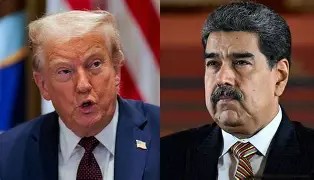
The global political landscape shifted dramatically after reports confirmed that the United States captured Venezuelan President Nicolás Maduro in a highly coordinated operation. The unprecedented move has sent shockwaves across Latin America and the international community, raising urgent questions about sovereignty, international law, regional stability, and the future of Venezuela.
For years, Maduro has been at the center of one of the world’s longest-running political and economic crises. His capture by U.S. forces marks a defining moment not only for Venezuela but also for U.S. foreign policy in the Western Hemisphere.
How the USA Captured Nicolás Maduro
According to official U.S. statements, the operation was carried out following months of intelligence gathering and regional military coordination. The mission reportedly involved elite U.S. forces working alongside international law-enforcement agencies.
The capture occurred amid targeted military strikes aimed at disabling key Venezuelan command centers. Within hours, reports emerged that Maduro and close associates were taken into U.S. custody and removed from Venezuelan territory.
The U.S. government described the action as a law-enforcement operation rather than a declaration of war, citing long-standing criminal indictments against Maduro related to narcotics trafficking and corruption.
Why the United States Targeted Maduro
The decision to capture Maduro did not happen overnight. Several factors contributed:
1. Criminal Indictments
Maduro has faced U.S. federal charges for years, including allegations of narco-terrorism and links to international drug cartels.
2. Democratic Breakdown
Washington has consistently accused Maduro of undermining democratic institutions, suppressing opposition voices, and manipulating elections.
3. Regional Security Concerns
U.S. officials argue that Venezuela under Maduro became a hub for organized crime, destabilizing neighboring countries.
4. Humanitarian Crisis
Millions of Venezuelans have fled the country due to hyperinflation, food shortages, and collapsing public services.
Timeline of Events Leading to Maduro’s Capture
- 2019–2024: Escalating U.S. sanctions and diplomatic isolation
- 2025: Increased U.S. military presence in the Caribbean
- Late 2025: Intelligence reports suggest imminent action
- January 2026: U.S. confirms capture of Nicolás Maduro
This timeline highlights how prolonged political pressure eventually escalated into direct intervention.
Venezuela’s Reaction to Maduro’s Arrest
The Venezuelan government immediately condemned the operation, calling it an “illegal act of aggression” and declaring a nationwide emergency. State media urged citizens to remain calm while military units were placed on high alert.
However, the absence of Maduro from public view sparked confusion. Opposition leaders welcomed the development, calling it an opportunity for democratic transition, while Maduro loyalists vowed resistance.
International and Regional Response
Reactions around the world were swift and divided:
- Latin America: Several governments expressed concern over sovereignty violations, while others quietly supported political change.
- Cuba and Allies: Strongly condemned the U.S. action, calling it imperial overreach.
- European Union: Urged restraint and called for adherence to international law.
- United Nations: Emergency discussions were requested to assess legality and humanitarian risks.
The event has deepened geopolitical divisions, especially among nations wary of U.S. interventionism.
Legal and International Law Implications
The capture of a sitting head of state raises serious legal questions:
- Was there UN authorization?
- Does criminal indictment justify military capture?
- Does this set a global precedent?
Legal experts argue that while Maduro was indicted, international law traditionally protects heads of state from foreign military arrest. The case may redefine how international justice is enforced in the future.
Economic and Oil Market Impact
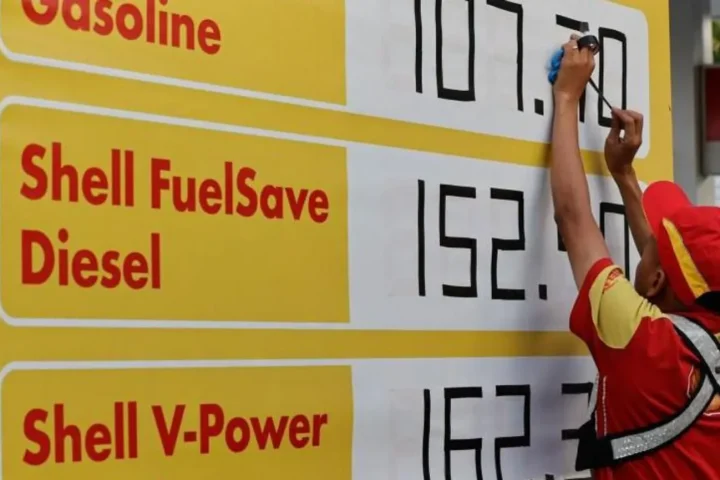
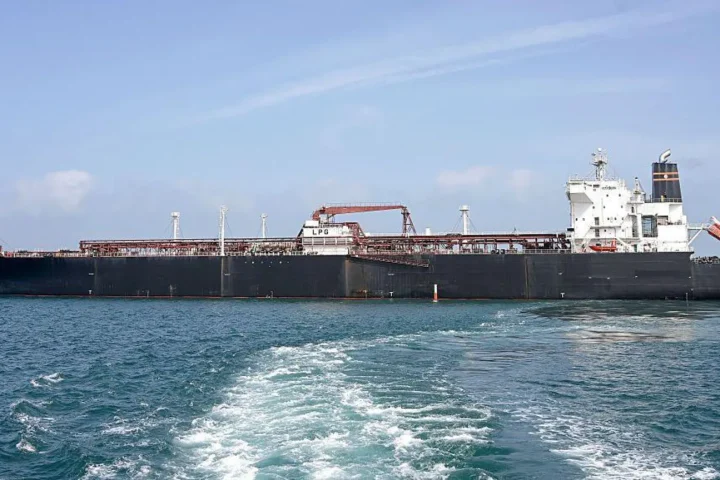
Venezuela holds the world’s largest proven oil reserves, and Maduro’s capture immediately impacted global energy markets.
Key economic effects:
- Oil prices fluctuated due to uncertainty
- Investors anticipated political transition
- Sanctions relief became a possibility
- Venezuelan currency volatility increased
A post-Maduro government could unlock international aid and investment, but instability remains a major risk.
What Happens Next for Venezuela
Several scenarios are possible:
1. Transitional Government
Opposition leaders may form an interim administration with international backing.
2. Military Power Struggle
Factions within the armed forces could compete for control.
3. Civil Unrest
Supporters and opponents of Maduro may clash, risking violence.
4. International Oversight
Global organizations could push for monitored elections.
The next few weeks will be critical in determining Venezuela’s future.
Conclusion: A Historic Shift in Latin American Politics
The moment the USA captured Maduro will be remembered as a turning point in modern geopolitical history. It reflects the limits of diplomatic pressure and the willingness of major powers to enforce accountability beyond borders.
Whether this leads to democratic renewal or prolonged instability in Venezuela depends on what follows. What is certain is that the capture of Nicolás Maduro has reshaped conversations about sovereignty, justice, and power in the 21st century.