Artificial Intelligence (AI) has moved from labs and smartphones into the driver’s seat. In 2026, AI is no longer a futuristic concept in the automotive industry — it is now built directly into the design, operation, maintenance, and safety systems of modern vehicles. From self-driving technology and driver assistance features to predictive maintenance and intelligent infotainment systems, AI is reshaping how we drive and how cars are built.
This in-depth guide explores how AI works in cars, real-world applications, benefits, challenges, and the future of AI-powered mobility.
What Is AI in Cars?
Artificial Intelligence in cars refers to computer systems that can:
- sense the environment
- interpret data from cameras and sensors
- learn from driver behavior
- make decisions in real time
- automate certain driving tasks
- predict vehicle maintenance needs
Unlike traditional automotive computers that simply follow programmed rules, AI systems learn, adapt, and improve over time.
Technologies used include:
- machine learning
- computer vision
- neural networks
- big data analytics
- natural language processing
AI is the core enabling technology behind smart cars, autonomous vehicles, and connected mobility ecosystems.
1. AI-Powered Advanced Driver Assistance Systems (ADAS)
One of the most visible applications of AI in cars is Advanced Driver Assistance Systems (ADAS). These systems support drivers, reduce human error, and prevent crashes.
Examples of AI-Driven ADAS
- adaptive cruise control
- automatic emergency braking
- pedestrian and cyclist detection
- lane keeping assist
- lane departure warning
- blind-spot detection
- traffic sign recognition
- driver drowsiness monitoring
How AI Makes ADAS Smarter
AI continuously analyzes data from:
- cameras
- radar
- LiDAR
- ultrasonic sensors
It recognizes surrounding vehicles, road markings, obstacles, and pedestrians. Instead of only warning the driver, AI systems can now predict danger and automatically react with braking or steering adjustments.
2. Autonomous and Self-Driving Vehicles
AI is the brain behind self-driving cars. While fully autonomous Level 5 vehicles are still being tested, AI already enables Level 2 and Level 3 autonomy in many production cars.
Levels of Autonomous Driving
- Level 0: No automation — full driver control
- Level 1: Driver assistance (cruise control, steering assist)
- Level 2: Partial automation (car assists with steering + speed)
- Level 3: Conditional autonomy in certain conditions
- Level 4: High autonomy in restricted environments
- Level 5: Full autonomy everywhere
Most vehicles today operate in Level 2–3, where the system manages tasks but still requires human supervision.
How AI Enables Self-Driving
AI systems perform:
- environment perception
- trajectory planning
- decision-making
- collision avoidance
They analyze millions of driving scenarios and learn from vast datasets, making autonomous vehicles increasingly capable and safer.
3. AI in Connected Cars and V2X Communication
Modern vehicles are no longer isolated machines — AI allows them to become connected devices.
Types of vehicle connectivity
- V2V (vehicle-to-vehicle): cars share data with each other
- V2I (vehicle-to-infrastructure): cars connect to traffic lights and road systems
- V2X (vehicle-to-everything): integration with pedestrians, networks, and smart cities
AI uses this connectivity to:
- reduce congestion
- avoid collisions
- update maps and traffic conditions
- enable over-the-air software improvements
This is the foundation for future smart cities and intelligent transport systems.
4. AI-Powered Predictive Maintenance
AI can detect problems before they cause breakdowns.
How Predictive Maintenance Works
Sensors collect real-time data from:
- engine components
- transmission
- battery health
- brake wear
- tire pressure and condition
AI identifies abnormal patterns, predicts part failure, and alerts drivers ahead of time.
Benefits
- fewer unexpected repairs
- increased vehicle lifespan
- lower maintenance costs
- safer vehicle performance
Manufacturers and fleet companies use AI to maintain vehicles proactively rather than reactively.
5. AI in Electric Vehicles (EVs)
AI plays a major role in EV performance, charging, and energy management.
Key AI features in electric cars
- smart battery management
- range prediction
- temperature control optimization
- regenerative braking optimization
- adaptive charging strategies
- route planning based on charging station availability
By learning from driving habits, road conditions, and climate, AI helps maximize battery life and driving range.
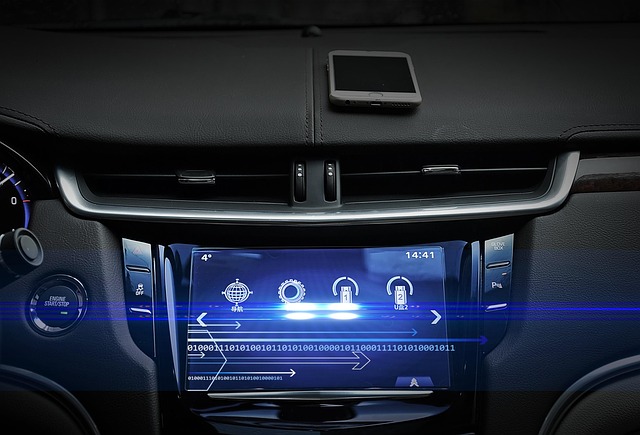
6. AI-Driven Infotainment and Personalization
Today’s car cockpit is a digital experience powered by AI.
AI capabilities in infotainment systems
- voice assistants
- gesture recognition
- natural language understanding
- personalized music and navigation suggestions
AI recognizes individual drivers and automatically adjusts:
- seat position
- climate control
- driving mode
- ambient lighting
- infotainment preferences
This creates a customized driving experience for every user.
7. AI for Safety Monitoring and Driver Behavior Analysis
AI also watches inside the cabin to protect occupants.
Examples of in-cabin AI safety features
- driver attention monitoring
- fatigue and drowsiness detection
- child presence detection
- occupant seatbelt alerts
- heart-rate and health monitoring
AI prevents distracted driving by identifying when the driver is not focused and issuing warnings or assistance as needed.
8. AI in Manufacturing and Automotive Design
AI is transforming not just cars but how cars are made.
Applications in manufacturing
- robotic assembly lines
- quality inspection
- supply-chain optimization
- design simulations
- demand forecasting
AI enables automakers to produce vehicles more efficiently, accurately, and cost-effectively.
9. Benefits of AI in Cars
AI integration brings several advantages:
- improved road safety
- reduced driver fatigue
- fewer accidents from human error
- better fuel and energy efficiency
- personalized driving experience
- predictive repair and lower maintenance cost
- smart integration with cities and infrastructure
AI is ultimately designed to support the human driver, making transportation safer and more intelligent.
10. Challenges and Ethical Concerns
AI in vehicles also raises important concerns.
Key challenges
- data privacy and cybersecurity risks
- liability in accidents involving AI systems
- high production and implementation costs
- complex regulation and safety certification
- dependence on accurate mapping and connectivity
Addressing these issues will shape the pace at which fully autonomous vehicles become mainstream.
The Future of AI in Cars
In the near future we may see:
- fully autonomous ride-sharing fleets
- AI-managed traffic systems
- cars communicating with smart homes
- subscription-based AI vehicle features
- seamless human–machine collaboration
AI will continue evolving from driver assistance to complete mobility intelligence, reshaping how cities function and how people travel.
Final Thoughts
AI in cars is no longer just an upgrade — it is becoming the central nervous system of modern vehicles. It powers autonomous driving, enhances safety, personalizes the driving experience, improves energy efficiency, and prevents breakdowns before they happen.
As AI technology continues to advance, drivers will experience vehicles that are smarter, safer, cleaner, and more connected than ever before. The road ahead belongs to intelligent mobility.