Atlantic Canada, also known as the Atlantic provinces, refers to the four easternmost provinces of Canada: New Brunswick, Newfoundland and Labrador, Nova Scotia, and Prince Edward Island. With a population of more than 2.4 million (2021 census) and an area exceeding 539,000 km², the region is known for its rugged coastlines, maritime culture, and vital role in Canada’s history. The largest urban centre in Atlantic Canada is Halifax, Nova Scotia, a hub of trade, culture, and education.
Historical Background
Indigenous Peoples and Early Contact
Before European arrival, Atlantic Canada was home to Indigenous groups including the Mi’kmaq, Naskapi, Beothuk, and Labrador Inuit (Nunatsiavut). These peoples developed fishing, hunting, and trading systems deeply tied to the region’s maritime environment.
Around 986 CE, Norse explorer Leif Erikson and his crew established a short-lived settlement at Vinland, believed to be L’Anse aux Meadows in Newfoundland. This is recognized as the first known European presence in North America.
French and British Colonization
In 1604, French settlers founded Acadia, forming alliances with Indigenous nations such as the Mi’kmaq. Over the next century, France and Britain clashed repeatedly over control of Newfoundland and the fisheries. The Treaty of Utrecht (1713) granted Britain governance over Newfoundland, while allowing France limited fishing rights along the coast.
During the Seven Years’ War (1755–1764), thousands of Acadians were forcibly deported in what became known as the Great Expulsion (Le Grand Dérangement). After the Treaty of Paris (1763), Britain consolidated its control, with surveyors like James Cook mapping Newfoundland’s coasts.
Immigration Waves
Following the American Revolution (1783), Loyalists migrated north, reshaping the region’s demographics. Among them were Black Loyalists, who were granted freedom and resettled in Nova Scotia, founding communities like Birchtown, one of the largest free Black settlements in North America. Later, the Irish Potato Famine (1840s) brought a new wave of immigrants, particularly to Saint John and Halifax.
Confederation and the Term “Atlantic Canada”
- New Brunswick and Nova Scotia were founding members of Confederation in 1867.
- Prince Edward Island joined in 1873.
- Newfoundland and Labrador entered in 1949, with Premier Joey Smallwood popularizing the term “Atlantic Canada” to distinguish the region from the “Maritimes.”
Geography and Climate
Atlantic Canada is bordered by the Atlantic Ocean to the east and south, and Quebec to the west. It also shares an international land border with the U.S. state of Maine and a maritime border with France’s Saint Pierre and Miquelon.
The landscape includes:
- Rocky coastlines and fjords shaped by glaciers.
- The Appalachian Uplands, stretching across all four provinces.
- Fertile lowlands in Prince Edward Island and parts of Nova Scotia.
- Boreal forests and mineral-rich highlands in Newfoundland and Labrador.
The climate is strongly influenced by the Atlantic Ocean, with cold winters, cool summers, and heavy snowfall.
Economy
Fishing and Marine Resources
Fishing has long been the backbone of Atlantic Canada’s economy. Cod, lobster, scallops, and shellfish supported coastal communities for centuries. However, the 1992 cod fishery collapse devastated the industry, eliminating up to 50,000 jobs. Today, lobster and shellfish dominate exports, and aquaculture has expanded.
Energy and Mining
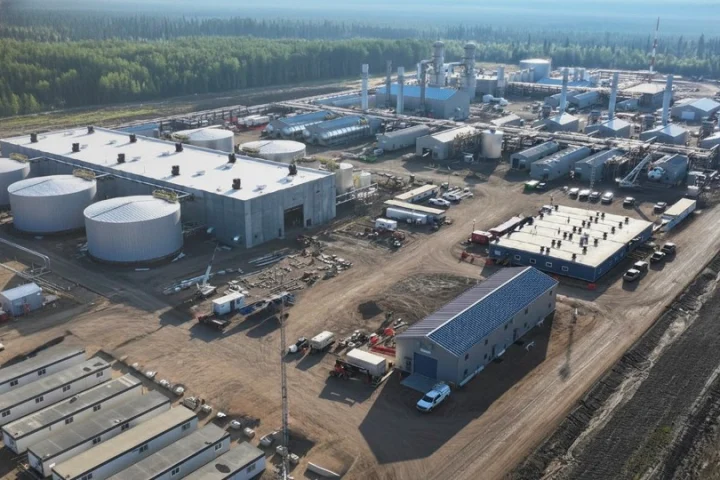
- Labrador’s Churchill Falls produces one of the largest hydroelectric outputs in North America.
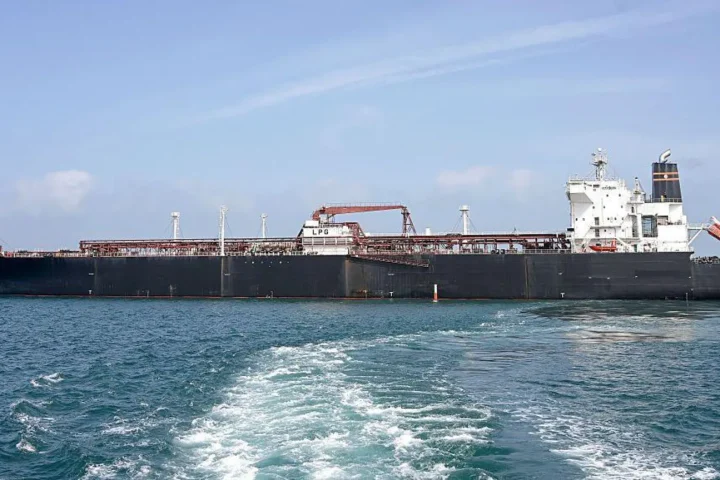
- Offshore oil production, particularly off Newfoundland, has become a significant economic driver.
- Nova Scotia leads in gypsum exports, while the region also mines coal, salt, iron, and other minerals.
- Wind and hydrogen projects are emerging as part of a shift toward renewable energy.
Forestry and Agriculture
Forests historically supported shipbuilding and lumber exports, while agriculture thrives in parts of Nova Scotia, New Brunswick, and PEI. The latter is renowned for its potatoes, a staple crop exported worldwide.
Tourism
Tourism is a growing sector, fueled by the region’s national parks, cultural festivals, historic towns, and scenic coastlines. Sites like L’Anse aux Meadows, Peggy’s Cove, and Gros Morne National Park attract millions annually.
Cultural Significance
Atlantic Canada has a rich cultural identity shaped by Indigenous traditions, Acadian heritage, Irish immigration, and seafaring communities. Today, it remains Canada’s most bilingual region, with New Brunswick officially recognizing both English and French.
Music, storytelling, and cuisine—especially seafood—play a major role in regional culture, with festivals celebrating everything from Celtic roots to Acadian traditions.
Conclusion
Atlantic Canada remains one of Canada’s most historically significant and geographically distinct regions. From the Viking settlement at L’Anse aux Meadows to modern energy projects in Labrador, its story reflects resilience, cultural blending, and adaptation to both economic shifts and natural challenges. The region continues to balance its traditional resource-based economy with new opportunities in tourism, renewable energy, and technology, while maintaining a strong sense of identity within Canada.