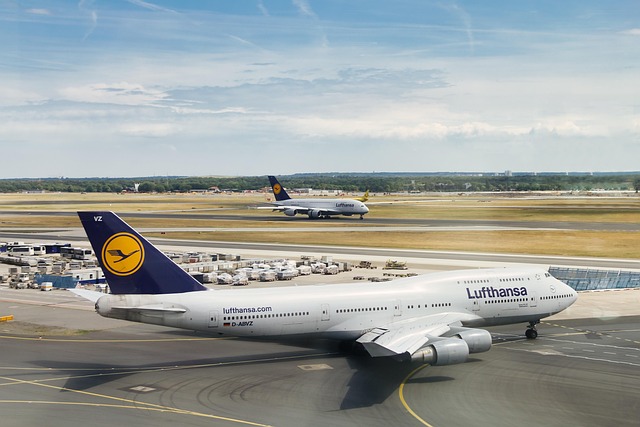
Canada is one of the largest countries in the world, with vast distances between its major cities and regions. Because of this massive geography, airports play a critical role in connecting people, goods, and industries across provinces, territories, and continents. From international tourism to business travel, immigration, and cargo movement, Canadian airports support millions of passengers every year while contributing significantly to the national economy.
This 1000-word article explores the biggest and busiest airports in Canada, their key features, passenger capacity, major airlines, destinations served, and why each airport is important to Canada’s transportation network.
1. Toronto Pearson International Airport (YYZ)
Location: Mississauga, Ontario
Passenger traffic: Canada’s busiest
Role: Global hub for international travel
Toronto Pearson is the largest and busiest airport in Canada, handling more passengers than any other airport in the country. It serves as a major gateway between Canada and destinations across Europe, Asia, the United States, the Caribbean, South America, and the Middle East.
Key Features
- Two major terminals (T1 and T3) with world-class amenities
- Hub for Air Canada, WestJet, and many global airlines
- Advanced customs facilities for international travelers
- Direct train connection to downtown Toronto via UP Express
- Hundreds of shops, restaurants, lounges, and hotels within the airport area

Importance
Pearson handles more than 40% of all Canadian air traffic, supports thousands of jobs, and is one of North America’s most important aviation hubs.
2. Vancouver International Airport (YVR)
Location: Richmond, British Columbia
Passenger traffic: 2nd busiest in Canada
Role: Gateway to Asia and the Pacific
Vancouver International Airport is known for its outstanding passenger experience, often ranking among the best airports in the world. Its unique West Coast design, Indigenous art displays, and spacious facilities make it a favorite among travelers.
Key Features
- Major hub connecting Canada with Asia, including China, Japan, Korea, and India
- Extensive domestic routes across Western Canada
- Home to major airlines such as Air Canada, WestJet, Air Transat, and Cathay Pacific
- Direct SkyTrain transportation from the airport to downtown Vancouver
- Close proximity to cruise ship terminals for Alaska cruises
Importance
YVR is essential for tourism, international education, and business travel, serving millions of visitors heading to Vancouver, Whistler, and the rest of British Columbia.
3. Montréal–Trudeau International Airport (YUL)
Location: Montréal, Quebec
Passenger traffic: 3rd busiest
Role: Key link to Europe and French-speaking countries
Montréal–Trudeau is the largest airport in Quebec and a vital connection point between Canada, Europe, the Middle East, and Africa. It has strong cultural and commercial links to French-speaking regions, making it especially important for international travel.
Key Features
- Major hub for Air Canada, Air Transat, and Porter Airlines
- Extensive flights to Paris, London, North Africa, and many European destinations
- Fully modernized terminals with improved baggage systems
- Direct airport express bus to downtown Montreal (STM 747)
- Multilingual services in English and French
Importance
YUL supports global travel, business, and tourism, while also connecting Canada with Europe more than almost any airport outside Toronto.
4. Calgary International Airport (YYC)
Location: Calgary, Alberta
Passenger traffic: 4th busiest
Role: Gateway to the Rocky Mountains
Calgary International Airport is one of Canada’s fastest-growing airports, connecting travelers to Alberta’s major industries and tourist attractions such as Banff, Lake Louise, and the Canadian Rockies.
Key Features
- Headquarters for WestJet, one of Canada’s largest airlines
- Strong domestic network and connections to U.S. cities
- Modern international terminal with advanced technology
- Major cargo hub supporting Alberta’s energy and agriculture sectors
- Easy access to Banff and the Rockies through shuttle and coach services
Importance
YYC is a crucial hub for tourism, business, and international travel, serving millions of passengers heading to Alberta’s booming economic centers.
5. Edmonton International Airport (YEG)
Location: Edmonton, Alberta
Passenger traffic: 5th busiest
Role: Key hub for northern and western Canada
Edmonton International Airport serves as a major entry point to Northern Canada and is essential for industries such as mining, energy, and agriculture.
Key Features
- Important domestic and international connections
- Growing cargo operations supporting northern communities
- Modern passenger terminal with shopping, dining, and business facilities
- Strong operations for WestJet, Air Canada, and low-cost carriers
Importance
YEG supports economic growth across Alberta and the western provinces while linking remote communities to the rest of the country.
6. Ottawa Macdonald–Cartier International Airport (YOW)
Location: Ottawa, Ontario
Passenger traffic: 6th busiest
Role: Canada’s political capital airport
Ottawa’s airport plays a special role in serving government officials, diplomats, politicians, and international delegations. It also handles domestic travel to all major Canadian cities.
Key Features
- High-quality customer service and clean modern terminals
- Efficient domestic connections for business travelers
- Government and diplomatic travel hub
- Growing number of U.S. and Caribbean flights
Importance
As the airport serving Canada’s capital city, YOW is vital for political, business, and diplomatic travel.
7. Winnipeg James Armstrong Richardson International Airport (YWG)
Location: Winnipeg, Manitoba
Passenger traffic: 7th busiest
Role: Key hub for central and northern Canada
Winnipeg’s airport serves Manitoba and acts as a crucial lifeline for remote northern communities.
Key Features
- Newly built terminal with modern facilities
- Strong cargo operations
- Hub for Calm Air and Perimeter Aviation
- Important for Indigenous and northern community travel
Importance
YWG supports essential travel for remote regions and plays a major role in central Canada’s connectivity.
Conclusion
Canada’s biggest airports are essential pillars of the nation’s transportation system. From Toronto Pearson’s role as a global hub to Vancouver’s award-winning passenger facilities and Calgary’s connection to the Rocky Mountains, each major airport contributes uniquely to the nation’s economy, tourism, and global presence. As Canada continues to grow and welcome millions of travelers every year, these airports will remain vital gateways to the world.