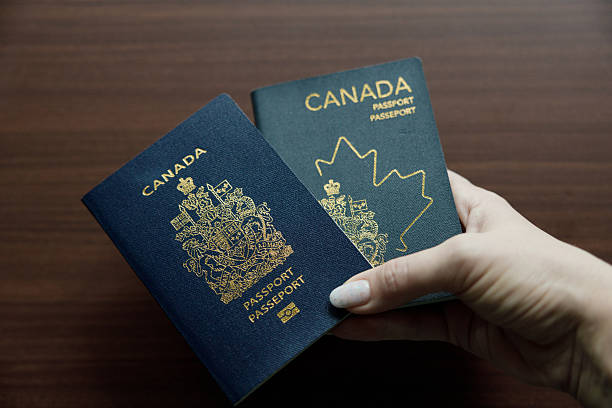
Canada remains one of the world’s most attractive destinations for immigrants due to its strong economy, world-class education system, high quality of life, and friendly immigration policies. In 2025, the Canadian government continues to welcome skilled workers, international students, families, and entrepreneurs through multiple immigration pathways designed to support the country’s economic growth and labor needs.
Below is a complete guide on the main ways to immigrate to Canada, the requirements, and tips to increase your chances of success.
1. Express Entry Program
The Express Entry system is the fastest and most popular way to immigrate to Canada as a skilled worker.
Streams under Express Entry
- Federal Skilled Worker Program (FSWP)
- Federal Skilled Trades Program (FSTP)
- Canadian Experience Class (CEC)
Basic Requirements
- Age between 18–45
- Bachelor’s degree or higher (ECA required)
- English or French test (IELTS, CELPIP, or TEF)
- Work experience: minimum 1 year
- Proof of funds
- Good CRS score
Processing Time:
6–12 months depending on your CRS points and draws.
2. Provincial Nominee Program (PNP)
PNPs are ideal for applicants with lower CRS scores or those who want to settle in a specific province.
Popular PNP Programs
- Ontario Immigrant Nominee Program (OINP)
- British Columbia PNP
- Alberta Advantage Immigration Program
- Saskatchewan SINP
- Manitoba MPNP
A provincial nomination gives 600 additional CRS points, almost guaranteeing permanent residence.
3. Canada Work Permit
If you don’t qualify directly for PR, you can move to Canada through a job offer.
Types of Work Permits
- LMIA-based Work Permit (most common)
- Open Work Permit (for spouses of students, temporary residents, and certain programs)
Advantages
- You gain Canadian work experience
- Easier pathway to PR through Express Entry or PNP
4. Study in Canada → PR Pathway
Canada is a top destination for international students.
Steps
- Apply for admission to a designated learning institution (DLI)
- Obtain a study permit
- Work part-time as a student
- Apply for a Post-Graduation Work Permit (PGWP)
- Apply for PR through CEC or PNP
Benefits
- High chances of permanent residency
- Opportunity to work while studying
5. Family Sponsorship
Canadian citizens and permanent residents can sponsor family members.
Eligible Relatives
- Spouse or partner
- Dependent children
- Parents and grandparents (via Super Visa or sponsorship)
6. Business and Investor Immigration
For entrepreneurs and investors.
Main Pathways
- Start-Up Visa Program
- Provincial Entrepreneur Streams
- Self-Employed Program (for artists and athletes)
7. Asylum and Refugee Programs
For individuals fleeing persecution, war, or danger.
Key Documents Required for Most Programs
- Passport
- Educational Credential Assessment (ECA)
- IELTS/CELPIP/TEF results
- Police clearance
- Medical examination
- Proof of funds
- Work experience documents (employment letters or contracts)
Tips to Increase Your Chances
- Improve your IELTS score
- Get more work experience
- Apply for PNP to boost your CRS score
- Consider studying in Canada
- Expand job search to smaller provinces
- Hire a regulated immigration consultant (RCIC) if needed