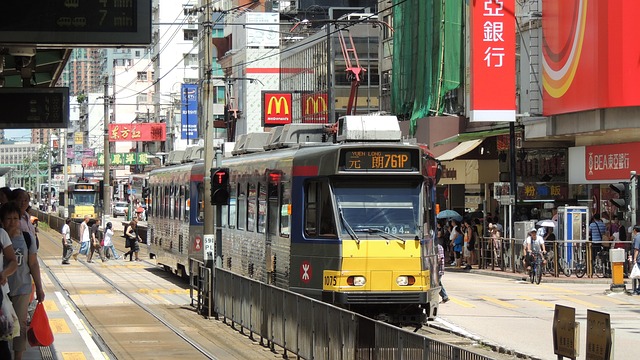
Canada’s public transit systems—including buses, subways, light rail, commuter trains, and ferries—play a central role in supporting the national economy. From major urban areas like Toronto, Vancouver, and Montreal to rapidly growing mid-sized cities such as Ottawa, Calgary, and Edmonton, efficient public transit helps reduce congestion, connect workers to jobs, and attract investment. As cities continue to expand, transit infrastructure becomes increasingly vital to sustainable economic growth.
This article explores the economic advantages of Canada’s public transit systems, including job creation, productivity gains, environmental benefits, and enhanced urban development.
1. The Importance of Public Transit in Canada’s Economy
Public transit is a backbone of economic activity across Canada. Millions of Canadians rely on transit daily for commuting, business, and education. Because over 80% of Canada’s population lives in urban areas, transit systems significantly shape labour mobility and economic productivity.
Why Transit Matters Economically
- It reduces traffic congestion and delays.
- It lowers transportation costs for households.
- It increases accessibility to employment.
- It supports trade, tourism, and business clusters.
- It reduces environmental and health costs associated with pollution.
2. Job Creation and Infrastructure Investment
Public transit systems are major job creators in Canada. Building, maintaining, and operating transit services requires thousands of workers in:
- Construction
- Engineering
- Operations and maintenance
- Technology and communications
- Manufacturing (rail cars, buses, parts)
Economic Impact of Transit Funding
Government investments in transit create ripple effects across the economy. Major projects like Toronto’s Eglinton Crosstown LRT, Vancouver’s SkyTrain extensions, and Montreal’s REM generate:
- Direct jobs (construction and operations)
- Indirect jobs (suppliers and equipment manufacturing)
- Induced jobs (economic activity created by worker spending)
Every billion dollars invested in transit can create tens of thousands of jobs, supporting long-term economic stability.
3. Increased Productivity and Reduced Congestion
Traffic congestion costs Canadian cities billions every year due to lost time, delayed deliveries, and reduced productivity. Efficient transit systems reduce the number of cars on the road, decreasing commute times and improving business efficiency.
Productivity Benefits Include:
- Workers arrive on time with less stress.
- Freight and commercial vehicles move faster.
- Businesses reduce transportation-related costs.
- Regions with good transit attract more employers and talent.
Cities with strong transit (Toronto, Vancouver, Montreal) consistently achieve higher labour force participation and greater economic output per capita.
4. Boosting Local Businesses and Urban Development
Public transit stimulates growth around stations and transit corridors. Transit-oriented development (TOD) attracts:
- Retail stores
- Office buildings
- Residential towers
- Hotels
- Entertainment districts
Areas like Toronto’s Yonge Street corridor, Vancouver’s Broadway corridor, and Montreal’s metro-linked neighbourhoods demonstrate how transit access attracts investment and boosts property values.
Economic Effects of Transit-Oriented Development
- Higher business revenues
- Rising property values
- Increased municipal tax revenue
- Creation of walkable, vibrant communities
Transit corridors often become high-density economic hubs.
5. Supporting Tourism and International Travel
Tourists rely heavily on public transit when visiting major Canadian cities. Systems like the TTC, Vancouver’s SkyTrain, and Montreal’s Metro offer convenient access to:
- Airports
- Downtowns
- Museums
- Sporting venues
- Shopping districts
- Waterfront attractions
Reliable transit increases visitor satisfaction and boosts spending in hospitality, retail, and entertainment.
6. Environmental and Health Cost Savings
A strong public transit network reduces greenhouse gas emissions by decreasing dependency on personal vehicles. Environmental benefits translate to economic gains through:
- Lower healthcare costs
- Reduced air pollution
- Lower road maintenance expenses
- Less demand for parking infrastructure
Cleaner air and reduced traffic collisions also improve population health and reduce government spending on healthcare services.
7. Accessibility and Inclusive Economic Growth
Public transit provides affordable mobility for:
- Low-income earners
- Students
- Seniors
- Immigrants
- People with disabilities
This inclusivity supports a larger workforce and reduces barriers to economic participation. When more people can reach job markets and education centers, the national economy becomes stronger and more resilient.
8. Future Growth of Canada’s Public Transit Systems
Canada is investing heavily in expanding and modernizing transit networks. Key future developments include:
- Zero-emission electric buses
- Automated light rail systems
- Subway extensions in Toronto, Montreal, and Vancouver
- New commuter rail connections (Ontario Line, REM expansion)
- Smart transit technologies (real-time tracking, integrated payments)
These projects will enhance mobility, reduce emissions, and strengthen economic competitiveness for decades.
Conclusion: Public Transit as a Driver of Canada’s Economic Prosperity
Canada’s public transit systems are more than transportation networks—they are engines of economic growth, job creation, and sustainable development. By improving mobility, reducing congestion, supporting businesses, and promoting environmental health, transit systems help build stronger and more productive Canadian cities.
As Canada continues urbanizing, public transit investment will remain essential for economic resilience and long-term prosperity.