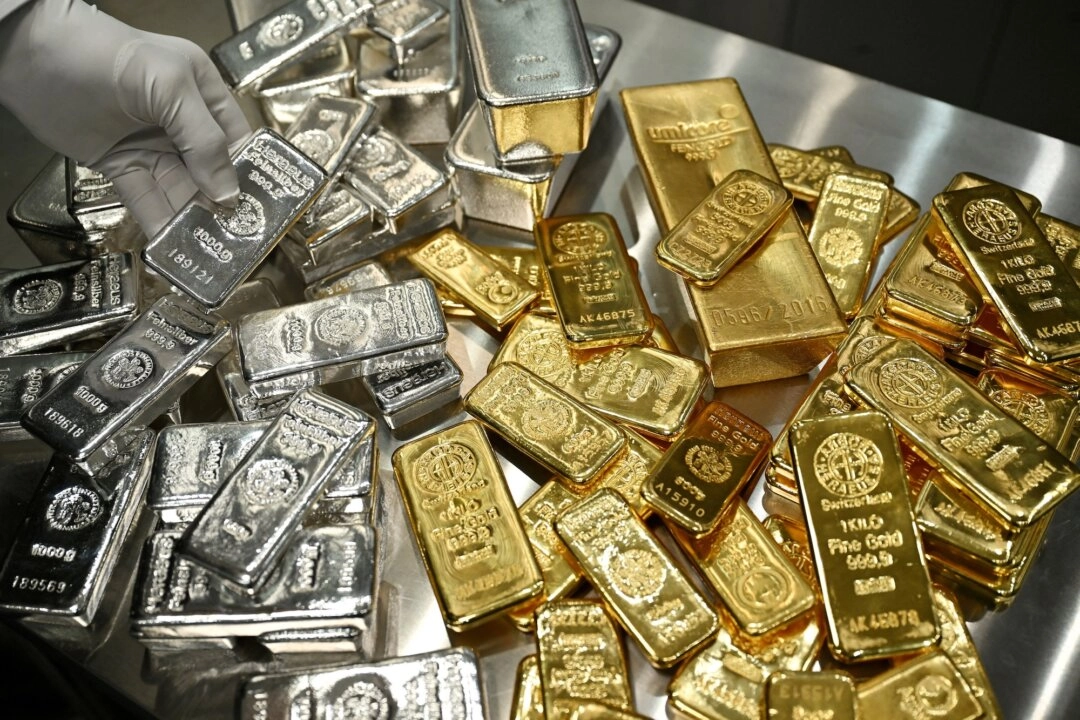
Chinese companies attempted to secure large quantities of physical silver from Canada at well above market prices in late December 2025, just days before Beijing was set to introduce new export restrictions on the metal. The unusual offers have added to concerns about tightening global silver supplies and the growing strategic importance of the precious metal.
According to Kuya Silver, two Chinese firms contacted the company on December 26, 2025, offering to buy silver at $83 per ounce, roughly $8 above the prevailing market price at the time. The requests were revealed by Kuya Silver CEO David Stein during an interview with Arcadia Economics.
Stein explained that Kuya Silver does not sell refined silver bars, as it primarily produces silver concentrate. As a result, the company was unable to meet the requests. However, the outreach itself was notable.
“The fact that they’re calling companies like ours suggests a level of urgency,” Stein said, describing what appeared to be widespread efforts to secure silver supplies before regulatory changes took effect.
Rising Global Scramble for Physical Silver
Beyond the Chinese inquiries, Stein also confirmed that an Indian buyer had recently approached Kuya Silver with an offer exceeding $10 per ounce above market prices, signaling a broader global scramble for physical silver.
Kuya Silver operates two major projects: the Bethania Silver Project in Peru and the Silver Kings Project in Northern Ontario, positioning it within both global and Canadian silver supply chains.
China Elevates Silver to Strategic Status
The surge in interest came as China prepared to implement tighter controls on silver exports starting in 2026. In October 2025, China’s Ministry of Commerce announced new restrictions on several critical materials. By December, Chinese authorities released a list of 44 approved exporters allowed to ship silver under the new framework.
Notably, the policy reclassified silver from a standard commodity to a strategic material, placing it under a regulatory regime similar to that governing rare earth elements. Analysts say this move reflects silver’s growing importance in high-tech manufacturing and national security.
Silver Joins Critical Minerals Lists in the West
The tightening of Chinese export controls coincided with similar strategic reassessments elsewhere. In November 2025, the United States added silver to its national list of critical minerals, highlighting concerns over supply security.
According to the U.S. Geological Survey, silver production in 2024 stood at:
- China: 3,300 metric tons
- United States: 1,100 metric tons
- Canada: 300 metric tons
Despite China’s dominant production, export restrictions have heightened fears of supply bottlenecks, especially for countries dependent on imported silver.
Record Prices and Market Volatility
Silver prices surged dramatically in late 2025, rising from around $50 per ounce in November to an all-time high of $83 on December 28, before retreating to roughly $70 in early January. Overall, silver gained approximately 145 percent in 2025, marking its strongest annual performance since 1979.
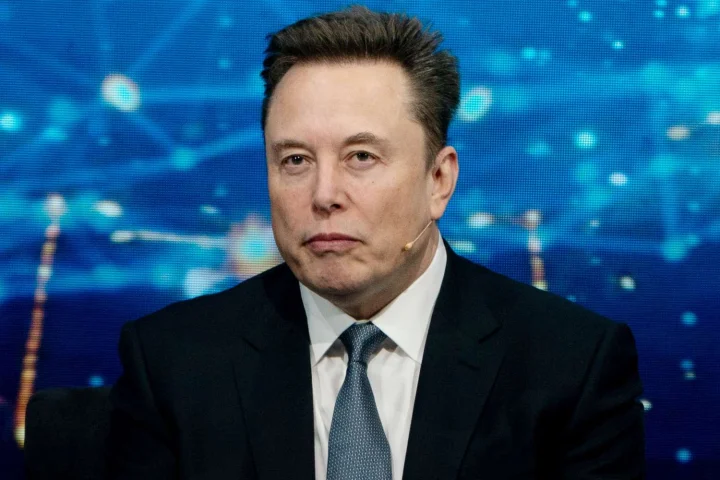
The rapid price escalation drew attention from industry leaders, including Elon Musk, who warned on social media that soaring silver prices could disrupt industrial supply chains. “Silver is needed in many industrial processes,” Musk wrote, pointing to its critical role in advanced manufacturing.
Why Silver Matters More Than Ever
While silver has historically served as a store of value and currency, its modern importance lies increasingly in industrial applications. The metal is essential for:
- Solar panels and renewable energy systems
- Electric vehicles and battery technologies
- Semiconductors and advanced electronics
- Military equipment, including missiles and drones
Much of the world’s silver supply is produced as a byproduct of copper and lead-zinc mining, making supply growth less responsive to price increases compared to primary metals.
Canada’s Position in the Precious Metals Landscape
The surge in silver interest also contrasts with Canada’s stance on precious metals reserves. While gold prices rose about 68 percent in 2025, Canada remains the only G7 country without at least 100 tonnes of gold in official reserves. The Bank of Canada sold its remaining gold holdings in 2016, opting instead to focus on highly liquid financial assets.
As silver increasingly joins gold and rare earths as a strategic resource, Canada’s role as a stable producer may draw heightened international attention—particularly as geopolitical competition over critical materials intensifies.
Big Picture
The attempts by Chinese companies to purchase Canadian silver at premium prices underscore a rapidly changing global commodities landscape. With silver now formally treated as a strategic material by major powers, competition for secure supply chains is likely to intensify. For miners, manufacturers, and governments alike, silver’s transformation from a traditional precious metal into a critical industrial input marks a pivotal shift heading into 2026.