Trump Raises Tariffs on more than 90 countries after the US deadline to negotiate trade deals expired. Canada now faces a 35% tariff, up from 25%. Prime Minister Mark Carney expressed disappointment, though most Canadian goods remain exempt due to a prior trade agreement.
The US also paused Mexico’s higher tariffs for 90 days. However, Brazil must now pay a steep 50% levy. Trump originally unveiled the plan in April, sparking global financial turmoil. He later delayed implementation, allowing countries time to negotiate.
Despite softer terms than initially announced, the tariffs still disrupt trade. Importing firms must now pay more, and experts warn of rising consumer costs.
Pharmaceutical firms, including AstraZeneca and GSK, were told to lower US drug prices. Trump warned they must act within 60 days or face penalties. This threat rattled the stock market. German and British pharmaceutical stocks fell, including Merck and AstraZeneca, which lost 3.8% in value.
Switzerland was hit with a 39% tariff. Its government will assess the situation and decide on next steps. Talks had been ongoing, and Swiss authorities say this move deviates from recent draft agreements.
South Africa was singled out for a 30% tariff starting 7 August. Ramaphosa’s government says it remains open to talks and is preparing support for affected businesses. Trump criticized South Africa’s policies and previously cut aid, alleging discrimination against whites—claims Pretoria denies.
Meanwhile, China avoided the current tariff wave. Talks between Beijing and Washington continue, with a 90-day pause set to end on 12 August. China’s foreign ministry repeated its opposition to protectionism, saying it hurts all sides.
US customs duty collections rose sharply. In June 2025 alone, tariffs brought in $28 billion—triple the previous year’s revenue. However, the Congressional Budget Office predicts that economic damage from reduced trade will outweigh those gains.
Trump insisted his strategy is working. He noted “hundreds of billions of dollars” flowing in and said other countries missed their chance to strike deals before the tariffs took effect.
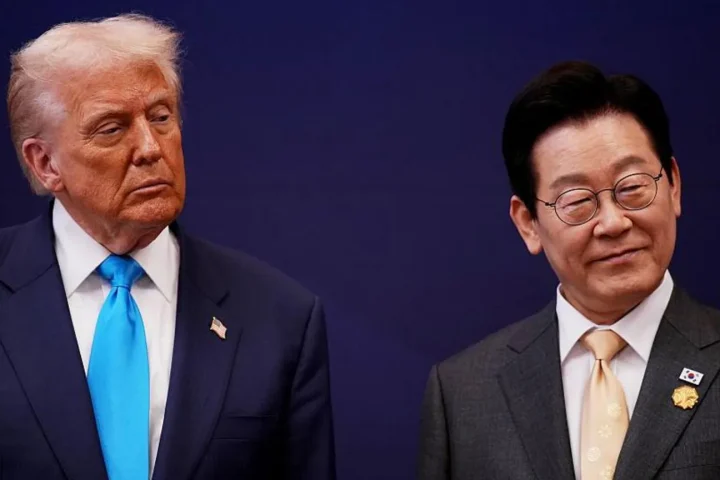
Though less aggressive than in April, the levies remain high. South Korea, for instance, avoided increased defense cost-sharing for now. But its president will meet Trump soon to finalize unresolved issues.
Some nations managed last-minute agreements. Cambodia agreed to purchase Boeing jets and welcomed a reduced 19% tariff. Laos and Myanmar, suspected of facilitating Chinese trade trans-shipment, were hit with 40% levies.
Trump’s stance stems from his belief in economic nationalism. In April, he announced a 10% base tariff on all imports. Some nations faced even steeper rates. Though many struck deals, key US partners like Canada and Mexico still haven’t.
Carney, Canada’s leader, pledged to strengthen domestic industries in response. He said Canadians must now become their own best customers, building resilience through local production.
In Australia, officials expressed relief that Trump kept a 10% tariff on the remote Heard and McDonald Islands. Trade Minister Don Farrell called the decision “clearly a mistake,” while Prime Minister Albanese warned that “nowhere on Earth is safe.”
Trump’s tariffs also complicate business for tech giants. Apple, which had shifted production to India, now faces a 25% US levy on Indian imports. This change may raise iPhone prices and strain Apple’s US sales.
As global trade adjusts, Trump’s approach has delivered mixed results. Some countries secured favorable deals. Others, like Brazil and South Africa, face steep costs. The long-term economic impact remains uncertain.