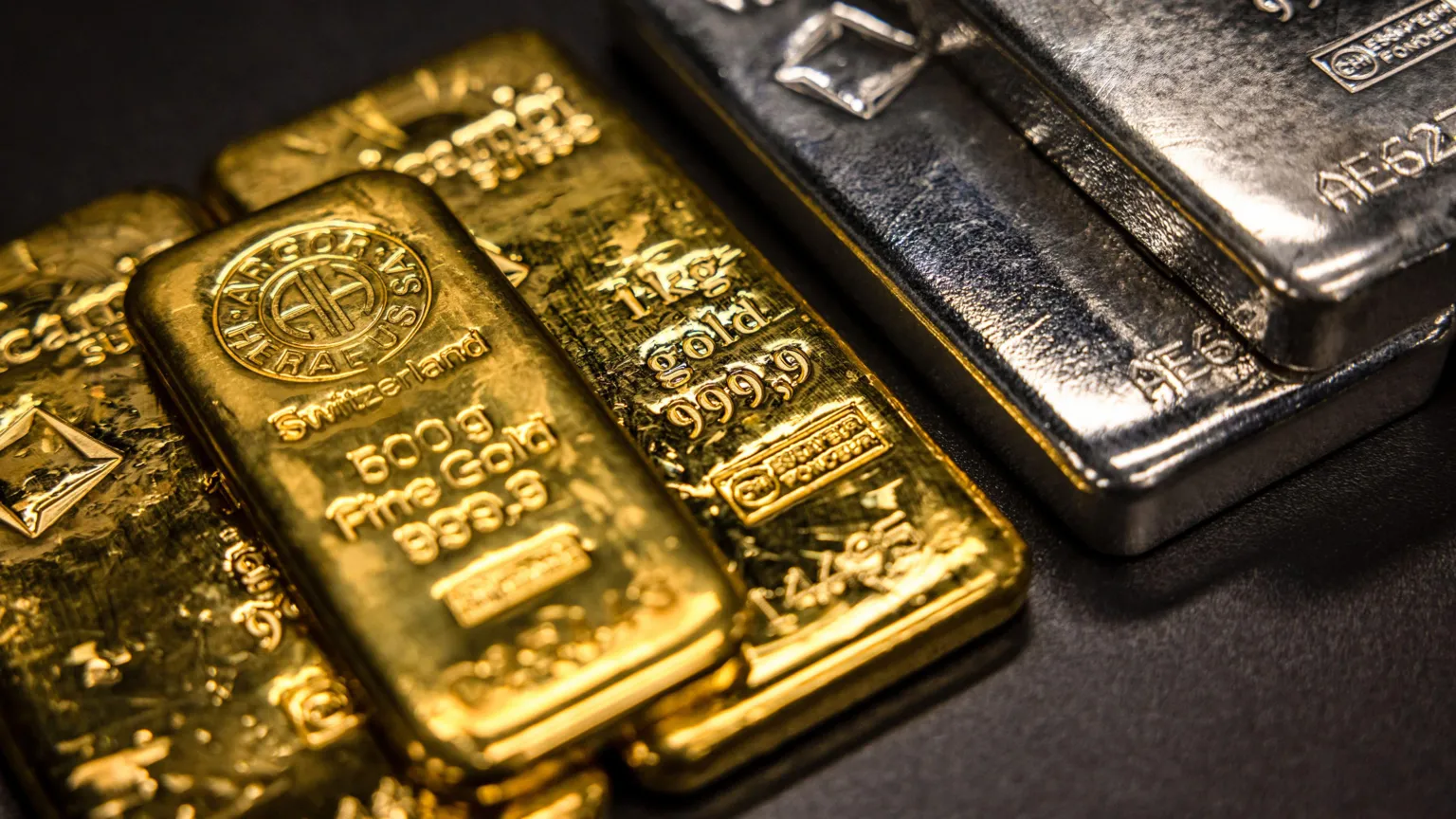
Gold and silver prices have continued a significant downturn after a dramatic reversal of a rally that had driven both precious metals to historic highs earlier this year. Spot gold at one point dipped nearly 10 percent, and silver slumped by as much as 15 percent before both regained some ground as markets opened this week.
Record Highs and Sudden Reversal
The latest price moves come after investors had poured money into gold and silver as “safe haven” assets amid ongoing geopolitical uncertainty. Record prices were logged in January, with buyers seeking shelter from market volatility and unrest in key regions. However, recent developments in US monetary policy expectations and changes to trading rules for precious metals have altered market dynamics swiftly.
Prices initially plunged in Asian trade on Monday, with gold later stabilizing at about $4,790 per ounce, still down more than 2 percent for the day. Silver also rebounded to around $82.50 per ounce, reflecting a loss of more than 3 percent. Analysts say the sharp moves illustrate how quickly sentiment can shift in global markets.
Trump’s Fed Nomination and Dollar Surge
One of the most immediate catalysts for the recent fall in gold and silver prices was the news that President Donald Trump nominated former Federal Reserve governor Kevin Warsh to serve as the next Fed chair. Financial markets reacted quickly, with the US dollar gaining roughly 1 percent on the announcement. A stronger dollar typically puts downward pressure on commodities priced in dollars, including gold and silver.
While the nomination was broadly welcomed by equities and bond markets, it appears to have triggered profit-taking in precious metals after weeks of sustained gains. Spot gold on Friday logged its steepest one-day drop since the early 1980s, falling more than 9 percent, while silver’s decline reached roughly 27 percent on heavy trading volume.
Another factor cited by traders for the sell-off was a shift in trading requirements on a major commodity exchange, which substantially increased the cost for speculators to hold positions in precious metals. Higher margin requirements and tighter rules tend to reduce speculative demand, contributing to falling prices.
Read Also
Trump Raises Tariffs
Meta Premium Subscriptions
Netflix vs Warner Bros
Trump’s Greenland Tariffs Threat
Despite recent declines, gold and silver prices remain substantially above levels seen a year ago. Gold is still trading roughly 70 percent higher year-on-year, illustrating strong underlying demand. Many investors say that even with recent volatility, the long-term outlook for precious metals remains influenced by factors such as monetary policy, inflation expectations, and global growth concerns.
Commodity Sell-off and Global Market Impact
The decline in precious metals has occurred alongside broader commodity pressures and mixed equity performance. Asian stock markets extended losses on Monday, with South Korea’s Kospi index falling about 5 percent. The Hang Seng in Hong Kong dropped roughly 2 percent, while Japan’s Nikkei 225 slipped just over 1 percent during early trading.
In contrast, some European markets showed resilience. The UK’s FTSE 100 initially fell on commodity weakness but later recovered to post modest gains. Mining companies, particularly those involved in gold production, were among the hardest hit by the recent price slide, with shares of major gold miners like Fresnillo and Endeavour Mining down more than 2 percent on the day.
US markets displayed mixed activity, with the S&P 500 initially dipping but finishing higher by roughly 0.1 percent. Equities traders have been monitoring how the Fed’s leadership and policy direction could influence interest rates, liquidity, and risk assets. Wall Street analysts widely expect the central bank to cut interest rates at least twice in 2026, a move that often boosts demand for non-yielding assets like gold.
Oil Prices and Global Energy Markets
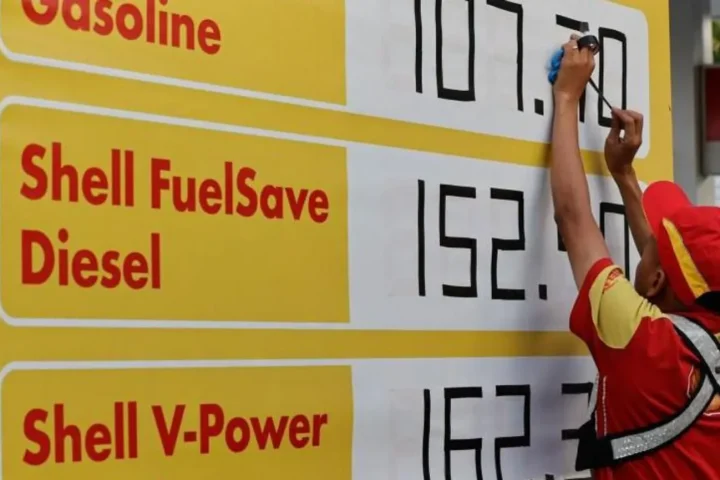
Global energy markets have also seen pressure, with crude oil prices falling nearly 5 percent. Factors cited include major oil producers agreeing to maintain output and signs of easing tensions between the United States and Iran. A stronger dollar also makes dollar-priced commodities like oil relatively more expensive for buyers using other currencies, potentially reducing demand.
Precious metals enjoyed a blockbuster 2025, with gold recording its largest annual gain since 1979. Throughout last year, heightened fears over tariffs, slowing global growth, and concerns about overvaluation in sectors such as technology drove investors toward safe-haven assets. Gold prices peaked above $5,500 per ounce at the end of January, and silver similarly reached record highs above $120 per ounce.
Read Also
Trump Raises Tariffs
Meta Premium Subscriptions
Netflix vs Warner Bros
Trump’s Greenland Tariffs Threat
One enduring appeal of gold and silver as investments lies in their scarcity and historical role as stores of value. According to industry estimates, only around 216,265 tonnes of gold have ever been mined worldwide, contributing to its perception as a stable asset. Central banks around the world have also increased bullion purchases in recent years, further supporting demand.
However, as markets adjust to new realities — including changes in Fed leadership expectations and revisions to trading conditions — prices may continue to fluctuate. Traders at major banks have noted that the recent drop in gold and silver prices may have been accelerated because the rally had become highly extended. Once profit-taking began, momentum traders exited positions rapidly, amplifying declines.
Even so, many investors continue to view gold and silver as strategic hedges against inflation and systemic risk. The recent sell-off underscores the dynamic nature of commodity markets and how quickly trader sentiment can shift in response to economic and policy developments. As the global economic outlook evolves, precious metals will likely remain a closely watched asset class.
Read Also
Newtonz Group Insight
Canada Inflation November
Netflix and Warner Bros Update
Gold and silver prices continue to be shaped by a complex mix of monetary policy, market psychology, and macroeconomic indicators, with recent developments offering both challenges and opportunities for investors and traders alike.