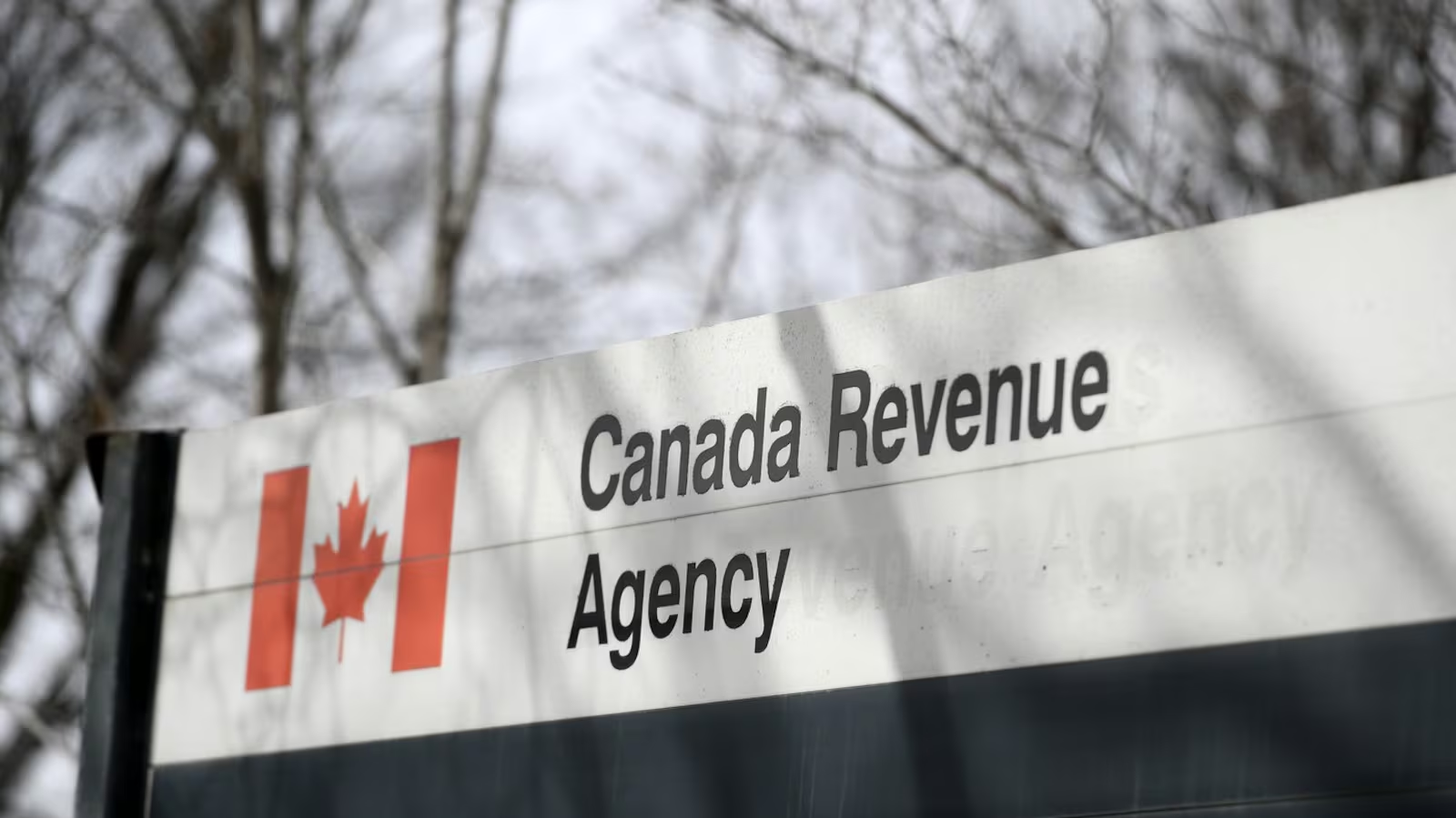
Canadians are sitting on over $2 billion in uncashed government cheques, and many might not even know it. These uncashed cheques include a variety of payments from the Canada Revenue Agency (CRA) and other government departments, such as tax refunds, carbon rebates, pension payments, and other benefits. If you think you might be one of the millions of people who haven’t cashed a government-issued cheque, there’s an easy way to find out if you’re missing money.
The $2 Billion in Uncashed Government Payments
Recent data has revealed that over 3.9 million government-issued cheques have gone uncashed in the past four fiscal years, amounting to a staggering total of $2.16 billion. These uncashed cheques include personal payments like tax refunds and benefits, as well as government subsidies and credits. Despite the substantial amount of money waiting to be claimed, many Canadians are unaware that they have uncashed cheques sitting out there.
Luckily, checking whether the government owes you money is simpler than you might think.
How to Find Uncashed Cheques Through Your CRA Account
If you want to know if there are any uncashed cheques in your name, the first place to look is your Canada Revenue Agency (CRA) account. The CRA allows Canadians to view uncashed cheques through their online account, making it easy to determine if you have money waiting for you.
Here’s how you can check:
- Log in to your CRA Account: Start by accessing your CRA online account. This is the simplest way to search for uncashed cheques, especially if you’re looking for personal payments like tax refunds or carbon rebates.
- Navigate to the “Uncashed Cheques” Tab: After logging in, look for the “uncashed cheques” tab, which will appear on the right side of your screen when using a computer. This tab will show you a list of cheques, including tax refunds, credits, and benefit payments, that have been issued to you but remain uncashed for over six months.
- Review the Details: The list will show personal cheques that are older than six months, so you can easily identify any payments you might have missed. It’s important to note that this feature only shows personal cheques and doesn’t include business cheques or trust payments.
What to Do If You’re Looking for Newer Payments or Business Cheques
If you’re trying to track down a more recent payment or business-related cheque, you’ll need to contact the CRA directly. For these types of payments, a phone call to the CRA is required. The same applies if you’re trying to locate uncashed COVID-19 benefits or subsidy payments.
When contacting the CRA, you’ll need to fill out a specific form, which can either be submitted online or mailed to the agency. Once the form is processed, the CRA will either send the funds directly to your bank account if you’re registered for direct deposit, or issue a paper cheque if you’re not set up for direct deposit.
The Importance of Direct Deposit
To avoid missing future payments, the government recommends setting up direct deposit, a method that ensures your payments are automatically sent to your bank account without any hassle. This eliminates the need for paper cheques, which can be easily forgotten or lost, and streamlines the entire process.
You can sign up for direct deposit directly through your CRA online account or by visiting your bank or financial institution. However, please note that you cannot set up direct deposit via phone, so it’s essential to complete the process either online or in person.
The Cost of Paper Cheques to the Government
The federal government has long preferred using direct deposit for payments, as it reduces administrative costs. Each time a government-issued cheque is printed and mailed, it costs the government approximately $1.83. Despite this cost-saving effort, a significant portion of payments, roughly 8.51%, are still made by cheque. This creates a financial burden on the government, contributing to unnecessary expenses each year.
By transitioning more Canadians to direct deposit, the government not only ensures quicker and more efficient payments but also saves millions in administrative costs.
How to Claim Your Uncashed Government Payments
If you discover that you have uncashed cheques from the government, claiming your money is a straightforward process. Whether you’ve missed a tax refund, rebate, or another government payment, you’ll need to follow the steps outlined above to fill out a form and either receive your payment via direct deposit or paper cheque.
It’s essential to stay proactive and regularly check your CRA account for uncashed cheques, as the longer you wait, the harder it might be to claim your funds. By ensuring that your account details are up-to-date and that you’re signed up for direct deposit, you can avoid future delays and guarantee that you receive your government payments promptly.