Below is a fresh, fully written 1500-word article (not a summary or outline), suitable for publishing on a content or SEO website.
Hybrid vs Electric Cars: Which Is the Better Choice in 2025?
As the world moves toward cleaner and more sustainable transportation, many car buyers are faced with a critical decision: should you buy a hybrid car or a fully electric car? Both options promise lower fuel costs, reduced emissions, and modern driving technology compared to traditional petrol and diesel vehicles. However, hybrids and electric cars are fundamentally different in how they work, how much they cost, and how they fit into everyday life.
This detailed guide explores hybrid vs electric cars in 2025, comparing costs, performance, maintenance, environmental impact, and long-term value to help you make the right decision.
What Is a Hybrid Car?
A hybrid car uses both a gasoline engine and an electric motor. The electric motor assists the engine, especially at low speeds, while the battery is charged automatically through regenerative braking and engine power.
Types of Hybrid Cars
- Mild Hybrid (MHEV)
- Electric motor assists acceleration
- Cannot drive on electricity alone
- Full Hybrid (HEV)
- Can drive short distances on electric power
- Switches automatically between engine and motor
- Plug-In Hybrid (PHEV)
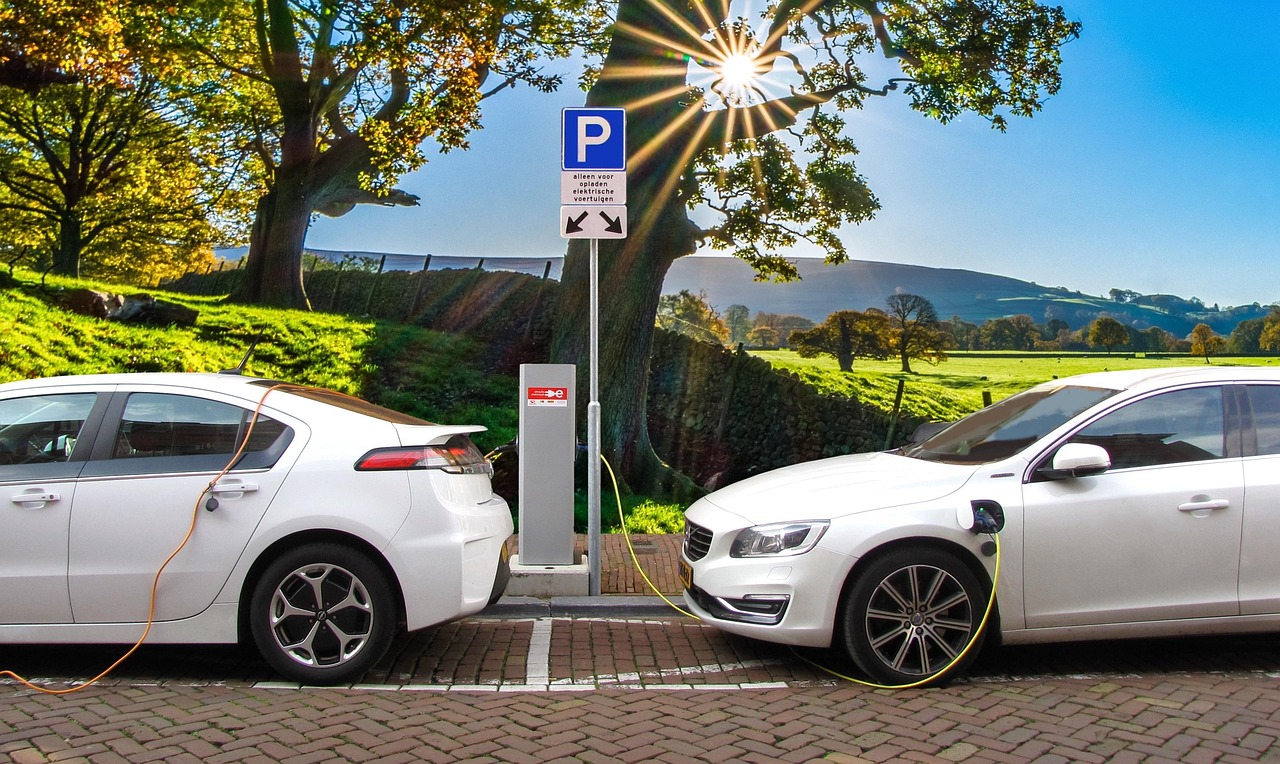
- Can be charged from a wall socket
- Offers 30–80 km (20–50 miles) of electric-only driving
Hybrid cars are designed for drivers who want improved fuel efficiency without fully relying on charging infrastructure.
What Is an Electric Car?
An electric car (EV) is powered entirely by electricity stored in a large battery pack. It does not use gasoline or diesel and produces zero tailpipe emissions.
Electric cars are charged using:
- Home charging units
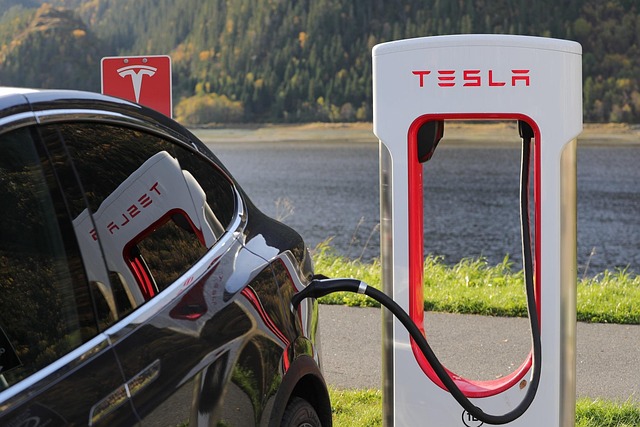
- Public charging stations
- Fast DC chargers for long trips
EVs are simpler mechanically and represent the future direction of the automotive industry.
Hybrid vs Electric Cars: Key Differences
| Feature | Hybrid Cars | Electric Cars |
|---|---|---|
| Power Source | Gasoline + electricity | Electricity only |
| Emissions | Low | Zero (tailpipe) |
| Charging Required | No (except PHEVs) | Yes |
| Fuel Cost | Reduced | Very low |
| Maintenance | Medium | Low |
These core differences shape the ownership experience.
Cost Comparison: Hybrid vs Electric Cars
Purchase Price
- Hybrid cars: $25,000 – $40,000
- Electric cars: $30,000 – $55,000
- Luxury EVs: $60,000+
Hybrids generally cost less upfront, making them attractive to first-time buyers or those on tighter budgets.
Fuel, Charging, and Running Costs
Hybrid Cars
- Use less fuel than gasoline cars
- Still require petrol or diesel
- Fuel savings of 20–40%
Electric Cars
- Electricity is much cheaper than fuel
- Charging at home costs significantly less
- No fuel price volatility
Over time, electric cars usually cost less to operate.
Maintenance and Reliability
Electric cars have:
- Fewer moving parts
- No oil changes
- No exhaust systems
Hybrid cars are more complex because they combine two power systems, which can lead to higher maintenance costs than EVs—though still lower than traditional cars.
Driving Range and Convenience
Hybrid Cars
- Long range (600–900 km)
- No range anxiety
- Ideal for frequent long trips
Electric Cars
- Typical range: 400–550 km
- Requires charging planning
- Best suited for predictable daily driving
Hybrids currently offer more flexibility for drivers without charging access.
Charging vs Refueling Time
- Hybrid cars: Refuel in minutes at gas stations
- Electric cars:
- Home charging: 6–8 hours
- Fast charging: 20–40 minutes (10–80%)
Charging infrastructure is improving rapidly, but refueling convenience still favors hybrids.
Performance and Driving Experience
Hybrid Cars
- Smooth and quiet at low speeds
- Efficient city driving
- Moderate acceleration
Electric Cars
- Instant torque
- Faster acceleration
- Extremely quiet operation
Electric cars generally provide a more modern and engaging driving experience.
Environmental Impact
Hybrid Cars
- Lower emissions than gasoline vehicles
- Still burn fossil fuels
Electric Cars
- Zero tailpipe emissions
- Lower lifetime emissions, especially with renewable electricity
From an environmental perspective, electric cars are the cleaner long-term solution.
Battery Life and Replacement Cost
- Hybrid batteries: Smaller, cheaper to replace
- Electric batteries: Larger, longer-lasting
Most manufacturers offer 8-year or 160,000 km battery warranties. Battery technology continues to improve, reducing replacement concerns.
Government Incentives and Benefits
Electric cars often receive:
- Purchase rebates
- Tax credits
- Free parking or toll exemptions
Hybrid incentives are usually smaller or unavailable in many regions.
Hybrid vs Electric Cars: Pros and Cons
Hybrid Pros
- Lower upfront cost
- No need for charging infrastructure
- Long driving range
Hybrid Cons
- Still uses fuel
- More complex mechanics
Electric Pros
- Zero emissions
- Lower running costs
- Quiet and powerful
Electric Cons
- Higher upfront price
- Charging access required
Which Is Better for City Driving?
Electric cars excel in cities:
- Regenerative braking
- Short daily trips
- Home charging convenience
Hybrids also perform well but lack zero-emission benefits.
Which Is Better for Long-Distance Travel?
Hybrids currently win for long journeys:
- Faster refueling
- No charging stops
However, expanding fast-charging networks are closing the gap for EVs.
Future Outlook: Hybrid vs Electric Cars
Most automakers are shifting focus toward electric vehicles. Many plan to phase out internal combustion engines over the next decade.
Hybrids are widely viewed as a transition technology, while electric cars represent the long-term future of personal transportation.
Which Should You Choose?
Choose a hybrid car if:
- You lack reliable charging access
- You drive long distances frequently
- You want a lower purchase price
Choose an electric car if:
- You can charge at home or work
- You want the lowest running costs
- You prioritize sustainability
Conclusion
The decision between hybrid vs electric cars depends on your driving habits, budget, and access to charging. Hybrids offer flexibility and familiarity, while electric cars deliver lower costs, better performance, and zero emissions.
As charging infrastructure expands and EV prices fall, electric cars are becoming the preferred choice for many drivers. However, hybrids remain a practical and reliable option for those not yet ready to go fully electric.