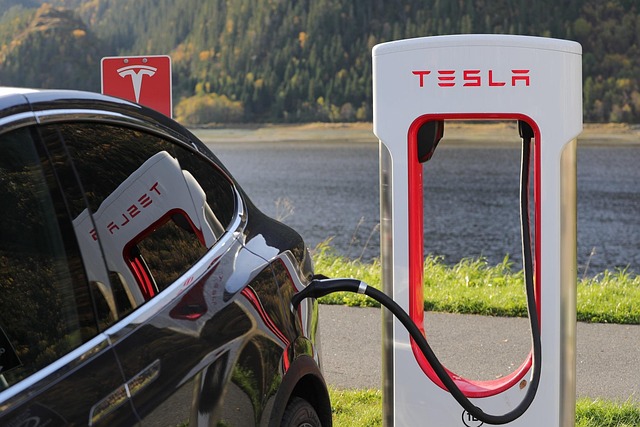
Self-driving cars, also known as autonomous vehicles (AVs), are no longer science fiction. Rapid advances in artificial intelligence, sensors, and computing power have pushed autonomous driving technology from research labs onto real roads. Major automakers and technology companies are investing billions of dollars to develop vehicles that can drive themselves with little or no human intervention.
In this article, we explore what self-driving cars are, how they work, their benefits and challenges, current progress, and what the future holds for autonomous vehicles in 2025 and beyond.
What Are Self-Driving Cars?
A self-driving car is a vehicle capable of sensing its environment and navigating roads without human control. These vehicles rely on a combination of software, hardware, and artificial intelligence to make driving decisions such as steering, braking, accelerating, and avoiding obstacles.
Self-driving cars aim to reduce human error, which is responsible for the majority of road accidents worldwide. By using advanced sensors and real-time data, autonomous vehicles promise safer, more efficient transportation.
Levels of Self-Driving Automation
The Society of Automotive Engineers (SAE) defines six levels of vehicle automation, ranging from no automation to full autonomy:
Level 0 – No Automation
The driver controls everything. Most traditional cars fall into this category.
Level 1 – Driver Assistance
The car assists with either steering or speed control, such as cruise control.
Level 2 – Partial Automation
The vehicle can steer and accelerate simultaneously, but the driver must stay attentive. Examples include Tesla Autopilot and GM Super Cruise.
Level 3 – Conditional Automation
The car handles driving under specific conditions, but the driver must take over when requested.
Level 4 – High Automation
The vehicle can drive itself in defined areas without human input.
Level 5 – Full Automation
No steering wheel or pedals are required. The car drives itself in all conditions.
Currently, most commercially available vehicles operate at Level 2, with limited Level 3 and Level 4 pilots in select regions.
How Do Self-Driving Cars Work?
Self-driving cars rely on a complex system of technologies working together:
Sensors
- Cameras detect lane markings, traffic lights, and signs
- Radar measures distance and speed of nearby objects
- Lidar creates a 3D map of the surroundings
Artificial Intelligence
AI processes sensor data, identifies objects, predicts movement, and makes driving decisions in real time.
High-Definition Maps
Autonomous vehicles use detailed maps that include lane-level information, traffic patterns, and road geometry.
Control Systems
These systems execute decisions by controlling steering, braking, and acceleration.
Benefits of Self-Driving Cars
1. Improved Road Safety
Human error causes over 90% of road accidents. Autonomous vehicles can reduce crashes caused by distraction, fatigue, or impaired driving.
2. Reduced Traffic Congestion
Self-driving cars can communicate with each other, optimize routes, and maintain efficient spacing, reducing traffic jams.
3. Increased Mobility
Autonomous vehicles can provide transportation for elderly people, disabled individuals, and those unable to drive.
4. Lower Transportation Costs
Robotaxis and shared autonomous fleets could reduce the cost of car ownership and transportation services.
5. Environmental Benefits
Efficient driving and optimized routes can lower fuel consumption and emissions, especially when combined with electric vehicles.
Challenges Facing Self-Driving Cars
Despite progress, self-driving technology faces significant challenges:
Safety and Reliability
Autonomous systems must handle complex situations like bad weather, unpredictable pedestrians, and construction zones.
Regulation and Legal Issues
Governments must create laws covering liability, insurance, and safety standards.
Ethical Concerns
Programming decisions in unavoidable accident scenarios raises ethical questions.
Cybersecurity Risks
Connected vehicles are vulnerable to hacking and data breaches.
Public Trust
Many people remain hesitant to trust fully autonomous vehicles.
Self-Driving Cars vs Human Drivers
| Aspect | Self-Driving Cars | Human Drivers |
|---|---|---|
| Reaction Time | Instant | Slower |
| Distraction | None | Common |
| Fatigue | None | Frequent |
| Decision Making | Data-driven | Emotional |
| Accident Rate | Potentially lower | Higher |
While humans are adaptable, machines excel at consistency and precision.
Major Companies Developing Self-Driving Cars
Several companies lead the autonomous vehicle race:
- Tesla – Advanced driver assistance systems
- Waymo – Fully autonomous robotaxi services
- Cruise – Urban self-driving technology
- Baidu – Autonomous driving in China
- Mercedes-Benz – Level 3 autonomous systems
Competition continues to accelerate innovation.
Self-Driving Cars and Electric Vehicles
Most autonomous vehicles are electric. EVs are better suited for self-driving due to:
- Easier integration of electronic systems
- Lower maintenance requirements
- Reduced emissions
The future of transportation likely combines electric power with autonomous driving.
Impact on Jobs and Society
Positive Impacts
- New jobs in AI, software, and vehicle monitoring
- Improved productivity during commutes
Potential Job Losses
- Taxi and delivery drivers
- Truck drivers in long-haul transport
Workforce retraining will be essential.
Are Self-Driving Cars Legal?
Self-driving car laws vary by country and region. Many governments allow:
- Testing on public roads
- Limited commercial robotaxi services
Full global adoption will require consistent international regulations.
Future of Self-Driving Cars
Over the next decade, we can expect:
- Wider deployment of Level 4 autonomy
- Growth of robotaxi services
- Improved safety and reliability
- Integration with smart cities
Fully autonomous cars may become common in controlled environments before widespread adoption.
Pros and Cons of Self-Driving Cars
Pros
- Fewer accidents
- Reduced traffic congestion
- Increased accessibility
- Time savings
Cons
- High development costs
- Regulatory hurdles
- Ethical and safety concerns
Conclusion
Self-driving cars represent one of the most transformative technologies of the 21st century. While challenges remain, autonomous vehicles have the potential to make transportation safer, more efficient, and more accessible.
As technology improves and regulations evolve, self-driving cars will gradually become part of everyday life—reshaping how we travel, work, and live.