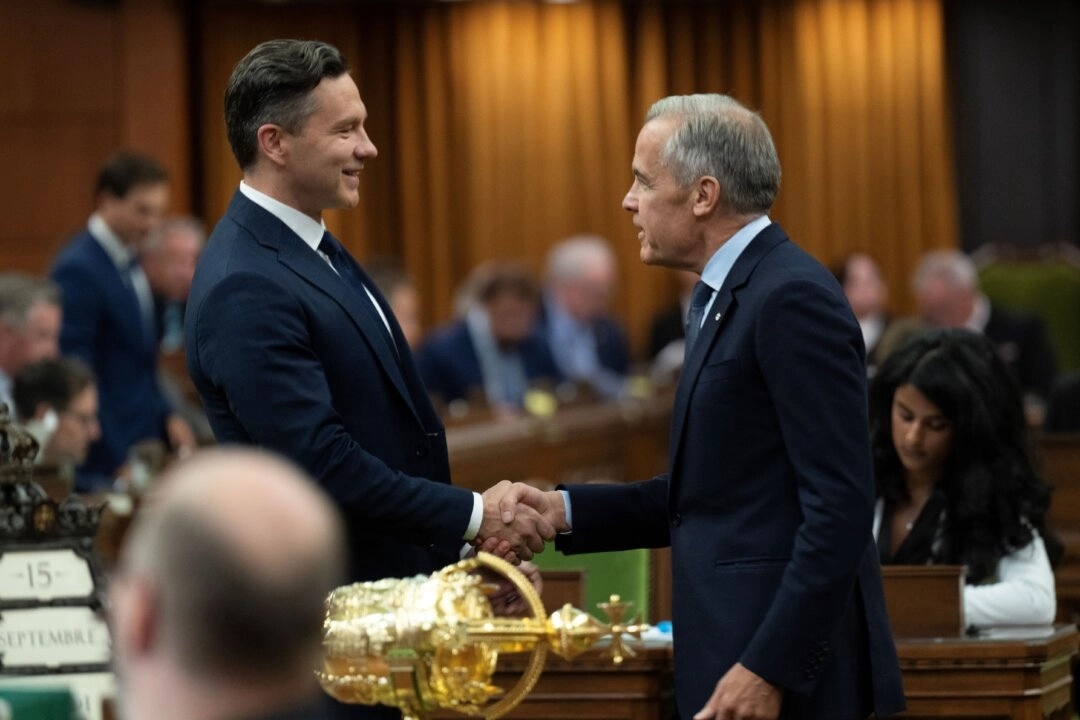
As Canada moves into 2026, political dynamics are shifting significantly. The year 2025 was marked by significant changes in leadership, particularly in Ottawa, and these shifts are expected to continue influencing the Canadian political landscape. Prime Minister Justin Trudeau’s resignation, triggered by diminishing support for the Liberal Party and polling suggesting a potential Conservative majority, set the stage for a year of political turbulence. Fast forward to late 2025, and the Liberal government has gained momentum, with two Conservative MPs defecting to join their ranks, bringing the Liberals just one seat shy of a majority.
Looking ahead to 2026, much remains uncertain. Conservative Leader Pierre Poilievre faces a leadership review in late January, and there’s speculation about whether more Conservative MPs will cross the floor to join the Liberals. Will the Liberals be able to secure a majority, or will internal divisions among former Trudeau ministers further destabilize their position? Meanwhile, the New Democratic Party (NDP), with its seven seats, still holds significant sway in key votes, and the election of a new leader in March could impact the party’s future strategy.
Here’s a detailed look at the key political developments in Canada that are set to unfold in 2026.
The Liberals: Poaching Conservative MPs and Potential Departures
The Liberal Party, led by Prime Minister Mark Carney, has seen a boost in recent months thanks to defections from the Conservative Party. These defections, which include MPs like Michael Ma and Chris d’Entremont, have allowed the Liberals to build momentum. With the Tories struggling internally, Carney has used these defections to position the Liberals as a party that offers a more inclusive and cooperative approach to governance.
However, the situation within the Liberal Party is far from stable. The departure of former ministers such as Steven Guilbeault, who resigned from his cabinet position over disagreements with Carney’s climate policy, shows that not all within the party are fully aligned with the current leadership. Additionally, rumors abound about other former Trudeau-era ministers being considered for diplomatic postings in Europe, further fueling speculation about potential departures. Ministers like Bill Blair and Jonathan Wilkinson have kept a low profile since the 2025 election, with some sources suggesting they may be appointed to diplomatic roles soon. The shifting political landscape within the Liberal Party could impact their standing as they try to solidify their grip on power.
Another challenge for the Liberals is the potential departure of Chrystia Freeland, who lost the Liberal leadership race in March 2025 and has since taken on special assignments. While Freeland has not officially resigned from her seat, her recent move to the United Kingdom to take on a new role with the Rhodes Trust could indicate an impending exit. Her departure, along with other potential resignations, could weaken the Liberal Party’s standing in the House of Commons, although their ridings are considered safe.
As the Liberals attempt to hold onto power, it remains to be seen whether they can secure a majority through further defections or whether they will be forced into a snap election. With Conservative discontent growing, the next few months will be crucial in determining the future direction of the party.
Conservative Party: Poilievre’s Leadership and Growing Challenges
Conservative Leader Pierre Poilievre is facing a critical moment in his leadership, with a national convention scheduled for January 2026 that will include a leadership review. Poilievre, despite a strong popular vote and seat gains in the 2025 election, has faced mounting pressure due to defections from his party and his inability to secure a victory in the general election. The defection of MPs such as Chris d’Entremont and Michael Ma to the Liberals is a blow to Poilievre’s leadership, as it signals growing dissatisfaction within his party ranks.
Poilievre’s leadership review will be a major event in Canadian politics, as it could determine the future of the Conservative Party. Early polling suggests that Poilievre still enjoys substantial support among party members, with 58% of Conservatives backing his leadership, compared to 26% who believe he should be replaced. However, defections and internal frustrations have led to a sense of uncertainty about the party’s direction. The leadership review will provide a clear indication of Poilievre’s standing within the party, and it remains to be seen whether the defections will continue in 2026.
The Conservatives are likely to continue focusing on affordability in the upcoming year, particularly the rising cost of groceries, which has been a major issue for many Canadians. Poilievre has repeatedly criticized the government for what he calls “hidden Liberal taxes on food” and has pushed for action to address food inflation. Additionally, criminal justice reform is expected to be a priority for the Conservatives, with several bills related to justice moving through the House of Commons. Poilievre’s criticism of the Liberal government’s approach to crime and justice policy is expected to remain a central theme in the party’s strategy.
The NDP: A New Leader and a Changing Strategy
The NDP, which has faced significant setbacks in recent elections, finds itself at a crossroads as it heads into 2026. Following the resignation of former NDP Leader Jagmeet Singh after the party lost official status in the 2025 election, interim leader Don Davies has taken the reins. The NDP’s performance in the election, where they dropped from 24 seats to just seven, has significantly diminished their influence in the House of Commons, and their role in key votes has been limited.
Despite these challenges, the NDP’s seven seats remain crucial in confidence votes, as evidenced by their role in helping to pass the federal budget in November 2025. While two of the NDP MPs abstained from voting, the party’s support was key to ensuring the government’s survival. In 2026, the NDP’s influence could increase if they play a pivotal role in future confidence votes, particularly if the Liberals fail to secure a majority through defections.
The NDP is also in the midst of a leadership race, with five candidates vying for the top position: Edmonton-area MP Heather McPherson, filmmaker and activist Avi Lewis, union leader Rob Ashton, B.C. city councillor Tanille Johnston, and farmer Tony McQuail. The leadership race is set to conclude in March 2026, and the outcome could have significant implications for the party’s strategy going forward. The NDP’s ability to present a unified and strong voice in Parliament will be crucial if they hope to regain relevance in the political landscape.
Bloc Québécois: Focusing on Quebec’s Interests
The Bloc Québécois, led by Yves-François Blanchet, is focused on advancing Quebec’s interests in the federal government. The party has been vocal in opposing the Liberal government’s stance on various issues, including the use of the notwithstanding clause in the Canadian Constitution. The Bloc has also been critical of the federal government’s handling of the 2025 budget, particularly its failure to meet the party’s demands for increased health and infrastructure transfers to the provinces.
Blanchet has suggested that the Liberals may face a significant challenge in surviving until the fall of 2026, with the Bloc likely to continue pressing for greater provincial autonomy and support for Quebec-specific issues. The Bloc’s influence will remain significant, especially as the party prepares for a provincial election in Quebec, where the Parti Québécois is currently leading the polls. The outcome of this election could influence the Bloc’s approach to federal politics and its stance on the Liberal government’s policies.
What to Expect in 2026: Key Shifts in Canadian Politics
Looking ahead to 2026, Canada’s political landscape will likely experience further shifts as parties jockey for position and public support. The Liberal government, despite recent defections, will be looking to secure a majority and strengthen its hold on power. However, internal divisions and potential departures of former Trudeau-era ministers could weaken their position. The outcome of the Conservative leadership review will also be a key moment in determining the direction of the opposition, while the NDP’s leadership race and its role in key votes could affect the balance of power in the House of Commons.
As political tensions rise, 2026 will be a year of significant change and potential political shakeups. Canada’s political parties will have to adapt to shifting public sentiment and internal challenges as they prepare for the challenges ahead.