The escalating frequency and intensity of wildfire events pose a significant challenge to communities, ecosystems, and economies across Canada. Once primarily confined to specific regions and seasons, wildfires are now a growing concern nationwide, amplified by changing climate patterns and human activities. Comprehending the nature of wildfire risks, their underlying causes, and the strategies for mitigation and adaptation is crucial for residents and authorities alike. This article delves into the complexities of wildfires in Canada, offering essential insights into prevention, impact, and preparedness.
The Growing Threat of Wildfire in Canada
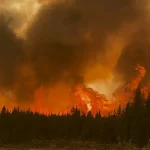
Canada’s vast forested landscapes, extending from coast to coast to coast, are inherently susceptible to wildfire. However, recent years have seen unprecedented fire seasons, leading to widespread evacuations, air quality advisories, and significant ecological damage. This trend underscores a critical need for enhanced awareness and proactive measures.
Natural and Human Causes
While lightning strikes are a natural and common ignition source for wildfire, human activities account for a substantial percentage of fires. These include:
- Human Caused: Campfires left unattended, discarded cigarettes, sparks from machinery, agricultural burning, and even arson are significant contributors. The proximity of human development to forested areas, often referred to as the Wildland-Urban Interface (WUI), increases the risk of human-caused ignitions and the potential for greater impact.
- Natural Causes: Lightning remains a primary natural cause, particularly in remote areas, and can lead to multiple simultaneous ignitions, overwhelming response resources.
Understanding these origins is foundational to developing effective wildfire prevention strategies across the country.
The Role of Climate Change
Climate change is undeniably exacerbating wildfire risks in Canada. Warmer temperatures lead to earlier spring thaws, prolonged dry spells, and increased evaporation, creating more volatile fuel conditions in forests. The frequency and intensity of extreme weather events, such as heatwaves and droughts, further heighten the likelihood of fire ignition and rapid spread. These changing climatic conditions are creating a longer and more intense wildfire season, demanding new approaches to management.
Impacts of Wildfire on Canadian Communities and Ecosystems
The consequences of a wildfire extend far beyond the immediate burning area, affecting human health, infrastructure, and the natural environment in profound ways.
Environmental Devastation
Wildfires directly impact ecosystems, leading to:
- Habitat Loss: Destroying homes for countless species of plants and animals.
- Soil Erosion: Post-fire landscapes are vulnerable to erosion, leading to sedimentation in waterways.
- Air Quality Degradation: Smoke plumes can travel thousands of kilometers, causing severe air pollution and respiratory issues for populations far from the fire front. This widespread impact underscores the regional and national scope of wildfire events.
- Carbon Emissions: Large wildfires release vast amounts of stored carbon into the atmosphere, contributing to climate change, creating a feedback loop.
Socio-Economic Consequences
For human communities, the impacts of wildfire are immediate and severe:
- Evacuations and Displacement: Forcing residents to leave their homes, often for extended periods.
- Infrastructure Damage: Destroying homes, businesses, power lines, and transportation routes.
- Economic Losses: Disrupting industries, tourism, and local economies.
- Mental Health Impacts: The trauma of displacement, loss, and uncertainty can have lasting psychological effects on individuals and communities.
The cumulative effect of these impacts highlights the urgent need for comprehensive wildfire mitigation and adaptation plans.
Wildfire Prevention and Preparedness Strategies
Effective wildfire management in Canada requires a multi-faceted approach, combining prevention, preparedness, response, and recovery efforts.
Fuel Management and FireSmart Principles
Reducing the amount of flammable material around homes and communities is critical. FireSmart Canada provides excellent resources and guidelines for homeowners and communities on how to create a “FireSmart” property. Key principles include:
- Zone 1 (0-1.5 meters from home): Use non-combustible materials, remove all combustible debris.
- Zone 2 (1.5-10 meters): Reduce continuous vegetation, thin out trees, prune lower branches.
- Zone 3 (10-30 meters): Maintain a healthy, well-spaced forest with reduced undergrowth.
Implementing these practices significantly reduces the risk of home ignition during a wildfire. You can find detailed information and resources on the FireSmart Canada website.
Emergency Preparedness for Residents
Being prepared is crucial for individuals and families in wildfire-prone areas:
- Emergency Kit: Have a kit with food, water, first aid, medications, and important documents.
- Evacuation Plan: Know your routes and designated meeting places.
- Stay Informed: Monitor local news and official alerts for wildfire updates.
- Defensible Space: Create and maintain a defensible space around your home as per FireSmart guidelines.
- Emergency Contact List: Keep a list of important contacts readily accessible.
Proactive planning can make a significant difference in ensuring safety during a wildfire event. For broader emergency preparedness, refer to the Government of Canada’s Get Prepared resources.
Government and Community Initiatives
Governments at all levels, along with Indigenous communities and non-profit organizations, are working to address wildfire risks through:
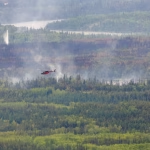
- Early Detection Systems: Using satellites, drones, and lookouts to spot fires quickly.
- Improved Response Capabilities: Investing in aerial suppression, ground crews, and inter-agency coordination.
- Community Engagement: Running public awareness campaigns and supporting FireSmart programs.
- Research and Development: Enhancing understanding of fire behavior and developing new technologies for detection and suppression.
These collective efforts are vital in strengthening Canada’s resilience to wildfire.
The Future of Wildfire Management in Canada
As climate change continues to influence wildfire patterns, Canada faces the ongoing challenge of adapting its strategies. This will involve continued investment in research, proactive land management, and fostering a culture of preparedness among all citizens. The focus is shifting from simply suppressing fires to managing landscapes in a way that promotes ecological health while protecting communities. Long-term planning, including prescribed burns and forest thinning, will play a crucial role in mitigating the impact of future wildfire seasons.
In conclusion, while wildfire is a natural part of many Canadian ecosystems, the current trends demand heightened vigilance and concerted action. By understanding the risks, implementing prevention strategies, and preparing for emergencies, individuals and communities can significantly reduce their vulnerability and contribute to a safer, more resilient Canada in the face of this growing threat.
Other News: Navigating Canadian Politics: A Citizen’s Guide