Keystone XL Pipeline Revival Back on the Agenda
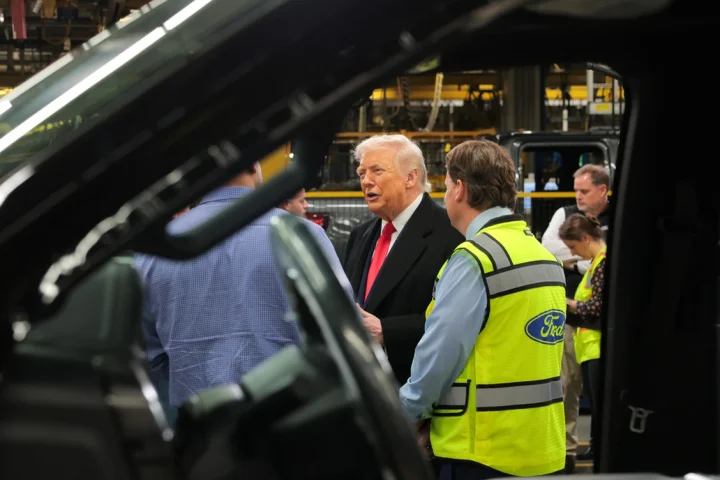
The Keystone XL pipeline revival may be closer than expected after Canadian Prime Minister Mark Carney and U.S. President Donald Trump discussed the long-stalled project during a meeting in Washington. Sources told the BBC that Carney raised the idea in talks about U.S. tariffs on Canadian steel and aluminum, and Trump appeared open to reconsidering the project.
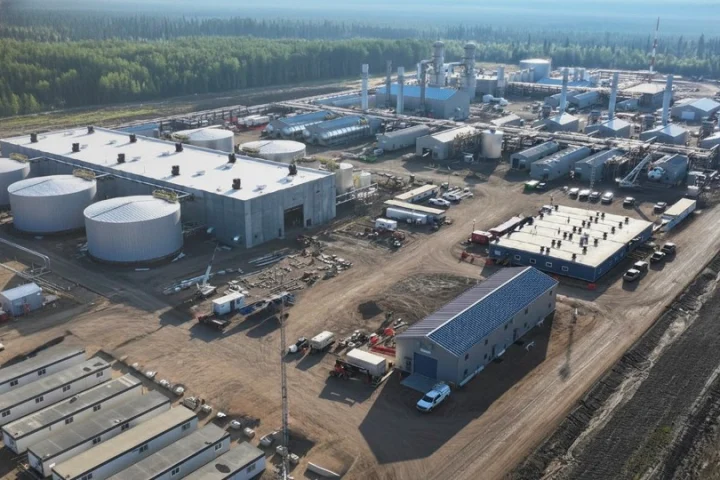
The 1,179-mile (1,897 km) pipeline would have carried up to 830,000 barrels of crude oil per day from Alberta’s oil sands to Nebraska, where it would connect with existing infrastructure. Although approved in 2010, the project was blocked by both the Obama and Biden administrations due to environmental concerns. It was later revived under Trump, only to be cancelled again by Biden on his first day in office.
Carney’s team described the meeting as a “working visit” focused on trade and defense, identifying “opportunities for material progress” in key industries like steel, aluminum, and energy. While his statement did not directly mention the pipeline, multiple insiders confirmed that it was a topic of discussion and that both governments have instructed teams to explore options.
Energy, Trade, and Political Reactions
The prospect of a Keystone XL pipeline revival has sparked strong reactions across Canada. Alberta Premier Danielle Smith welcomed the news, calling it a “positive sign” for North American energy integration. She emphasized that Canada should aim to sell more oil to the U.S., not less, and framed the talks as part of a “broader renegotiation” of the USMCA trade agreement.
However, the idea faces opposition from environmental groups and provincial leaders. British Columbia Premier David Eby dismissed new pipeline proposals as “fictional,” citing environmental risks. Bloc Québécois leader Yves-François Blanchet also condemned the revival, saying it would “destroy the environment of the whole planet.”
Industry and Economic Implications
Calgary-based TC Energy, the company behind the original pipeline, spun off its oil pipeline division into South Bow after the project’s cancellation. South Bow said it has “moved on” but supports efforts to expand crude transport capacity. Billions were lost in the project’s collapse, including C$1.5 billion invested by the Alberta government.
Still, with renewed U.S. interest, the Keystone XL pipeline revival could once again become a key topic in North American energy diplomacy. As discussions continue, both nations are balancing economic opportunity against environmental and political realities.