Trump Targets TV Networks After Kimmel’s Suspension
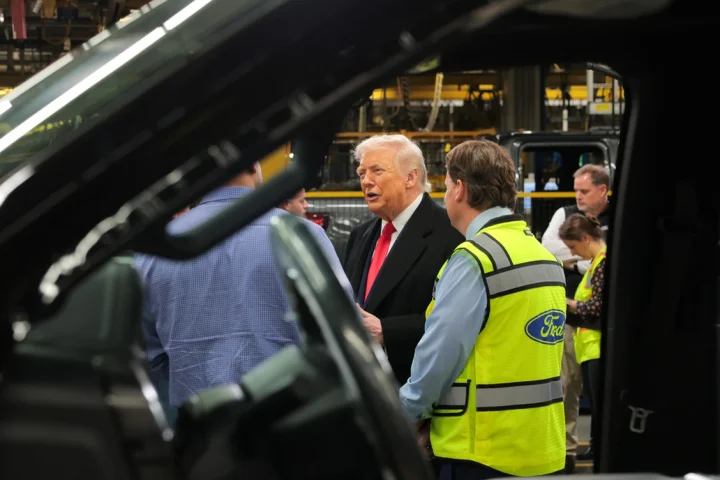
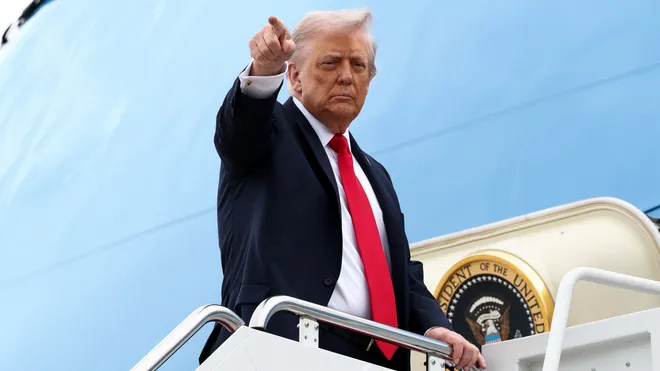
US President Donald Trump has raised the stakes in his ongoing conflict with TV networks, suggesting that some should have their broadcasting licenses revoked after ABC suspended late-night host Jimmy Kimmel. This follows Kimmel’s controversial comments about the murder of political figure Charlie Kirk, which Trump deemed offensive.
During the aftermath of the murder, Kimmel criticized Trump’s supporters, calling them out for attempting to downplay the attack and score political points. Trump’s response was swift, calling Kimmel’s remarks inappropriate and suggesting that the networks who aired them should face regulatory action.
Suspension Sparks Debate Over Free Speech
Kimmel’s suspension, prompted by the threat of action from the Federal Communications Commission (FCC), has sparked widespread concern. Critics argue that this is an attempt to stifle free speech, with some likening it to tactics used by authoritarian regimes. In a rare move, other talk show hosts, including Stephen Colbert and Jon Stewart, defended Kimmel, condemning the suspension as a violation of free speech.
While the Trump administration claims this is a response to Kimmel’s “inappropriate” comments, many argue it reflects a broader attempt to control media narratives. Critics also argue that Trump’s calls for media censorship undermine American principles of free speech.
The Response and Future Implications
Legal experts suggest that Trump’s call for media outlets to lose their licenses conflicts with the US Constitution’s First Amendment, which protects free speech. However, FCC Chair Brendan Carr has expressed support for greater regulation of networks like ABC, raising concerns about the direction in which the government is heading.
While the Trump administration’s stance may not immediately change the landscape of media regulation, the debate over free speech and censorship is only intensifying.